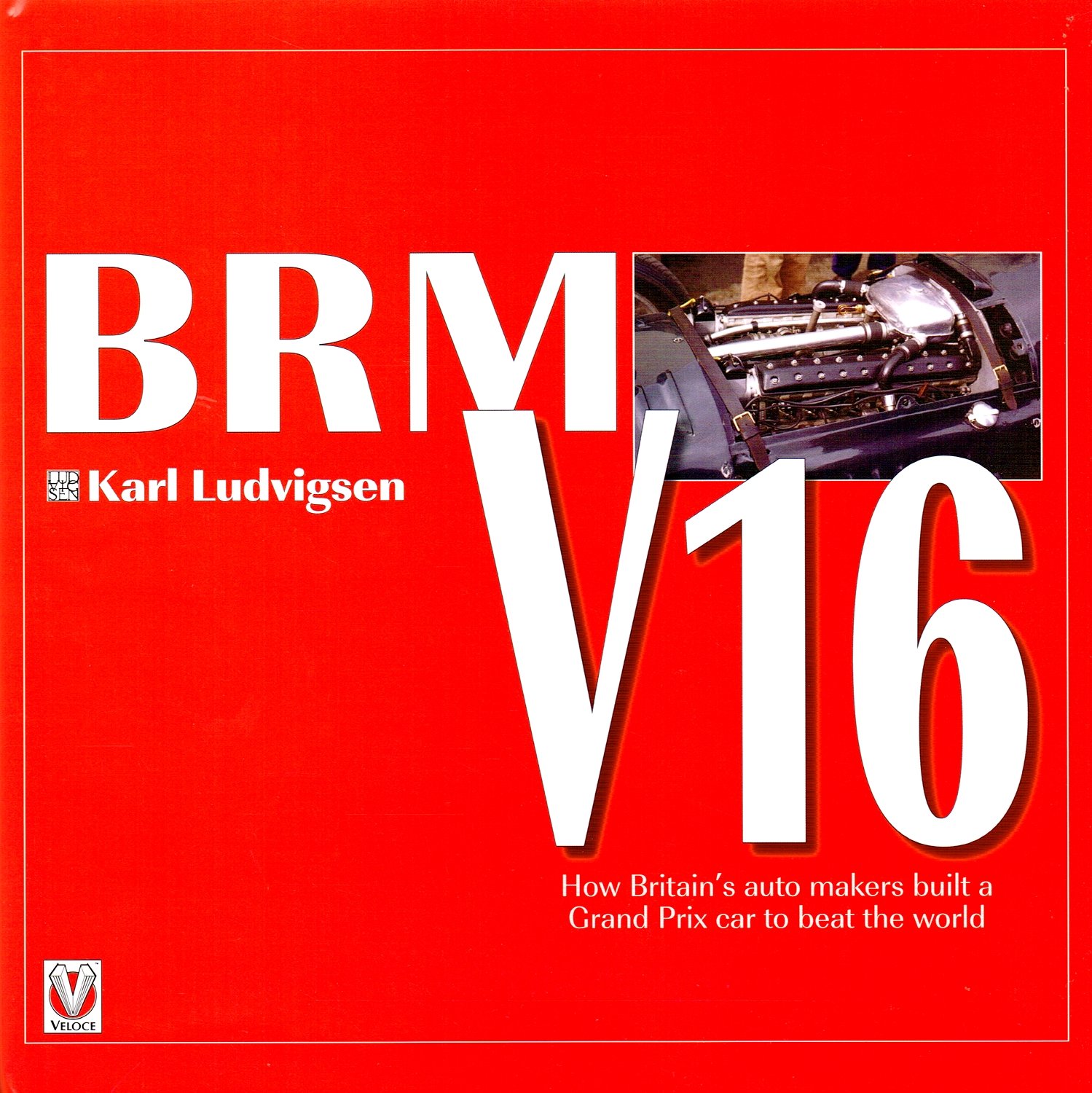
BRM V16: How Britain's auto makers built a Grand Prix car to beat the world
$93.71
| Brand | Anthony Pritchard |
| Merchant | Amazon |
| Category | Books |
| Availability | In Stock |
| SKU | 1845840372 |
| Age Group | ADULT |
| Condition | NEW |
| Gender | UNISEX |
| Google Product Category | Media > Books |
| Product Type | Books > Subjects > Sports & Outdoors > Miscellaneous > Motor Sports |
About this item
BRM V16: How Britain's auto makers built a Grand Prix car to beat the world
Few cars of any kind have a more exotic and exciting reputation among enthusiasts than the first BRM, a 16-cylinder wonder machine that was a bright beacon of promise in Britain’s drab post-war years. Heralded as a certain race winner and backed by the nation’s motor industry, exploiting the seized secrets of the 1930s Germans, the British Racing Motor bid fair to put the UK at the top of the Grand Prix tree. It did come good--producing more than 500 horsepower--but only after the Formula 1 for which it was built had expired. From the files of the Ludvigsen Library come more than 80 rare photos of the BRM, one of the handsomest, indeed sexiest, racing cars of all time. Related articles and ephemera round out the story of a bold but ultimately misguided British venture that delivered too much too late. Road & Track, November 2007 - US magazine Here is an in-depth, fascinating account of the fabled BRM V16, the first post-war Grand Prix car conceived and created in Great Britain. Criticized for being overambitious and under-financed, the BRM V16 was the product of an effort led by Raymond Mays to harness the technical strength of British industry and bring to Grand Prix racing a car on par with the world-dominating Silver Arrows from Mercedes-Benz and Auto Union of the late 1930s. Author Karl Ludvigsen, renowned automotive journalist, introduces all the key players in the saga, providing quotes that give contemporary insights to the challenges of financing the enterprise and the determination to keep such a daunting undertaking moving forward. Detailed mechanical drawings and an assortment of photos help the narrative. As you read about this Herculean effort to produce a car to represent British post-war prestige, it is easy to get caught up in the story, hoping that in some way the car would fight on equal terms with the Alfettas that were dominating the modern Grand Prix era. But as history plays out, you can see why the fantastic BRM V16 ultimately arrived too late to prove its potential and attain its goals. VSCC Bulletin, Summer 2008 The magazine for the Vintage Sports Car Club , UK This book was published about 18 months ago and initially evaded a Bulletin review. Karl Ludvigsen has written a most readable and detailed account of the story of the legendary and perhaps notorious V-16 BRM. It is evident that its chances of success were very slim. From its inception it was "managed by committee" with wholly inadequate resources. Most of the components came from outside sources who were more interested in the need for post-war survival than the BRM project. The great Alfred Neubauer inspected in its early stages at the primitive Bourne works and told Raymond Mays that such a complex car would never succeed with the inadequate resources available. Some of the responsibility for the over-complexity may rest with Laurence Pomeroy, a past President of the Club who postulated a 1500cc V-16 design in "The Motor" in 1938. Pomeroy's views and his authoritative technical explosion influenced Peter Berthon who designed the car, which like its predecessor, the E-type EPA had many inherent design faults. By the time it appeared, the World had moved on so the car only ran in one F1 Championship race before a formula change made it obsolete. The trials and tribulations of the design, development and the racing career are recounted by Ludvigsen who recognizes the remarkable dedication of the BRM mechanics and the enthusiasm of Raymond Mays. Without that enthusiasm the project would have died in the early stages, but Mays kept BRM alive, eventually leading to the F1 Constructors' Championship in 1962. This is not a long book, but is a detailed and authoritative account of an important venture in British motor racing history. Recommended. Sports Car Market, 2008 US magazine Circ: 20,000 World War II ended in Europe in 1945, but the effects lingered in Britain long after. As motor racing returned, British Racing Motors audaciously attempted to create a world-beating car built around a 16-cylinder supercharged engine, and with it excite a nation. Led by Raymond Mays, the BRM project was funded by donations from the British public, including the boy who became author Karl Ludvigsen. While winning its first two exhibition races, the car only competed in four Grands Prix before the engine formula changed in 1954. In between, the story was of high expectations and lofty goals rarely met. Ludvigsen details the project from idea to collapse, filling the book with photos from his own library to support a well-told tale of plucky enthusiasm meeting hard racing reality. Provenance: **** Ludvigsen's attention to detail is on every page. Densely written and exhaustively researched, 'BRM V16' includes engine drawings, images, and a lively sense of the time and people who took on the daunting challenge. Fit and finish: *** Nicely reproduced photography is supported by clean design. Drivability: **** Not j
| Brand | Anthony Pritchard |
| Merchant | Amazon |
| Category | Books |
| Availability | In Stock |
| SKU | 1845840372 |
| Age Group | ADULT |
| Condition | NEW |
| Gender | UNISEX |
| Google Product Category | Media > Books |
| Product Type | Books > Subjects > Sports & Outdoors > Miscellaneous > Motor Sports |
Similar Products







Compare with similar items

There's No Place Like Nome... |

My Time with Wine: 5.5x8.5 Hard Cover Jo... |

Katabasis... |
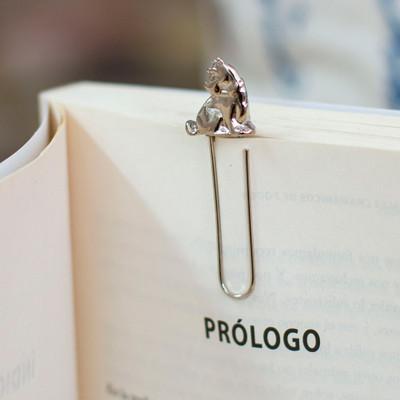
Loyal Shine,'High-Polished Dog-Shaped Za... |
|
|---|---|---|---|---|
| Price | $13.95 | $13.98 | $31.99 | $14.99 |
| Brand | Artis Palmer | SKA Publishing | Kai Durvas | NOVICA |
| Merchant | Amazon | Amazon | Amazon | NOVICA.com |
| Availability | In Stock | In Stock | In Stock | In Stock |