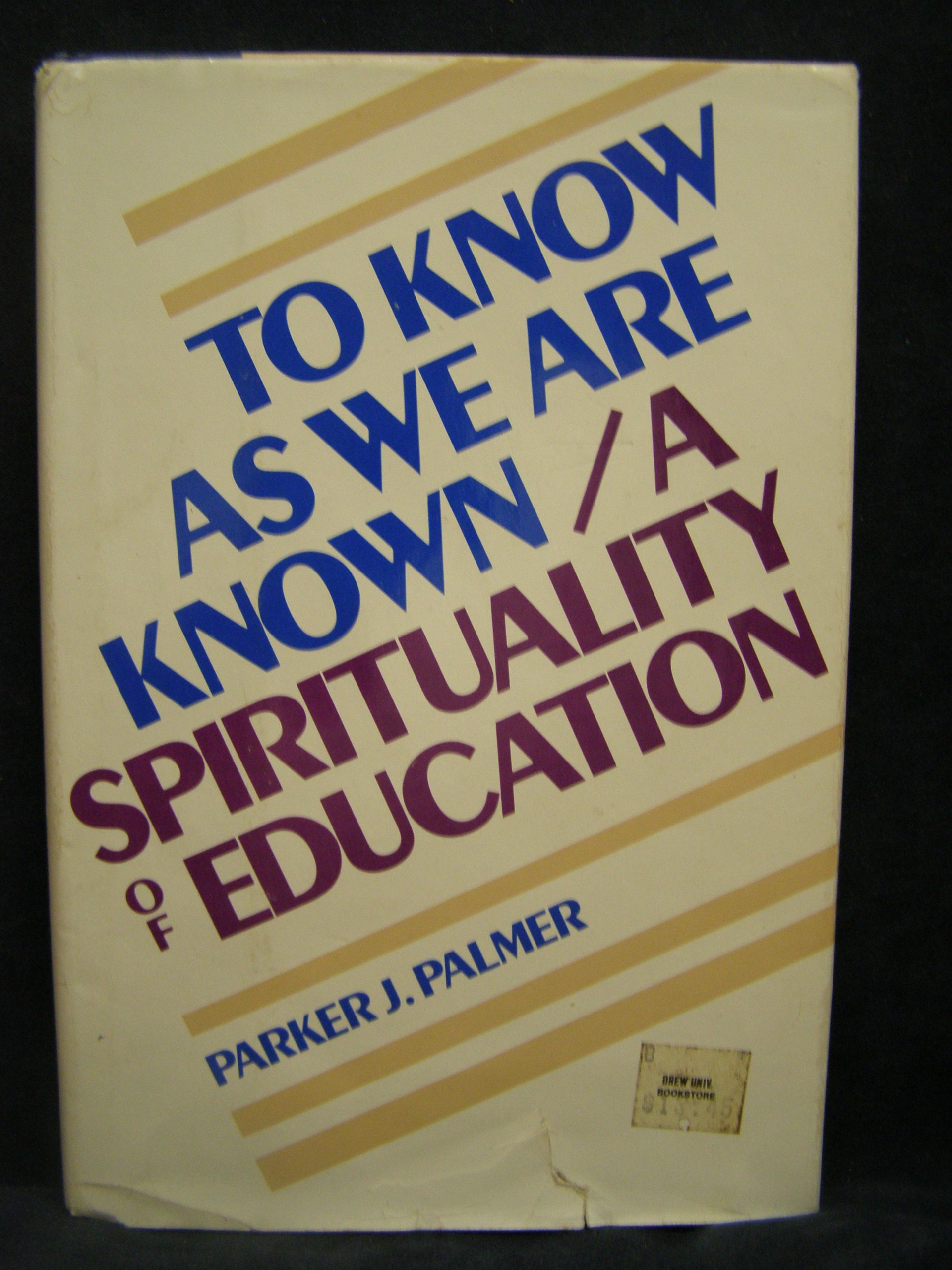
To Know As We Are Known: A Spirituality of Education
$48.69
| Brand | Parker J Palmer |
| Merchant | Amazon |
| Category | Books |
| Availability | In Stock Scarce |
| SKU | 0060664568 |
| Age Group | ADULT |
| Condition | NEW |
| Gender | UNISEX |
| Google Product Category | Media > Books |
| Product Type | Books > Subjects |
About this item
To Know As We Are Known: A Spirituality of Education
This primer on authentic education explores how mind and heart can work together in the learning process. Moving beyond the bankruptcy of our current model of education, Parker Palmer finds the soul of education through a lifelong cultivation of the wisdom each of us possesses and can share to benefit others. Parker J. Palmer, a popular speaker and educator, is also the author of The Active Life. He received the 1993 award for "Outstanding Service to Higher Education" from the Council of Independent Colleges. Chapter One Knowing Is Loving The Violence of Our Knowledge I have felt it myself. The glitter of nuclear weapons. It is irresistible if you come to them as a scientist. To feel it's there in your hands--to release the energy that fuels the stars. To let it do your bidding. To perform these miracles--to lift a million tons of rock into the sky. It is something that gives people an illusion of illimitable power and it is, in some ways, responsible for all our troubles, I would say--this what you might call technical arrogance that overcomes people when they see what they can do with their minds.1 These words were spoken by a celebrated physicist in The Day after Trinity, a film documentary about the team of American scientists who produced the first atomic bomb. "Trinity" was the ironic code name for that original explosion, and only on "the day after" did the scientists stop to analyze and agonize over the outcomes of their work. The film is filled with images of horror. For me, the most horrifying is not that mushroom shape that appears in our dreams and lurks just over our waking horizon. Instead, it is the image of intelligent and educated people--the most intelligent and the best educated our society has produced-devoting themselves so enthusiastically to such demonic ends. They appear in the film as people possessed by a power beyond their control-not the power of the government that summoned their services, but the power of their knowledge itself. One scientist interviewed in the film reveals that "prior to the shot, back in the lab, there had been some speculation that it might be possible to explode the atmosphere--in which case the world disappears."2 But the "experiment" went on as scheduled, the irresistible outcome of the knowledge that made it possible. Watching this film, reliving that history, I saw how our knowledge can carry us toward ends we want to renounce--but we renounce them only on "the day after." I understood then what Jonathan Schell says in The Fate of the Earth: "It is fundamental to the shape and character of the nuclear predicament that its origins lie in scientific knowledge rather than in social circumstances."3 I understood, too, what Robert Oppenheimer meant in his post-Hiroshima pronouncement, "The physicists have known sin." We need images of hope to counteract our horror, knowledge of grace to counteract our knowledge of sin. That is what I want to offer in this book by describing a way of knowing and educating that might heal rather than wound us and our world. But in my spiritual life I have learned that hope and grace do not come cheap. They require honest self-scrutiny first, and then confession, an offering up of our own inner darkness to the source of forgiveness and transformation. I am not a nuclear physicist, and I have never participated in a project with such vast implications as "Trinity," but I identify with those scientists. Their story is my story too, and when I am tempted to sit in judgment on them I am only evading the judgment that falls upon me. I value their confession of sin on a large scale because it helps me make my own confession of smaller but similar sins. For all the differences between those scientists and me, we have one thing in common. We are well-educated people who have been schooled in a way of knowing that treats the world as an object to be dissected and manipulated, a way of knowing that gives us power over the world. With those scientists I have succumbed to the arrogance that comes when we see what our minds can do. The outcomes of my arrogance have been less than world-shaking because my powers are small. But in my own way I have used my knowledge to rearrange the world to satisfy my drive for power, distorting and deranging life rather than loving it for the gift it is. In my late twenties, still impressed by what I could do with my mind, I wrote a book about how we know the world around us. (By grace, that book was never published--not, I suspect, because it was wrongheaded, but because my wrongheadedness was not packaged well enough to sell.) The themes of that book' may sound distant and abstract, but bear with me for a moment: I want to show how they shaped the way one educated person used his knowledge and lived his life. In that book I argued that knowledge emerges as we impose a mental order on the chaos that surrounds us. The world, I said, presents itself to us as nothing more than a welter of s
| Brand | Parker J Palmer |
| Merchant | Amazon |
| Category | Books |
| Availability | In Stock Scarce |
| SKU | 0060664568 |
| Age Group | ADULT |
| Condition | NEW |
| Gender | UNISEX |
| Google Product Category | Media > Books |
| Product Type | Books > Subjects |
Similar Products








Compare with similar items
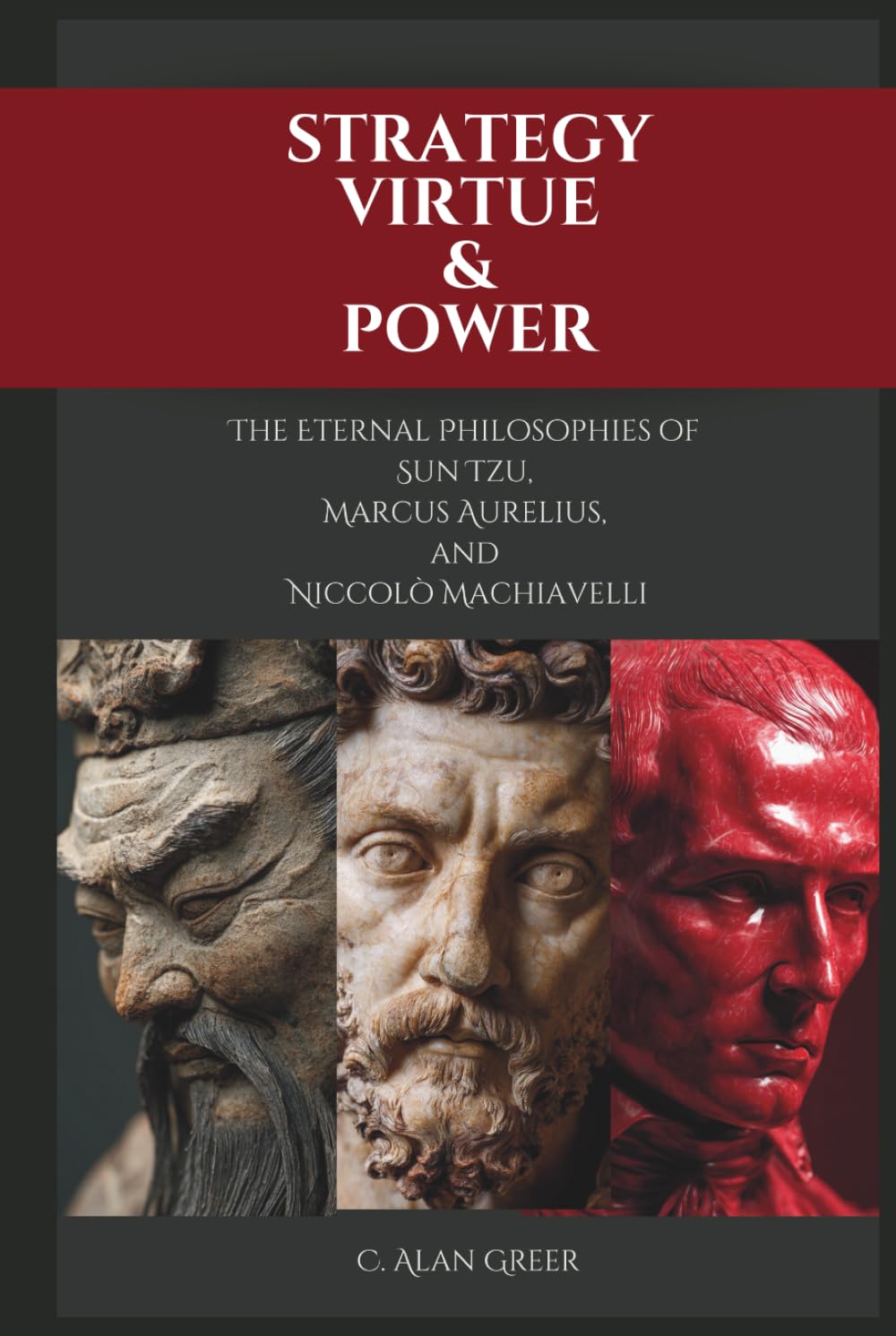
Strategy, Virtue, & Power: The Eternal P... |

DEFINING THE KENYA WE WANT... |

MISSOURI DOR HANDBOOK 2026/2027: Complet... |

Davidoff Nicaragua... |
|
|---|---|---|---|---|
| Price | $29.99 | $21.00 | $18.99 | $295.20 |
| Brand | C. Alan Greer | Mr Samuel Ngugi karanja | MICHEAL G. HOTKINS | Davidoff |
| Merchant | Amazon | Amazon | Amazon | Cigora |
| Availability | In Stock | In Stock | In Stock | In Stock |