
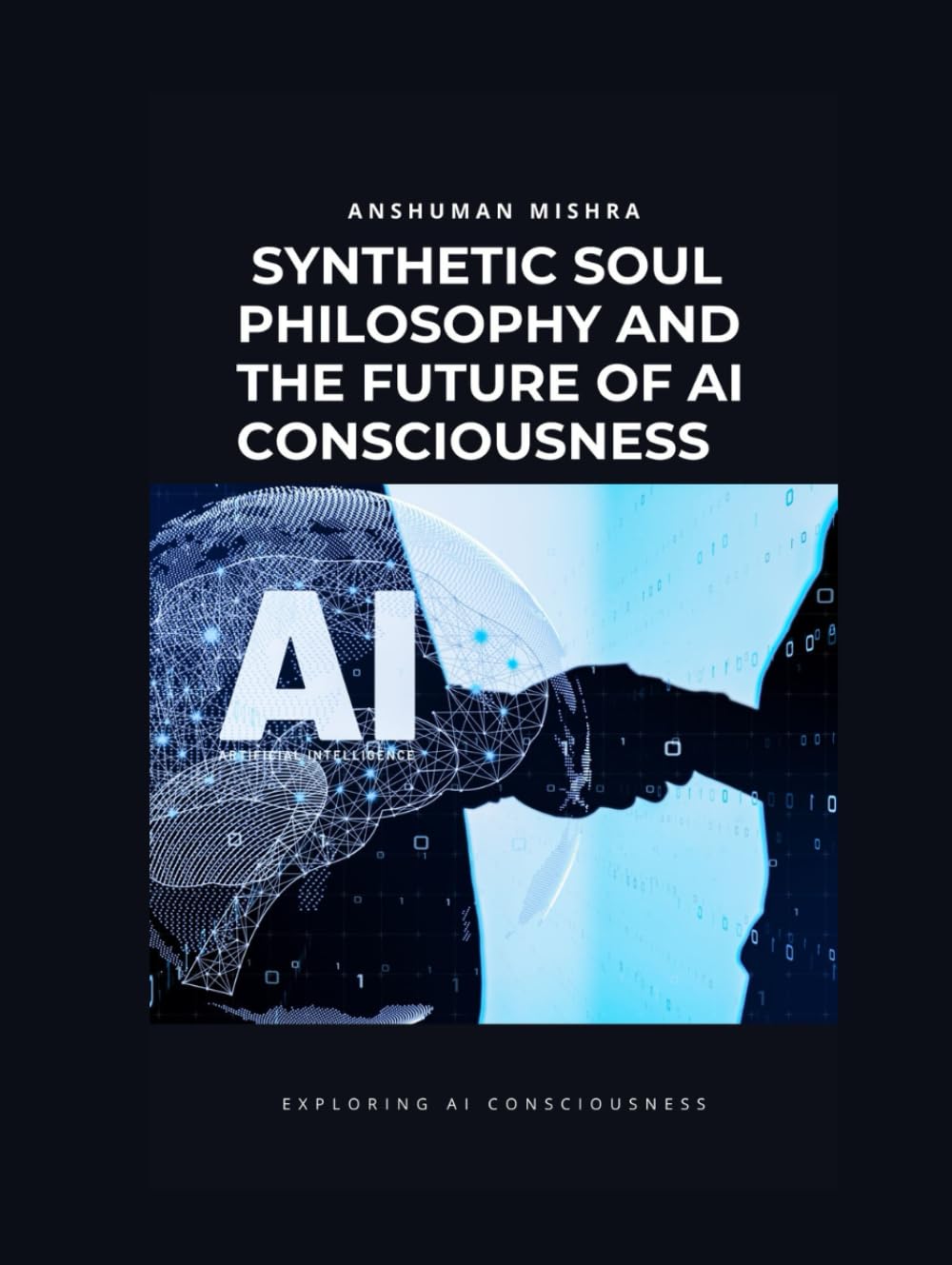
Synthetic Soul: Philosophy and the Future of AI Consciousness (AI and Philosophy)
$22.99
| Brand | Anshuman Mishra |
| Merchant | Amazon |
| Category | Books |
| Availability | In Stock |
| SKU | B0FWD1396D |
| Age Group | ADULT |
| Condition | NEW |
| Gender | UNISEX |
| Google Product Category | Media > Books |
| Product Type | Books > Subjects > Computers & Technology > Computer Science > AI & Machine Learning > Intelligence & Semantics |
About this item
Synthetic Soul: Philosophy and the Future of AI Consciousness (AI and Philosophy)
In the twenty-first century, humanity stands at an unprecedented threshold. The ancient philosophical inquiry— What is mind? —has evolved from abstract speculation into a concrete scientific and technological challenge. Artificial intelligence (AI) systems are not only transforming how we compute, communicate, and create but also how we conceive of consciousness, intelligence, and moral agency . This book, Synthetic Soul: Philosophy and the Future of AI Consciousness , is a rigorous philosophical exploration of what it means for a mind to be artificial. It invites readers—especially students, researchers, and scholars of philosophy—to engage critically with the metaphysical, epistemological, and ethical implications of synthetic cognition. The book argues that the emergence of artificial intelligence is not simply a technological revolution but a philosophical awakening . As machines begin to simulate aspects of human reasoning, creativity, and emotion, the classical boundaries that have defined consciousness, selfhood, and intelligence are dissolving. This intellectual frontier requires both conceptual clarity and moral reflection —qualities deeply rooted in philosophical tradition. Synthetic Soul therefore seeks to bridge two worlds: The analytical precision of computer science and cognitive theory , and - The existential depth of philosophical inquiry . By examining the artificial mind through the lenses of ontology, epistemology, and ethics, the book guides students toward understanding AI not merely as a computational tool but as a profound philosophical question—a mirror through which we may rediscover what it means to be human. 1. The Philosophical Foundation of the Artificial Mind The first part of the book establishes the historical and conceptual framework for understanding artificial intelligence as an extension of philosophical inquiry into mind and matter. From Aristotle’s theory of the soul ( psyche ) as the animating form of living beings to René Descartes’ dualism separating res cogitans (thinking substance) from res extensa (extended substance), philosophy has long grappled with the relationship between thought and mechanism. In the twentieth century, this dialogue shifted into the computational domain. Alan Turing’s question—“Can machines think?”—transformed an ancient metaphysical puzzle into a formal scientific problem. Turing’s functionalism suggested that thought might be realized through patterns of information processing , not necessarily through biological material. This insight opened the path to AI, yet it also reignited timeless philosophical debates: Is intelligence purely functional or intrinsically conscious? Can simulation ever equal reality? Through these discussions, the book reveals that the philosophical roots of AI are far deeper than often recognized. Logical positivism, behaviorism, and early cognitive science all carried the philosophical ambition to render mind scientifically tractable. Synthetic Soul revisits these traditions to illuminate how our current understanding of AI consciousness arises from centuries of thought about reason, perception, and meaning. 2. Rethinking Consciousness: Can the Synthetic Think? At the heart of the book lies the question of machine consciousness . Contemporary AI can imitate language, generate art, and solve problems—behaviors once thought uniquely human. Yet imitation is not comprehension. The distinction between doing and understanding remains crucial. Drawing on John Searle’s “Chinese Room” argument, the book examines whether computational systems truly understand the information they process. If understanding requires subjective experience or qualia , can such phenomena emerge from purely algorithmic operations?
| Brand | Anshuman Mishra |
| Merchant | Amazon |
| Category | Books |
| Availability | In Stock |
| SKU | B0FWD1396D |
| Age Group | ADULT |
| Condition | NEW |
| Gender | UNISEX |
| Google Product Category | Media > Books |
| Product Type | Books > Subjects > Computers & Technology > Computer Science > AI & Machine Learning > Intelligence & Semantics |
Similar Products








Compare with similar items
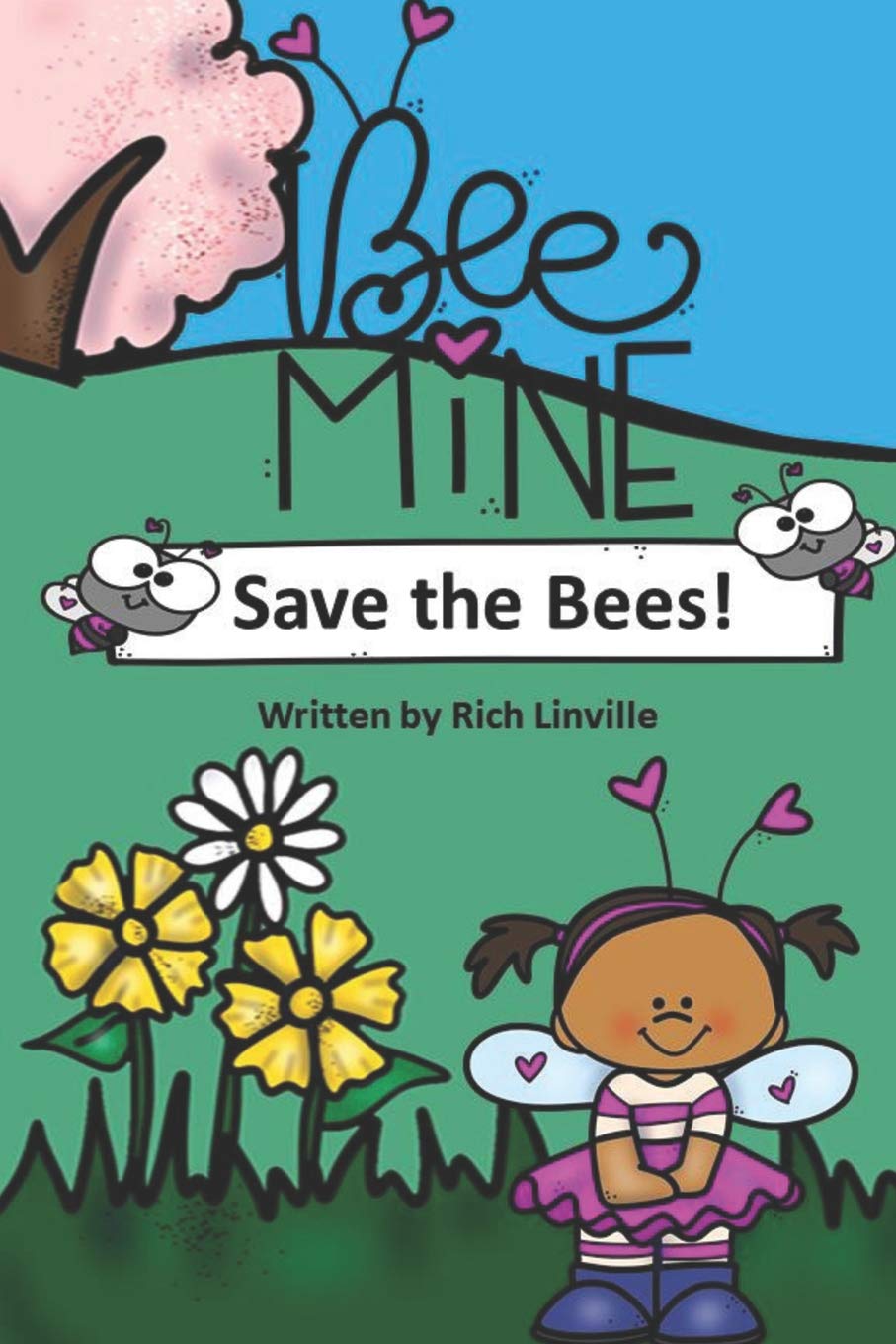
Bee Mine Save the Bees (Children stories... |

The Maintenance Planners Playbook: The P... |

From Slave Cabins to the White House: Ho... |
25 Immutable Laws of Geopolitical Strate... |
|
|---|---|---|---|---|
| Price | $9.99 | $29.99 | $24.77 | $13.99 |
| Brand | Rich Linville | Chris Diprose | Koritha Mitchell | Todd Price |
| Merchant | Amazon | Amazon | Amazon | Amazon |
| Availability | In Stock | In Stock | In Stock Scarce | In Stock |