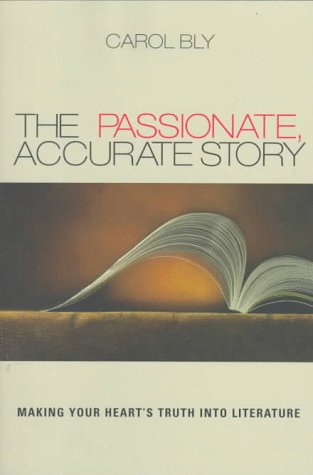
The Passionate, Accurate Story: Making Your Heart's Truth into Literature
$35.00
| Brand | Carol Bly |
| Merchant | Amazon |
| Category | Books |
| Availability | In Stock Scarce |
| SKU | 1571312196 |
| Age Group | ADULT |
| Condition | NEW |
| Gender | UNISEX |
About this item
The Passionate, Accurate Story: Making Your Heart's Truth into Literature
Provides techniques, exercises and examples for stimulating creative writing The Passionate, Accurate Story Making Your Heart's Truth Into Literature By Carol Bly Milkweed Editions Copyright © 1998 Carol Bly All right reserved. ISBN: 9781571312198 Introduction Writing Whole Literature: Writing the Good News As Well As the Psychological Dismay Jill's Wrath: How We Treat Young Writers The greatest beauty in a short story mainly floats towards usfrom its plot. That is not a fashionable idea just at themoment, but it is true. In Charles Baxter's "Scheherazade," anold woman is healing her husband. He is in the hospital, aftera stroke. She tells him tall stories which he experiences as empowering.We see what he needs: he needs to see himself asthe ever-seductive male patrolling the range of does andmares, cutting his swath, a man with no consideration of anyhuman being other than himself. His wife's stories aredesigned to reassure him that all that starry selfishness is intact.There is beauty in the language and structure, because Baxteris one of the most passionate and most subtle short-storywriters of our time?but what makes me say, "What a beautifulstory!" is Baxter's plot. This wife is not under threat ofbeing killed if she can't amuse her husband, yet she is an echoof the original Scheherazade because she sacrifices her ownpsychological health?the sense of what is fair and decent ?inorder to return her husband to his health. The story hasbeauty of plot. All beauty isn't in plot. There are two psychological disciplinesauthors exercise which make stories beautiful in toneand language: The first is the determination not to beembittered?at the same time as one avoids denial of the evilthat people do. That is very difficult. It is hard to describewretched behavior in even the tiniest corner of life withoutcynicism, perhaps because people will likely continue to behavein the bad ways. The second is using language ofconsequence, because how writer talks to reader and howcharacters talk to each other depend on psychological circumstances. Let's imagine a writer whose circumstances, from ageeight to age twenty-four, lead her again and again to write storieswhose style is either noncommittal or cynical. Jill is atwenty-four-year-old graduate student at a snappy writingworkshop. She does not write beautiful literature. Jill is not ahorrible person. Why is she deliberately writing ugliness? I pretend I am a social worker and Jill has been sent to"see someone." She is a writer, and here is her story, the storyof why Americans go out of their way to make ugly literature. Jill was born in Lawrencetown, Massachusetts, thedaughter of civilized parents who had stable notions and a safehouse. She always wanted to be a writer. She wrote her first official short story in the third grade. Itwas about the town dump, with its wheel spokes, bedsprings,moribund kittens in their gunny sack, rusting kitchen pots?allof which tell one another their stories. Dogs, cats, all domesticrefugees come to the dump and tell all the ways they havebeen cruelly used. (Jill had imagination.) When she got herstory back from the teacher, she found written on the bottom:"Jill, we have been studying sentences now for two years. Youknow perfectly well that a sentence begins with a capital letterand you need a period at the end." What Jill learned from that comment was that psychologicalcontent in literature does not count. What counts ismechanics. Maybe that's right! her half-conscious mind says.After all, whenever you try to tell your stories at home, yourmother says, "Boy, do kids have imagination!" to your dad.Both of them, mysteriously, in the next second, notice thatyou have tracked in mud, too. When Jill was in fifth grade, she wrote another story forher English class. Unfortunately her school had not elected toget in a poet or storyteller from the Writers-in-the-Schoolsmovement. Her new story was about parents who were rudeto their children?gratuitously rude. For interesting insights onparental rudeness to children, see Alice Miller's work, especially For Your Own Good . Jill's parents were forever adjuringher to behave, but they were rude. This story came back withthe comment that Jill's spelling was improved: the teacher hadeven drawn a smiling face at the bottom, with radiating linescoming out from it, indicating, I think, sunshine. In the seventh grade, Jill happened to get an Englishteacher who herself did not read through any of the papersregarded as "creative writing" since creative writing was humanitiesfluff. So Jill's third try at a story about rude parents was channelledlike lock water into the peer-criticism pond. The peers,Jill's classmates, had now spent five years or more being toldto respect mechanics more than content, mechanics more thancontent, mechanics more than content. It never crossed any oftheir minds to remark on anything more inner in Jill's workthan
| Brand | Carol Bly |
| Merchant | Amazon |
| Category | Books |
| Availability | In Stock Scarce |
| SKU | 1571312196 |
| Age Group | ADULT |
| Condition | NEW |
| Gender | UNISEX |
Similar Products








Compare with similar items
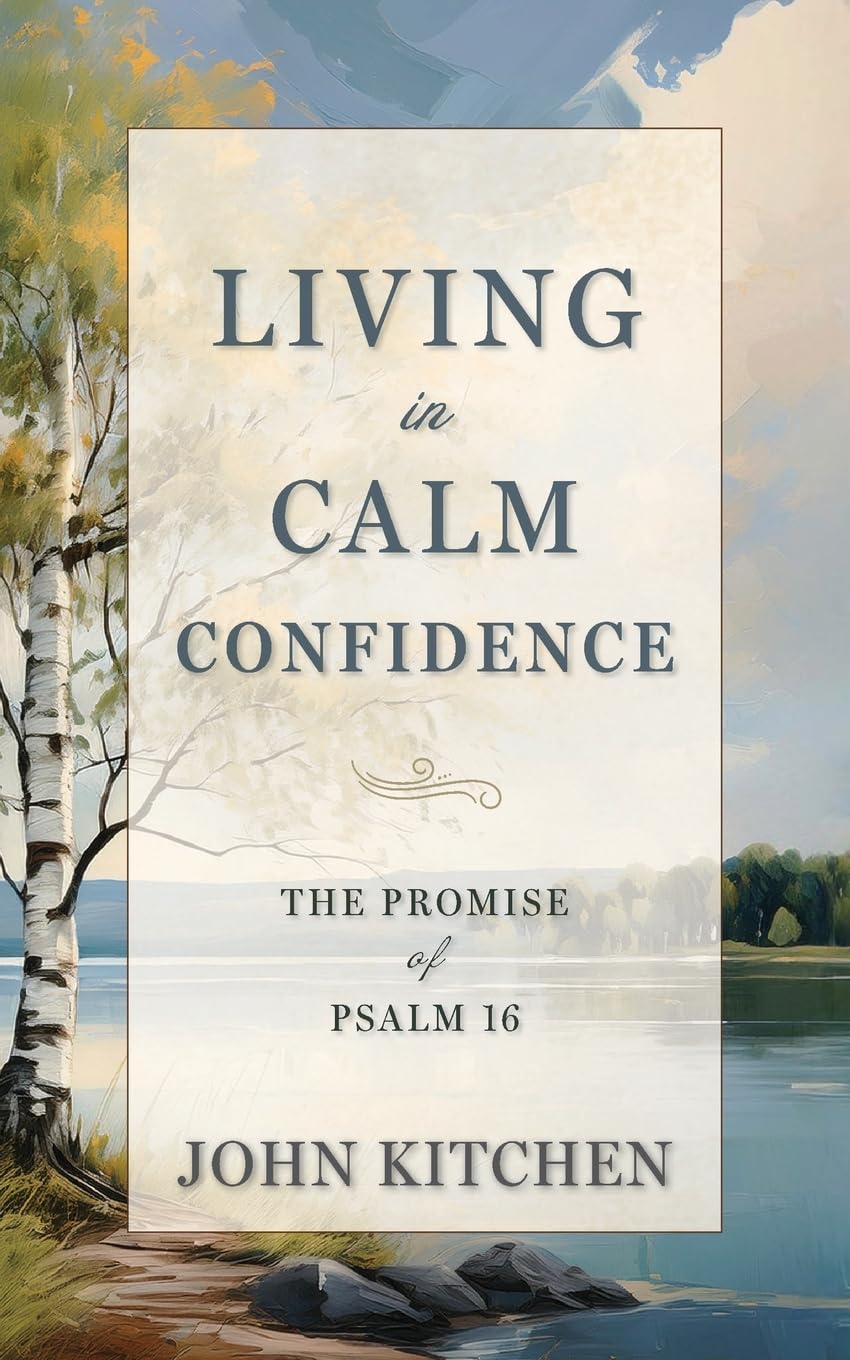
Living in Calm Confidence: The Promise o... |
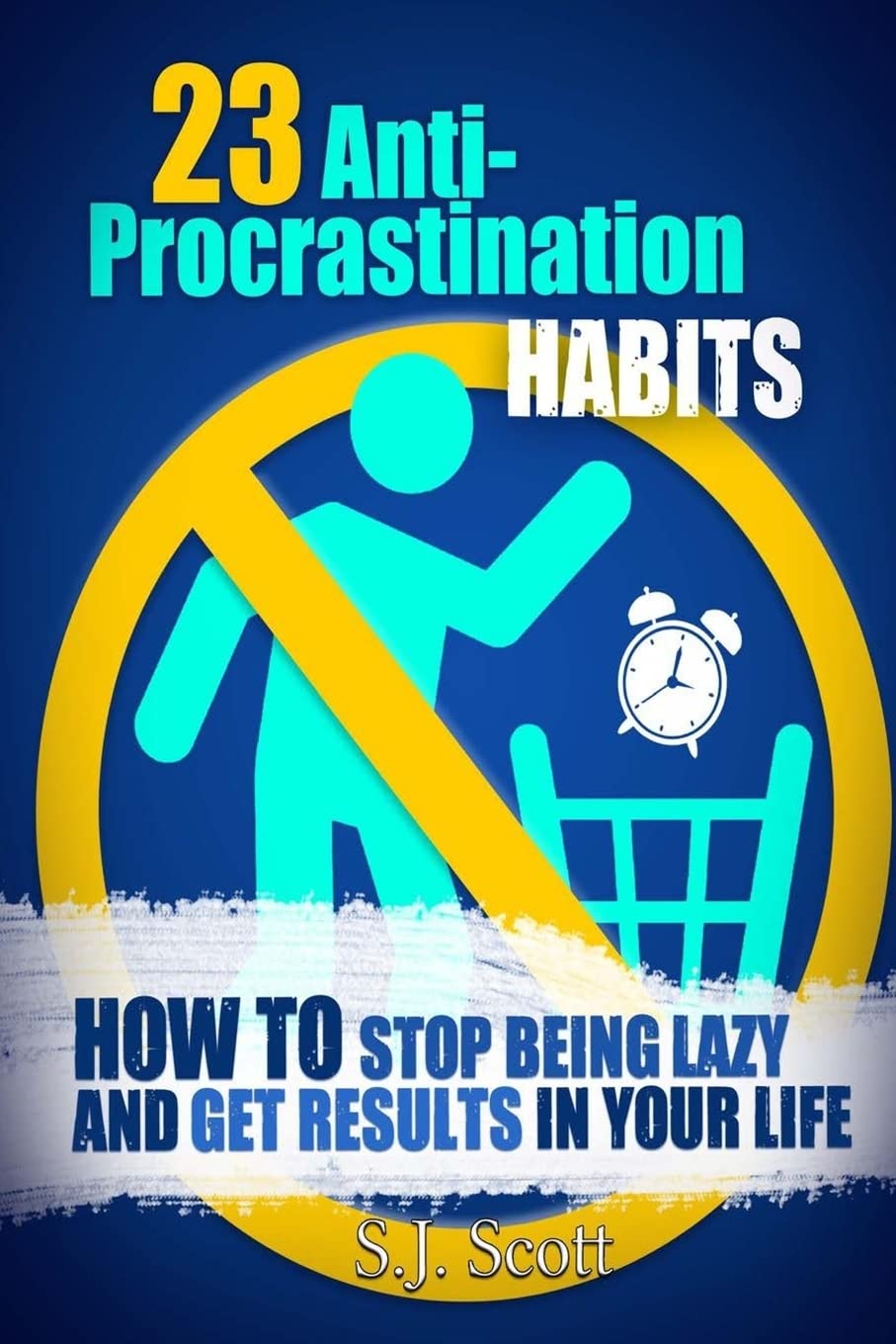
23 Anti-Procrastination Habits: How to S... |

The Faith of Autumn Waters... |

Wolfhound: The King's Hounds book I... |
|
|---|---|---|---|---|
| Price | $15.99 | $11.99 | $21.00 | $24.99 |
| Brand | John Kitchen | S.J. Scott | Brooke Lewis | Austin Davis |
| Merchant | Amazon | Amazon | Amazon | Amazon |
| Availability | In Stock | In Stock | In Stock | In Stock |