
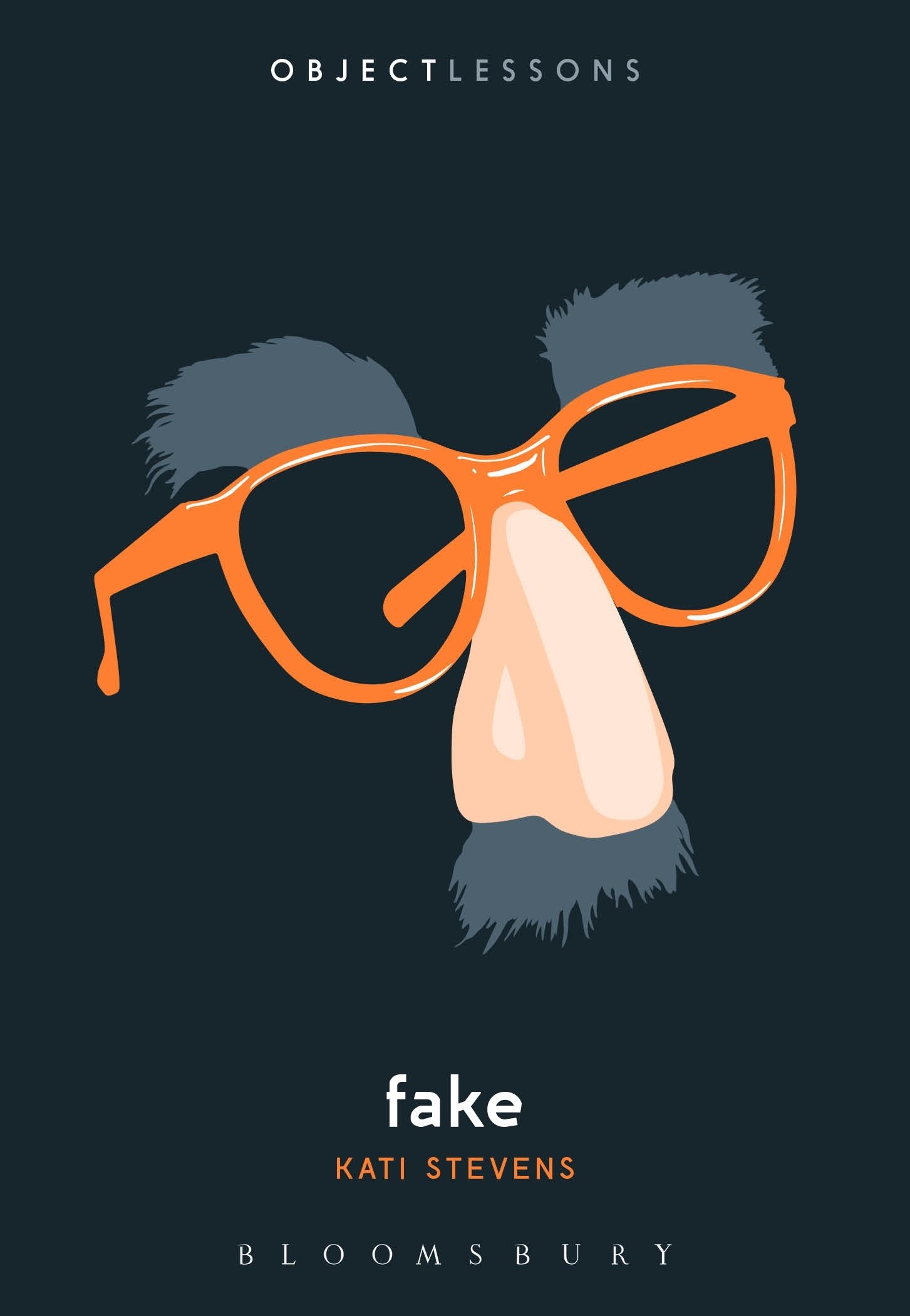
Fake (Object Lessons)
$14.95
| Brand | Kati Stevens |
| Merchant | Amazon |
| Category | Books |
| Availability | In Stock Scarce |
| SKU | 1501338137 |
| Age Group | ADULT |
| Condition | NEW |
| Gender | UNISEX |
| Google Product Category | Media > Books |
| Product Type | Books > Subjects > Literature & Fiction > History & Criticism > Criticism & Theory |
About this item
Fake (Object Lessons)
Object Lessons is a series of short, beautifully designed books about the hidden lives of ordinary things. The electric candle and faux fur, coffee substitutes and meat analogues, Obama impersonators, prosthetics. Imitation this, false that. Humans have been replacing and improving upon the real thing for millennia – from wooden toes found on Egyptian mummies to the Luxor pyramid in Las Vegas. So why do people have such disdain for so-called “fakes”? Kati Stevens's Fake discusses the strange history of imitations, as well as our ever-changing psychological and socioeconomic relationships with them. After all, fakes aren't going anywhere; they seem to be going everywhere. Object Lessons is published in partnership with an essay series in The Atlantic . “ Fake aims to interrogate what it is we think we’re getting from the ‘real’ thing and what we’re searching for either by clamoring for ‘real’ things or by accepting their imitation … If you revel in the critical examination of objects around you and criticism of commonly accepted attitudes, this book will be your new friend.” - Seattle Book Review “ Fake is fascinating, clever, and utterly perspective-altering. Kati Stevens is the genuine article.” ― Emily Anthes, author of Frankenstein's Cat (2013) Christopher Schaberg is Director of the Program in Public Scholarship at Washington University in St. Louis, USA, and the author of The Textual Life of Airports (2012), The End of Airports (2015), Airportness (2017), The Work of Literature in an Age of Post-Truth (2018), Searching for the Anthropocene (2019), Pedagogy of the Depressed (2021), and Adventure: An Argument for Limits (2023), all published by Bloomsbury. He is also the founding co-editor (with Ian Bogost) of Bloomsbury's Object Lessons book series. Ian Bogost is an author and an award-winning game designer. He is Barbara and David Thomas Distinguished Professor in Arts & Sciences, Director of Film & Media Studies, and Professor of Computer Science and Engineering at Washington University in St. Louis. Bogost is also Founding Partner at Persuasive Games LLC, an independent game studio, and a Contributing Editor at The Atlantic. Bogost is author or co-author of ten books, including Alien Phenomenology (2012)and Play Anything (2016). Fake By Kati Stevens Bloomsbury Publishing Plc Copyright © 2019 Kara Thompson All rights reserved. ISBN: 978-1-5013-3813-7 Contents 1 The start of something fake, 1, 2 That which is fake may never die, 9, 3 Quorn for lunch; Oreos for dessert, 21, 4 What was never real can(not) be faked, 43, 5 Hippopotamus teeth, 67, 6 Davids, 91, 7 Ovid and the real girl, 109, 8 The start of something fake, part 2, 123, Acknowledgments, 129, Notes, 131, Index, 139, CHAPTER 1 THE START OF SOMETHING FAKE I am sick of the word. Noun, adjective, and verb, overused and misused, in recent years fake's rap has gone from bad to downright malignant. All those members of the synonym posse that, since the beginning of the industrial revolution, have taken up some of the slack of the fake's burden are now in hiding, afraid of similar slander and blasphemy. So close to meaning everything/nothing, the slur "fake" is now, ironically, the great, false equalizer. It is not another word for "fraud," but a meaning- stripped catchall epithet for the bad, the cheap, and the despised. I want to give fake its clothes back. I want to take back the language around the fake, around what this word and its friends have meant historically, socioeconomically and psychologically, and what they mean today. The bottom has fallen out for fake, but it has been a long time coming. For too long humans have given copies, imitations, substitutes, faux this and false that, short shrift. By putting the ersatz and the proxy in their proper places in the story of human invention and progress, perhaps people can finally separate these things from true "fakes" and understand the nature and power of such words and the objects they name. Who's a Phony? Let's start with phony, the slur of choice for man among bildungsromen, The Catcher in the Rye 's young Holden Caulfield. With the exception of his sister Phoebe, his dead younger brother Allie, and Jane Gallagher, the girl who got away, just about everyone and everything Holden encounters is deemed to be phony — his headmaster, his preparatory school, his ex-girlfriend, his favorite teacher, his screenwriter brother, his roommate, the prostitute he pays, the Edmont Hotel, the Seattle girls, Lillian Simmons, and, above all, himself. Of all these characters and places, only the prostitute is trying to cheat Holden. With everyone else, the issue at hand is neither hypocrisy nor fraud, but what Holden — who knows little to nothing of their lives when they are not with him, of their relationships with their families and friends, and of their own internal narratives — perceives as inconsistency of logic or characte
| Brand | Kati Stevens |
| Merchant | Amazon |
| Category | Books |
| Availability | In Stock Scarce |
| SKU | 1501338137 |
| Age Group | ADULT |
| Condition | NEW |
| Gender | UNISEX |
| Google Product Category | Media > Books |
| Product Type | Books > Subjects > Literature & Fiction > History & Criticism > Criticism & Theory |
Similar Products





Compare with similar items

Jesus Walks With Me... |
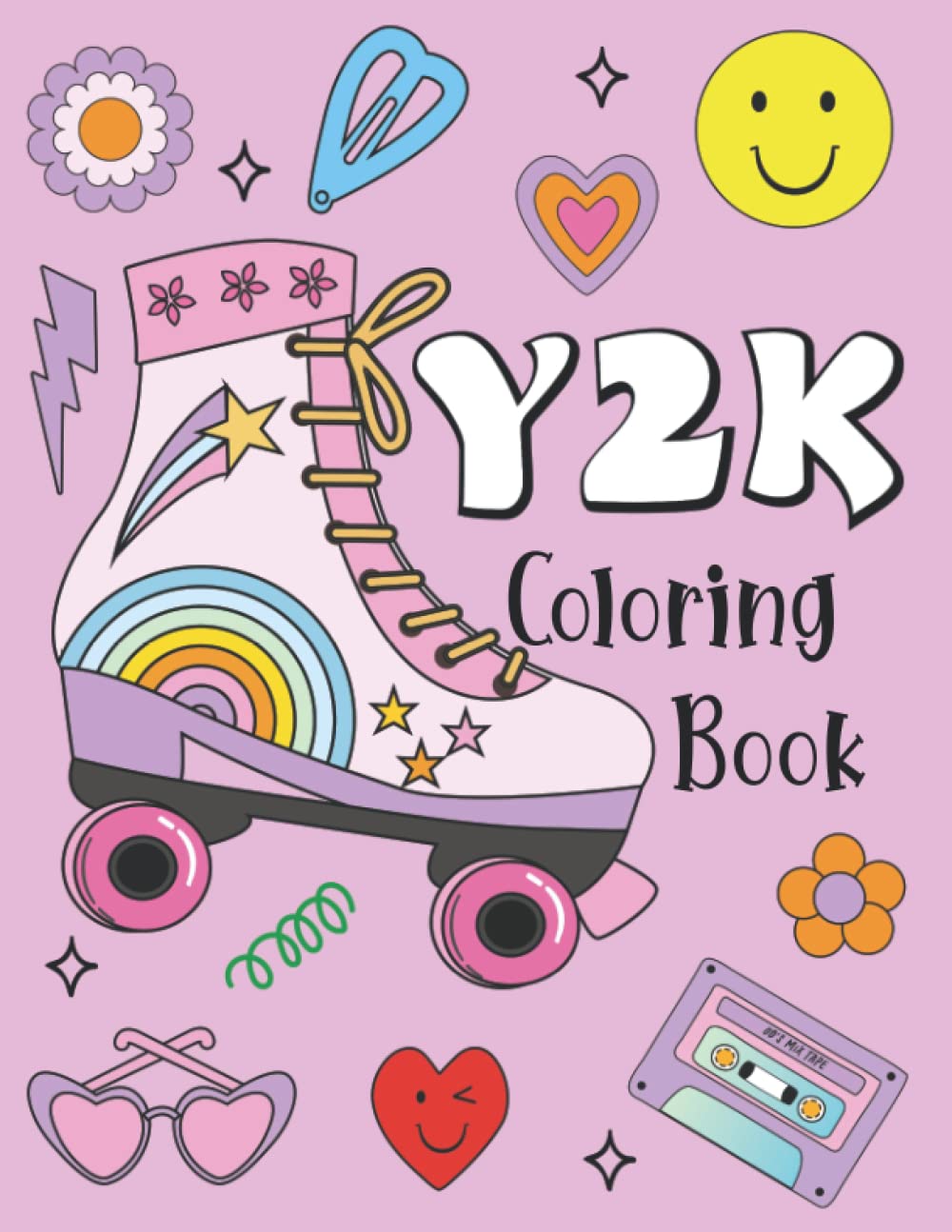
Y2K Coloring Book: An Aesthetic Coloring... |

THE NATURAL REMEDY FOR JOINT PAIN: Simpl... |
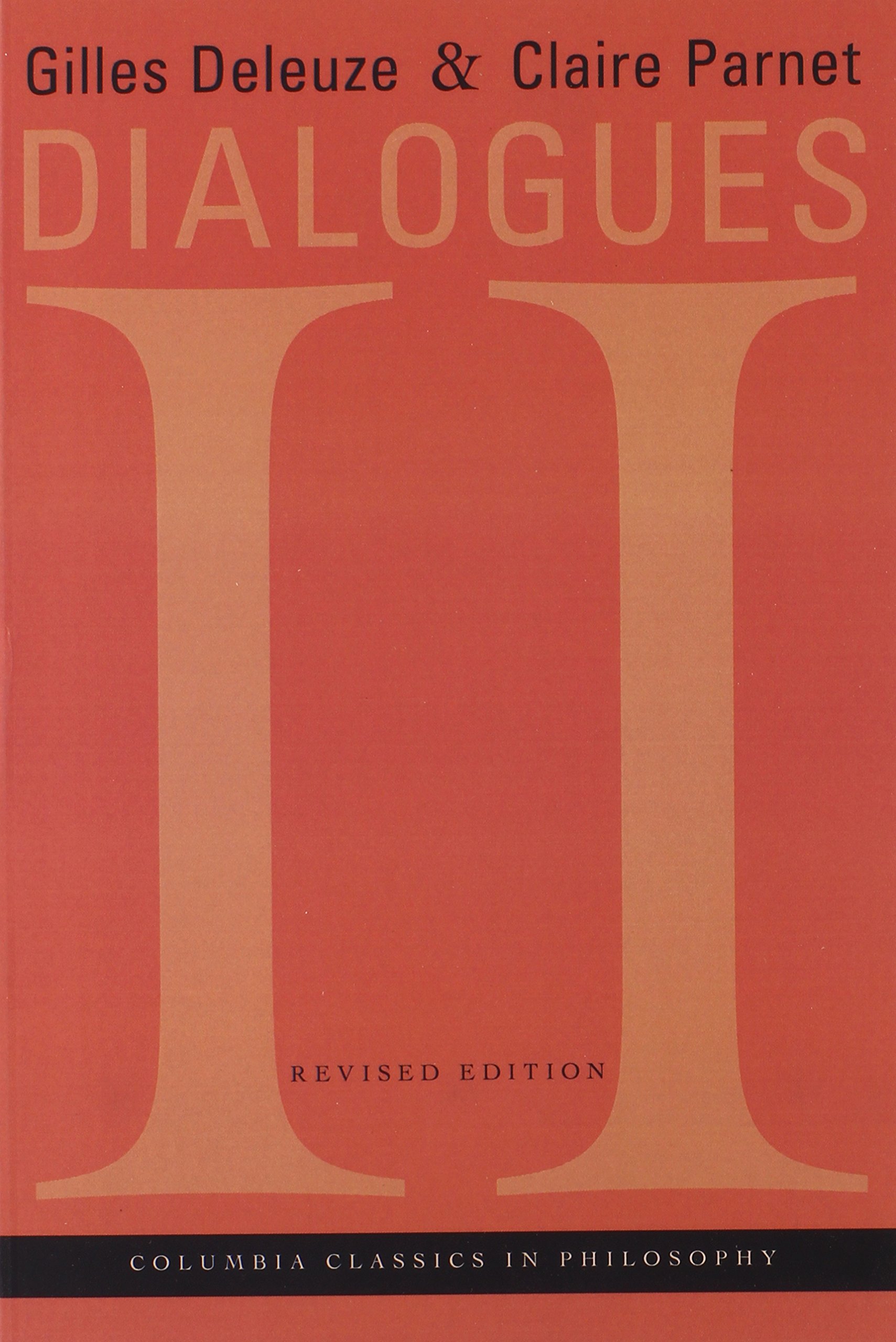
Dialogues II (European Perspectives: A S... |
|
|---|---|---|---|---|
| Price | $9.99 | $6.99 | $9.99 | $30.00 |
| Brand | Lucy Giles | Mark Agis | Emmanuel Obid | Gilles Deleuze |
| Merchant | Amazon | Amazon | Amazon | Amazon |
| Availability | In Stock | In Stock | In Stock | In Stock Scarce |