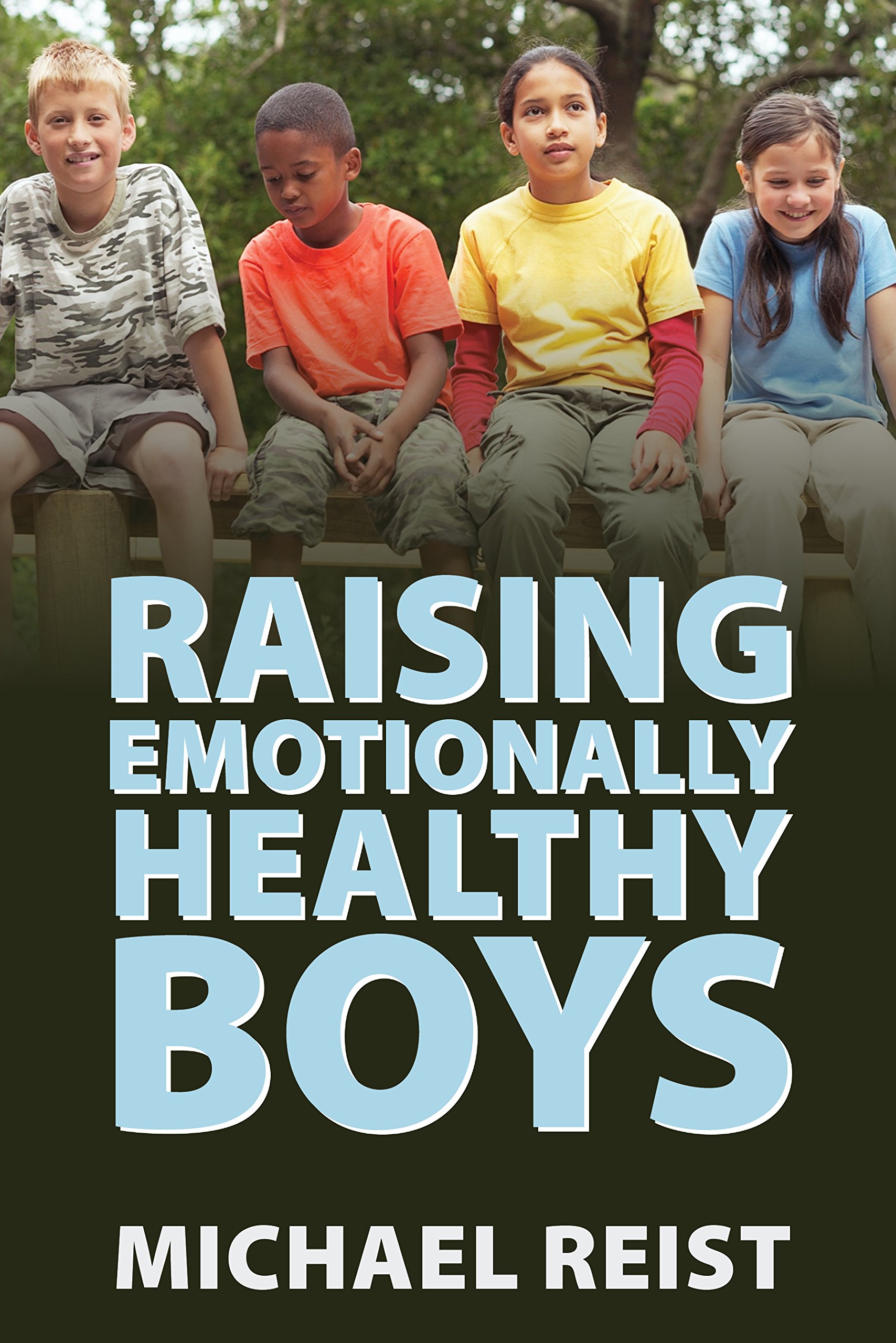
Raising Emotionally Healthy Boys
$13.36
| Brand | Michael Reist |
| Merchant | Amazon |
| Category | Books |
| Availability | In Stock Scarce |
| SKU | 1459731395 |
| Age Group | ADULT |
| Condition | NEW |
| Gender | UNISEX |
| Google Product Category | Media > Books |
| Product Type | Books > Subjects > Self-Help > Relationships > Conflict Management |
About this item
Raising Emotionally Healthy Boys
Raising emotionally healthy children is not just about what we need to do , but what we need to avoid doing. We all know that repressing our feelings can be damaging, and that emotional repression is an especially prevalent issue among males. From a very young age, boys are socialized to hide their emotions. Girls, on the other hand, are encouraged to learn a much broader range of emotional expression. The long-term repercussions of this imbalance are profound. Many of the problems we face, both as a society and as a species, are directly affected by how we raise our boys. We are all products of nature and nurture combined. The conscious and unconscious lessons we give our children often enhance and improve their human natures, but can sometimes degrade them, too. As we come to the end of thousands of years of patriarchy, we are being challenged to redefine masculinity. Our boys are lucky to be living in such a time, and luckier when they have adults in their lives who are aware of how their minds function and what they need. If we want to raise men who are strong, confident, and whole in the best sense of these words, then parents around the world urgently need a conversation about what we teach ― and don’t teach ― our boys. This book creates a compelling argument to show that traits in boys often leading to resistance should be encouraged through a combination of empathy and character building which result in the development of confident citizens who can make positive contributions to our communities. ― Canadian Teacher Michael Reist is an internationally recognized advocate for men and boys. As a mentor to hundreds of men and boys over the past two decades, he is aware of the deep questions and issues facing men today. He is the author of several books, including Raising Boys in a New Kind of World and Raising Emotionally Healthy Boys . Michael lives in Caledon East, Ontario. Part 1: Where Do I Start? What is Emotional Health? You cannot have a healthy or an unhealthy emotion. Your emotions cannot be “sick.” Emotions are completely natural and arise from the conditions in which we find ourselves. Emotions are like the weather. Storms come and go, clouds form and disperse, fog rolls in, the sun shines brightly. Weather is not good or bad. It is neutral. When we talk about bad weather and good weather, we are talking about the judgements we are passing on it, and these judgements always have to do with how the weather is hindering us or helping us. Feelings are the same. They come and they go according to certain “systems.” The difference between weather systems and emotional systems is that we create or at least have some control over the conditions that create these feelings. Likewise, as we can decide how to respond to the weather, we can decide how to respond to our feelings. An emotionally healthy person is someone who does not block their feelings, but has their feelings. It has been said, if you don’t have your feelings, your feelings will have you. Psychologists use the word “repression” for what we do to our feelings. We press them down. When you press anything down, it doesn’t go away. It intensifies. Think of water or air under pressure. It will not be contained. It must get out. If it can’t get our in natural ways, it will get out in other ways. Our feelings are the same. They must get out. We must learn to “have” our feelings. Not just because of the damage that repressing them will cause but also because of the pleasure we miss. Incredibly, we repress pleasurable feelings as well as unpleasurable ones. The mechanism of repression becomes so ingrained that we shut down, repress, and stifle all emotions. The emotionally healthy person is the one who has their emotions, in whom the emotions flow like water. The image of the flowing stream is a good one for understanding our emotions. Water goes where it will. When we dam the stream, the land (our consciousness) becomes flooded. The same thing happens when we dam our feelings. The river overflows its banks and what started out as an innocent flow becomes something destructive and problematic. When we talk about raising emotionally healthy children, we are not talking about what we need to do to them. We are talking about what we must avoid doing. Children are born with powerful, healthy, fully-functioning emotional lives. Why then does this child develop into an angry, acting-out child or a depressed teenager? Sometimes the answer lies in chemistry, but more often the answer lies in the environment in which this child finds him or herself. This environment includes all the people who clip, trim, water and fertilize this young plant. Some kids grow up to be flourishing, fully functioning adults. Others grow up to be stunted dwarf versions of what they could have been. We are not talking about raising the perfect child. We are talking about raising children to achieve as much of their inner potential as possible. We will not be able
| Brand | Michael Reist |
| Merchant | Amazon |
| Category | Books |
| Availability | In Stock Scarce |
| SKU | 1459731395 |
| Age Group | ADULT |
| Condition | NEW |
| Gender | UNISEX |
| Google Product Category | Media > Books |
| Product Type | Books > Subjects > Self-Help > Relationships > Conflict Management |
Similar Products










Compare with similar items

2026 Collins Essential Road Atlas Britai... |
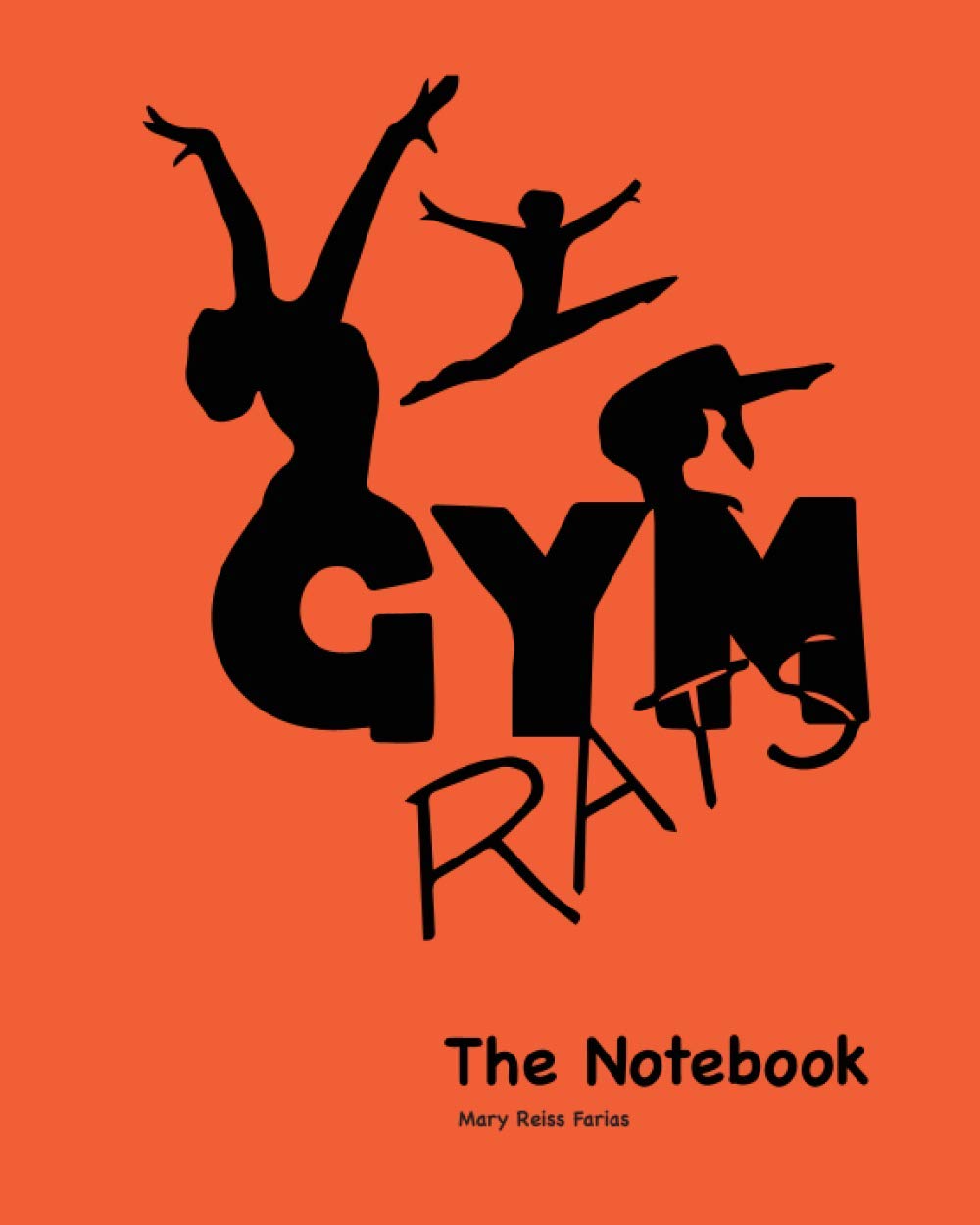
Gym Rats: The Notebook #4: Notebook #4 i... |
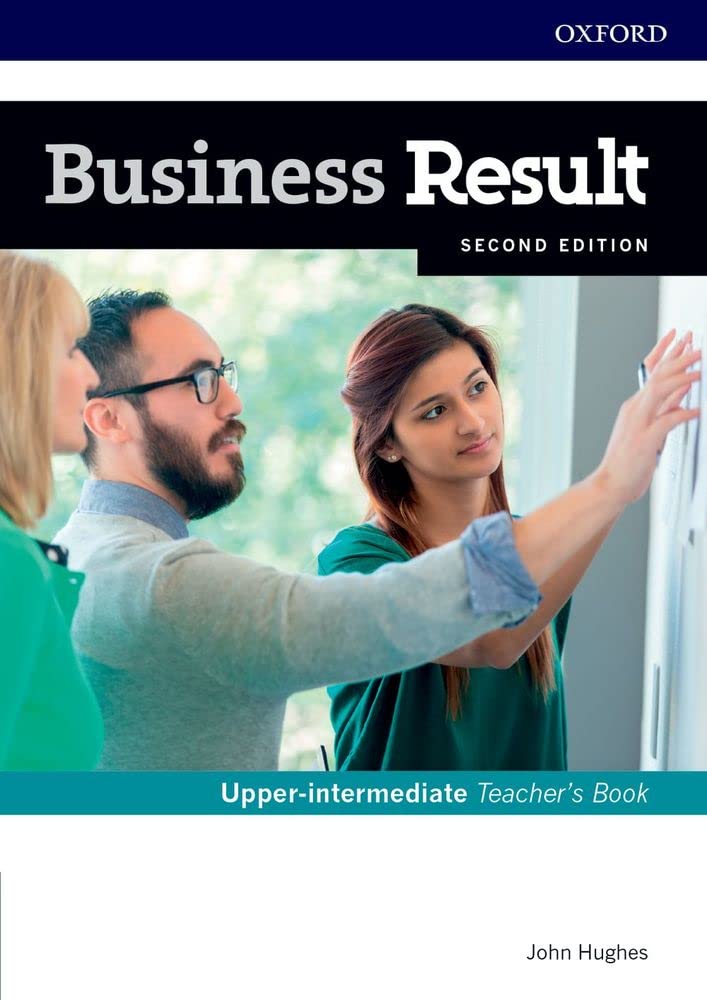
Business Result Upper-Intermediate. Teac... |
In the House of Schizophrenia: A Certifi... |
|
|---|---|---|---|---|
| Price | $23.99 | $7.00 | $34.67 | $7.99 |
| Brand | Collins | Mary Reiss Farias | John Hughes | Anne Compton |
| Merchant | Amazon | Amazon | Amazon | Amazon |
| Availability | In Stock Scarce | In Stock | In Stock | In Stock |