
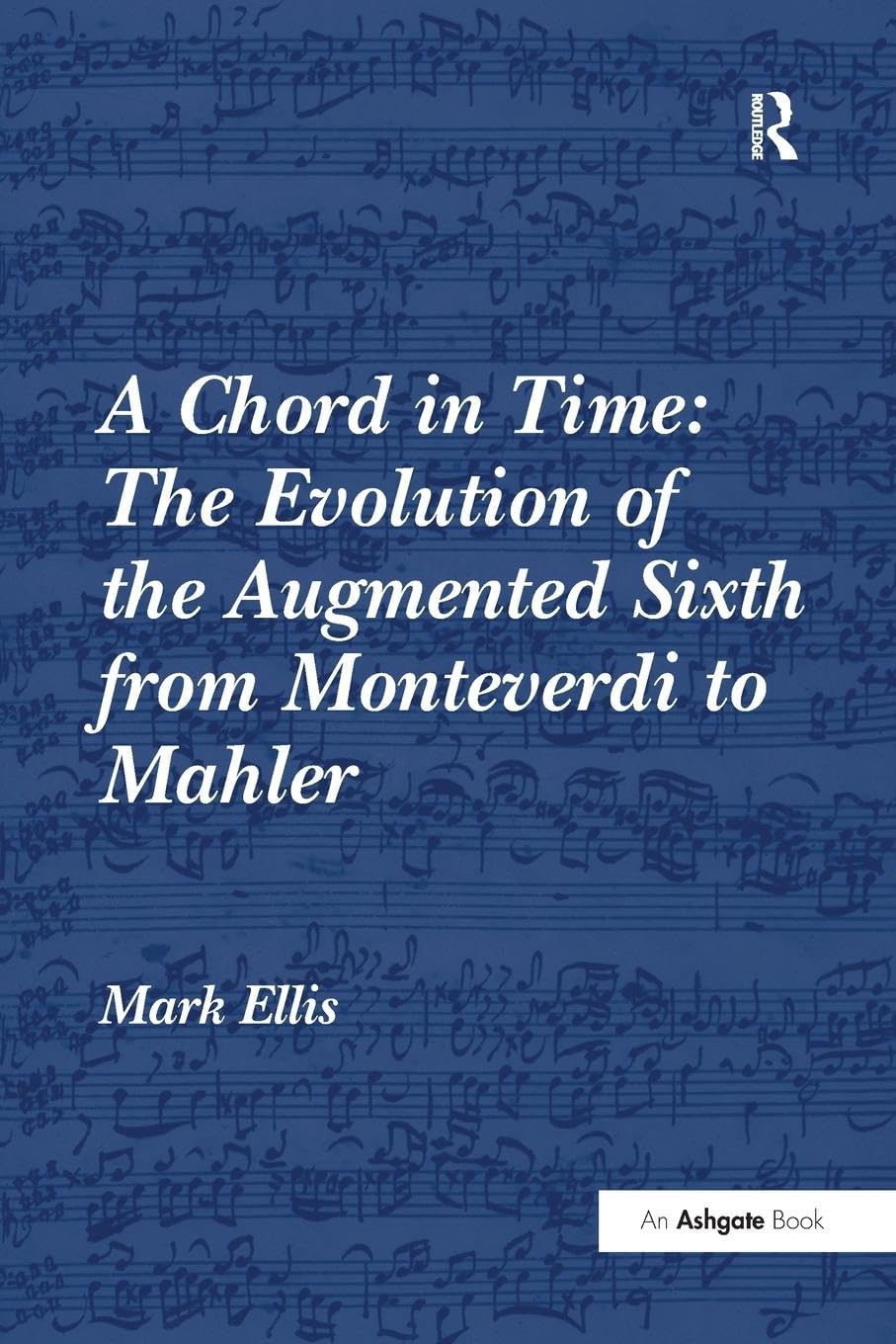
A Chord in Time: The Evolution of the Augmented Sixth from Monteverdi to Mahler
$56.24
| Brand | Mark Ellis |
| Merchant | Amazon |
| Category | Books |
| Availability | In Stock |
| SKU | 1138250937 |
| Age Group | ADULT |
| Condition | NEW |
| Gender | UNISEX |
| Google Product Category | Media > Books |
| Product Type | Books > Subjects > Arts & Photography > Music > Musical Genres > Religious & Sacred Music > Christian > Gospel |
About this item
A Chord in Time: The Evolution of the Augmented Sixth from Monteverdi to Mahler
For centuries, the augmented sixth sonority has fascinated composers and intrigued music analysts. Here, Dr Mark Ellis presents a series of musical examples illustrating the 'evolution' of the augmented sixth and the changing contexts in which it can be found. Surprisingly, the sonority emerged from one of the last remnants of modal counterpoint to survive into the tonal era: the Phrygian Cadence. In the Baroque period, the 'terrible dissonance' was nearly always associated with negative textual imagery. Charpentier described the augmented sixth as 'poignantly expressive'. J. S. Bach considered an occurrence of the chord in one of his forebear's motets 'remarkably bold'. During Bach's composing lifetime, the augmented sixth evolved from a relatively rare chromaticism to an almost commonplace element within the tonal spectrum; the chord reflects particular chronological and stylistic strata in his music. Theorists began cautiously to accept the chord, but its inversional possibilities proved particularly contentious, as commentaries by writers as diverse as Muffat, Marpurg and Rousseau reveal. During the eighteenth century, the augmented sixth became increasingly significant in instrumental repertoires - it was perhaps Vivaldi who first liberated the chord from its negative textual associations. By the later eighteenth century, the chord began to function almost as a 'signpost' to indicate important structural boundaries within sonata form. The chord did not, however, entirely lose its darker undertone: it signifies, for example, the theme of revenge in Mozart's Don Giovanni. Romantic composers uncovered far-reaching tonal ambiguities inherent in the augmented sixth. Chopin's Nocturnes often seem beguilingly simple, but the surface tranquillity masks the composer's strikingly original harmonic experiments. Wagner's much-analyzed 'Tristan Chord' resolves (according to some theorists) on an augmented sixth. In Tristan und Isolde, the chord's mercurial character - its tonal ambivalence - symbolizes the 'distortion of reality' induced by the Magic Potion. As Schoenberg wrote, the chord of the augmented sixth stands 'on the fringes of tonality'. The book concludes with a discussion of the role of the chord in the decay of the tonal system, and its 'afterlife' in the post-tonal era. This book will appeal to music analysts by providing a chronological framework for further stylistic and harmonic analysis. To ensure its accessibility in graduate classes, the author includes a straightforward introduction to the augmented sixth and its theoretical background. Mark Ellis teaches Music Theatre at Kirklees College, and Harmony and Analysis at Huddersfield University, UK.
| Brand | Mark Ellis |
| Merchant | Amazon |
| Category | Books |
| Availability | In Stock |
| SKU | 1138250937 |
| Age Group | ADULT |
| Condition | NEW |
| Gender | UNISEX |
| Google Product Category | Media > Books |
| Product Type | Books > Subjects > Arts & Photography > Music > Musical Genres > Religious & Sacred Music > Christian > Gospel |
Similar Products

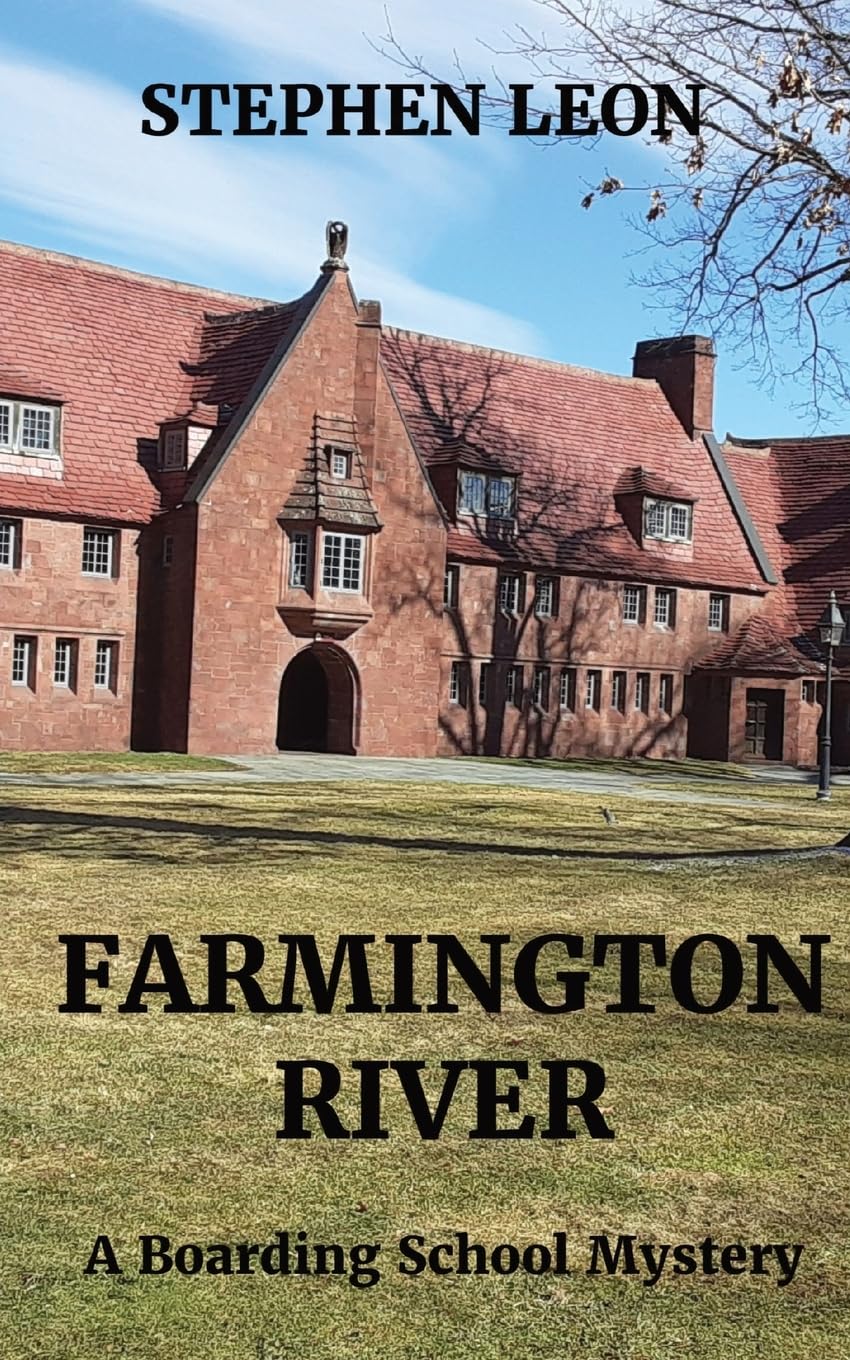







Compare with similar items

Brain-Fueled Workplace: Harnessing Neuro... |

Data Center Financing and Securitization... |
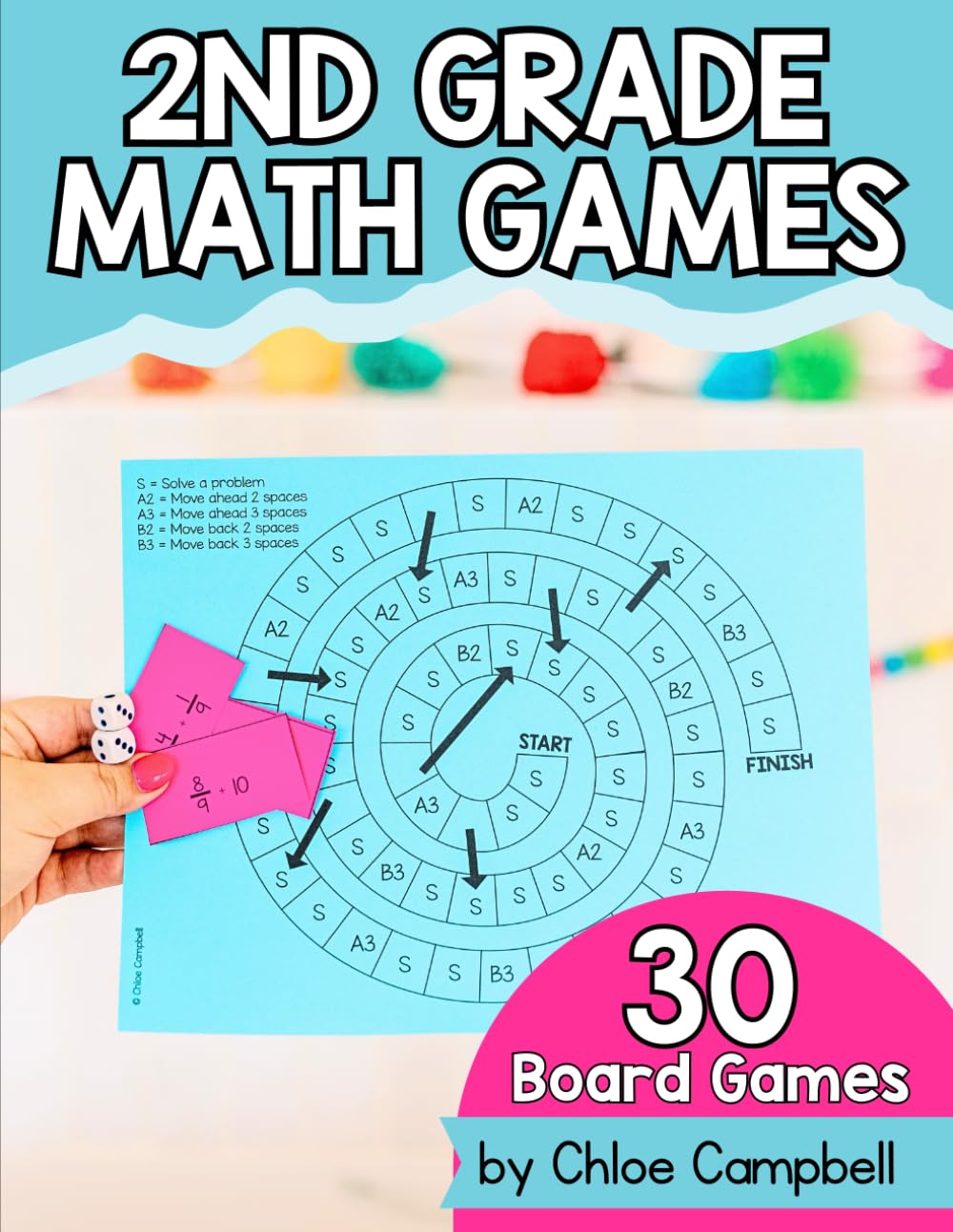
2nd Grade Math Games Workbook: 2nd Grade... |

Extra Large Print | Mindfulness Word Sea... |
|
|---|---|---|---|---|
| Price | $19.99 | $69.95 | $15.99 | $11.95 |
| Brand | Chaela Volpe | Tripp Crane | Chloe Campbell | Cormorant Books |
| Merchant | Amazon | Amazon | Amazon | Amazon |
| Availability | In Stock | In Stock | In Stock | In Stock |