
Business Model Shifts: Six Ways to Create New Value For Customers
$23.53
| Brand | Patrick van der Pijl |
| Merchant | Amazon |
| Category | Books |
| Availability | Leadtime |
| SKU | 1119525349 |
| Age Group | ADULT |
| Condition | NEW |
| Gender | UNISEX |
| Google Product Category | Media > Books |
| Product Type | Books > Subjects > Business & Money > Management & Leadership > Decision-Making & Problem Solving |
About this item
Business Model Shifts: Six Ways to Create New Value For Customers
Move away from traditional, outdated, and inefficient business models to increase value and delight customers Never before has the business world seen so much radical change. This change is accelerating, casting a spotlight on the economy and pointing out the businesses and business models that must adapt or die trying. As business leaders, decision makers, entrepreneurs, intrapreneurs, and change agents, it's up to you to redesign and shift your organizations' business models to ensure your organization lives on and thrives in the future. Business Model Shifts shows you how to do all this, and much more. The book examines six different kinds of business model shifts, each addressing a structural flaw in the current economic system, and identifies the opportunities that lie on the other side of those flaws: 1. The Services Shift: the move from product towards services that get the job done for customers 2. The Stakeholder Shift: the move from a shareholder orientation towards creating value for all stakeholders 3. The Digital Shift: the move from fragmented business operations towards always being connected to customers and their needs 4. The Platform Shift: the move from underserved towards directly connecting people to exchange value 5. The Exponential Shift: the move from improving 10% towards exponential thinking and 10x growth 6. The Circular Shift: the move from take-make-dispose towards restorative, regenerative, and circular value creation Covering 39 case studies, 60+ individual business models, and more than 30 patterns, Business Model Shifts is a comprehensive resource for understanding the mindset, opportunities, business model options, and bold steps you can take to create your own shift for the future. Many traditional businesses that deal in buying, manufacturing, brokering, and selling goods are fairly static where their business models are concerned. This makes sense for businesses that historically have dealt with a stable or slowly changing context. How about this: "To fulfill customer demand, traditional businesses manufacture more goods while raising capital to continually increase production and scale distribution." Expansion in this case often comes down to investing in product development and/or acquisitions and expanding to new geographies and markets, selling the same goods. Because those goods and the underlying (single) business model are the lifeblood of the organization, protecting intellectual property (IP) is a constant endeavor. Consider the aforementioned example of Universal Studios. With a single business model in play for content production and distribution--even if that business model had multiple customer segments and revenue streams--if the content can no longer be protected, in Universal's eyes, the business model will die. Keeping this in mind, it's no wonder that many organizations, including Universal Studios, did quite well through most of the twentieth century, spending little effort on new business models or innovation within their existing business models. Traditional companies of this period that worked with a single business model often attempted to innovate by engaging in disparate activities that were not tied tightly to their business goals. In these cases, the return on innovation was often pretty low because innovation that is not tied tightly to a company's business goals seldom leads to new value being created for new and existing customers. By now, we've established that the business world continuously shifts as technology changes at an accelerating rate, and customer behavior and expectations change. Just as Universal Studios and its competitors were forced to create new business models to remain relevant, organizations today must develop, build, grow, and manage not just one business model but a portfolio of business models to serve an entire spectrum of evolving customer needs. Such a business model portfolio consists of mature business models that generate current cash flow; adjacent business models that are on a growth trajectory (potentially) leading to future cash flow; emerging business models that are being incubated with the idea that they may help gain traction in another market; and declining business models that are losing relevance and subsequently declining in revenue. Organizations that employ a business model portfolio approach are always in search of future value, particularly in customer segments and markets where they may not yet play. What's more, a portfolio approach helps to reinforce strategic decision-making around how technologies and customers' needs are evolvingand what business models must come to the fore, evolve, or be sunsetted in order to create, deliver, and capture future value. Portfolios are about continuous innovation and not stasis as a strategy. As this book is being finalized, the world is in the throes of a global pandemic, known as COVID-19. Not only has this pandemic strained the very fabric of soc
| Brand | Patrick van der Pijl |
| Merchant | Amazon |
| Category | Books |
| Availability | Leadtime |
| SKU | 1119525349 |
| Age Group | ADULT |
| Condition | NEW |
| Gender | UNISEX |
| Google Product Category | Media > Books |
| Product Type | Books > Subjects > Business & Money > Management & Leadership > Decision-Making & Problem Solving |









Compare with similar items

100 Patterns: An Adult Coloring Book wit... |
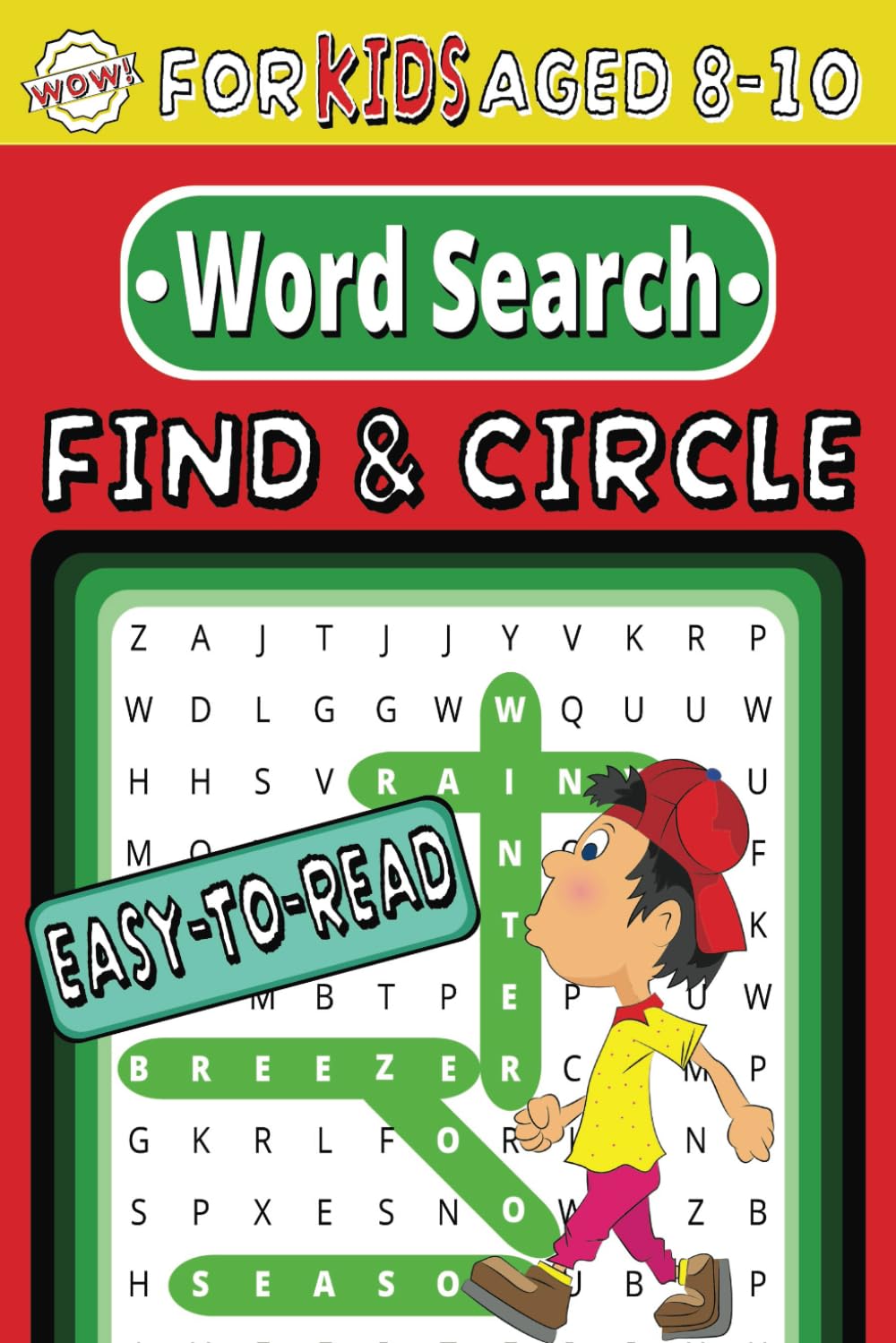
Word Search Find & Circle for Kids Aged ... |

A Crown Of Beauty: Restoration After Rej... |
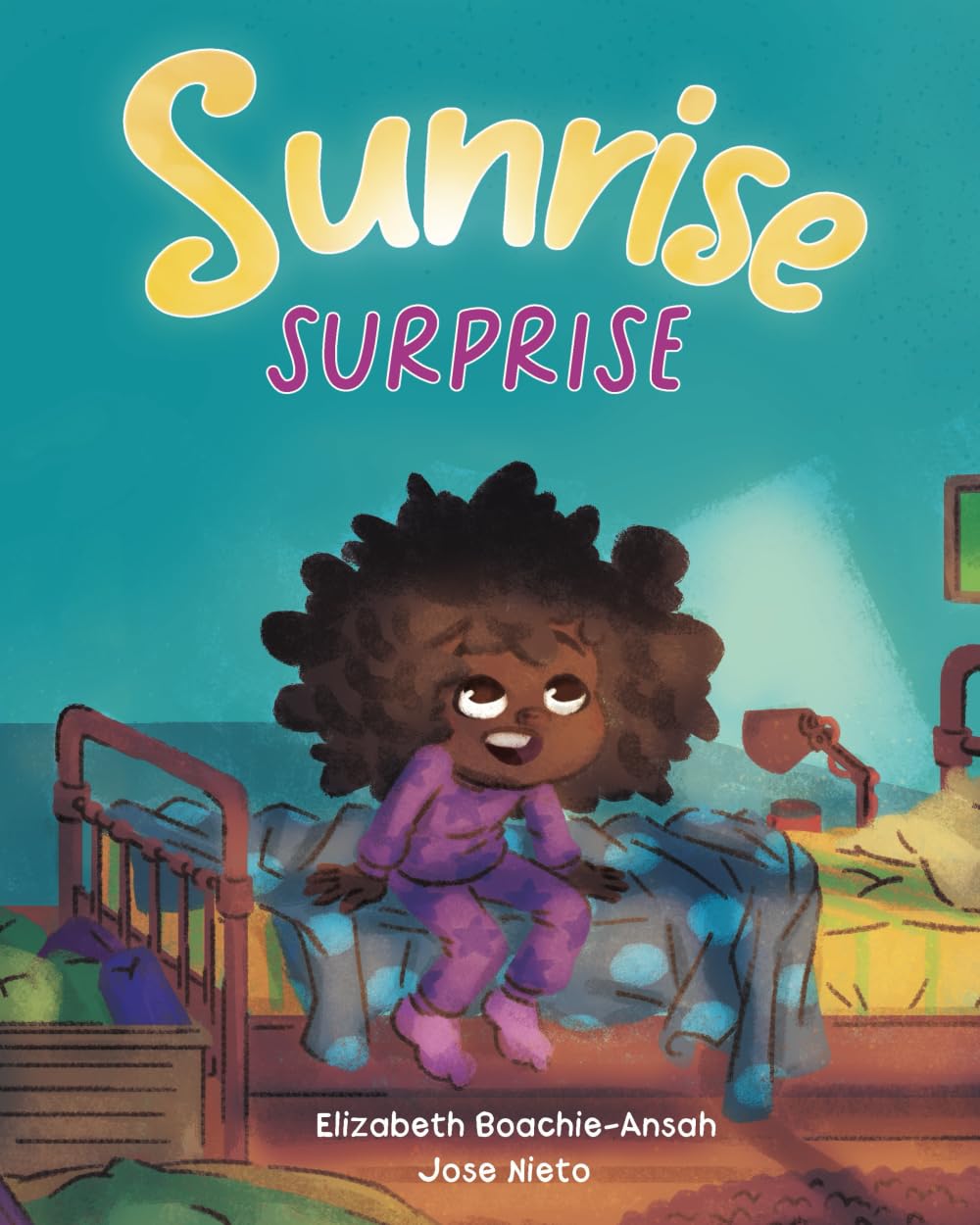
Sunrise Surprise: A Rhyming Journey into... |
|
|---|---|---|---|---|
| Price | $8.99 | $5.99 | $15.95 | $13.99 |
| Brand | Creative Paper | Easy Solves | Jax O’Brien | Elizabeth Boachie-Ansah |
| Merchant | Amazon | Amazon | Amazon | Amazon |
| Availability | In Stock | In Stock | In Stock | In Stock |