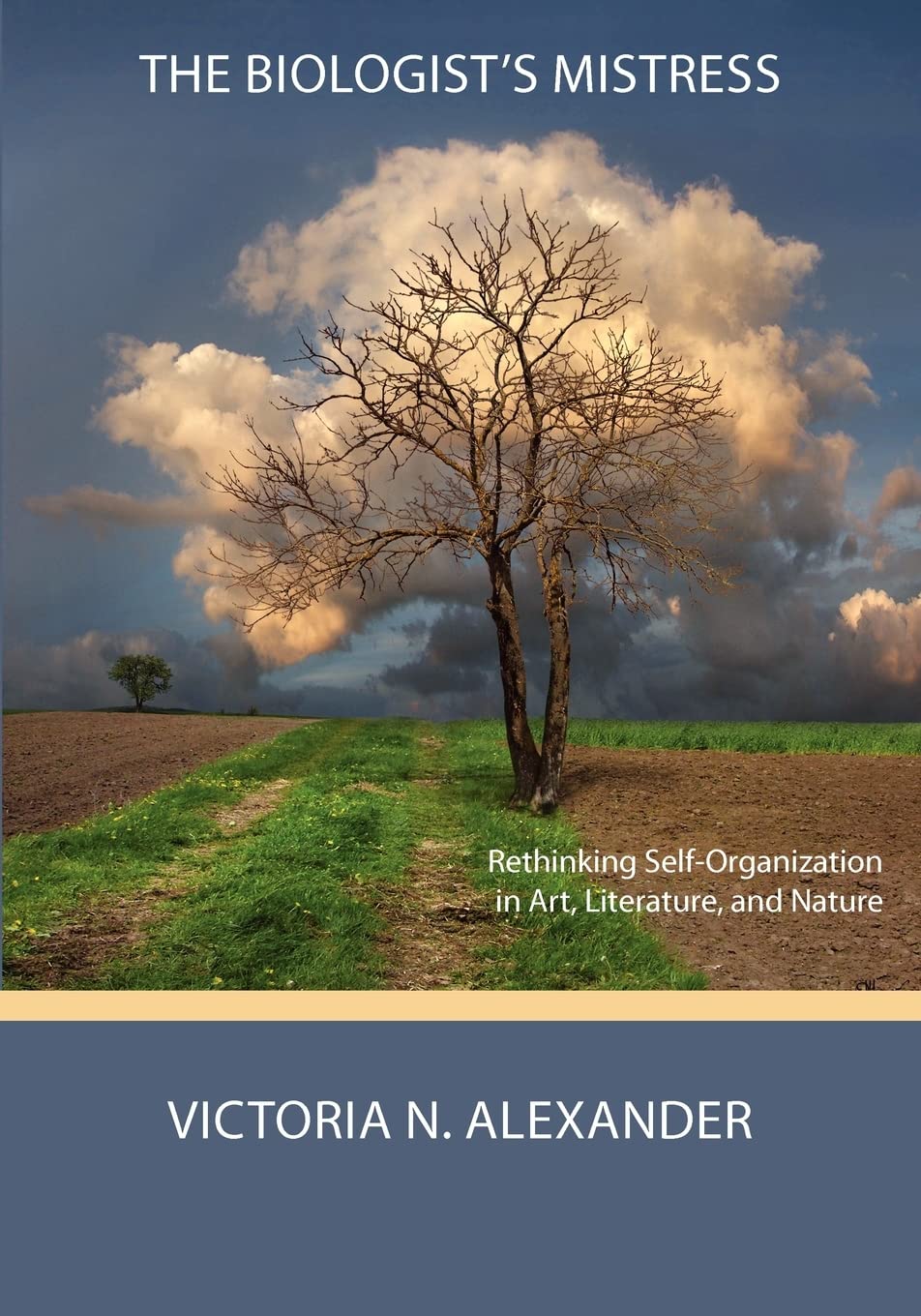
The Biologist's Mistress: Rethinking Self-Organization in Art, Literature, and Nature
$15.89
| Brand | Victoria N Alexander |
| Merchant | Amazon |
| Category | Books |
| Availability | In Stock |
| SKU | 0984216553 |
| Age Group | ADULT |
| Condition | NEW |
| Gender | UNISEX |
| Google Product Category | Media > Books |
| Product Type | Books > Subjects > Literature & Fiction > History & Criticism > Criticism & Theory |
About this item
The Biologist's Mistress: Rethinking Self-Organization in Art, Literature, and Nature
A secular redescription of teleology, the study of purpose. As 20th century geneticist J. B. S. Haldane famously quipped, “Teleology is like a mistress to the biologist; he dare not be seen with her in public but cannot live without her.” Teleology is the study of the purposes of nature. As a scientific discipline, it began its celebrated decline in the 17th century, with the birth of modern empiricism, and continued to plummet apace the rise of the Enlightenment, Darwinism, and quantum mechanics. Those who continued to think nature could be purposeful were primarily spiritualists, artists, or madmen, who credited the guidance of gods, muses, or fate.But could a wholesale rejection of teleology be an overreaction? Is there something in the idea, as Haldane implies, that we need? Drawing on her experiences as a complexity theorist, novelist and art-theorist, Victoria N. Alexander examines the history and practices of teleology, the study of purpose, in nature as well as in human behavior. She takes us “inside” paradoxically purposeful self-organizing entities (which somehow make themselves without having selves yet to do the making), and she shows us how poetic-like relationships—things coincidentally like each other or metaphoric and things coincidentally near each other or metonymic—help form organization where there was none before. She suggests that it is these chance language-like processes that result in emergent design and selfhood, thereby offering an alternative to postmodern theories that have unfairly snubbed the purposeful artist. Alexander claims that what has been missing from the general discussion of purposefulness is a theory of creativity, without which there can be no purposeful action, only robotic execution of inherited design. Thus revising while reviving teleology, she offers us a secular, non-essentialist conception of selfhood as an achievement that can be more than a momentary stay against the second law. Alexander "has refined a fresh and roundabout style of exposition building to a strong and coherent argument. With winningly explicit self-awareness and seasoned conviction conveyed in a lively conversational tone, she has come out swinging at 'postmodernist' idols of both the intellectual and the artistic marketplace. Her thesis, original and entirely stimulating, is that the modern evacuation of teleology--the loss of a ... secular notion of purposiveness in both nature and art--has led to an impoverished postmodern sensibility..." -Bruce Clarke, Configurations Watch VN Alexander in "The Science of Making Choices" for an introduction to themes in Biologist's Mistress . youtube.com/watch?v=dxAIO_SLqsI "Alexander has written a book of dazzling sparkle, charm and intellectual range. Her eleven chapters in The Biologist's Mistress make an easy tour through some very difficult terrain, and always one is aware of a sturdy armature of argument, lightly carried." - Angus Fletcher, author of New Theory for American Poetry and Time, Space and Motion in the Age of Shakespeare . "In The Biologist's Mistress, Alexander has achieved something so remarkable that one might have been thought impossible before reading her new book. She has persuasively shown how the notion of teleology, reinterpreted in the light of both complexity theory and Peircian semiotics, can illuminate aspects of the novelty producing core of creative process and art-making that had long remained obscure and inaccessible." - Jeffrey Goldstein, author of Emergence: Flirting with Paradox in Complex Systems. This "very personal inquiry into creativity, as apprehended by way of teleology with its historical depth reconceives final cause in connection with the process of self-organization, ...bridging the 'two cultures,' and allowing cross reflection between them." - Stanley Salthe, author of Development and Evolution and Evolving Hierarchical Systems . "Looking at the role of purpose in art and life, The Biologist's Mistress should strongly appeal to those interested in the dovetailing of the sciences and the arts, and especially those enthralled by literary criticism and the craft of fiction. In the end it is a kind of modern artistic manifesto, telling us what we've been missing and why."- Dorion Sagan, co-author of Microcosmos and Into the Cool. "Alexander has an uncanny way of anticipating critical artistic concerns - how much of what we produce is directed, and how much owes to chance? - and then rephrasing the issues in ways that illuminate and promote creativity itself." - Ellen K. Levy, visual artist, past President of the College Art Association, and co-organizer (2002) of a traveling exhibition, Complexity . Victoria N. Alexander is co-founder of the Dactyl Foundation in New York City, an arts organization dedicated to bringing the sciences into the arts and the arts into science. As a visiting researcher at the Santa Fe Institute, she studied evolutionary theory and complexity science, and receive
| Brand | Victoria N Alexander |
| Merchant | Amazon |
| Category | Books |
| Availability | In Stock |
| SKU | 0984216553 |
| Age Group | ADULT |
| Condition | NEW |
| Gender | UNISEX |
| Google Product Category | Media > Books |
| Product Type | Books > Subjects > Literature & Fiction > History & Criticism > Criticism & Theory |
Similar Products

Compare with similar items

Greek Alphabet Letter Tracing & Coloring... |
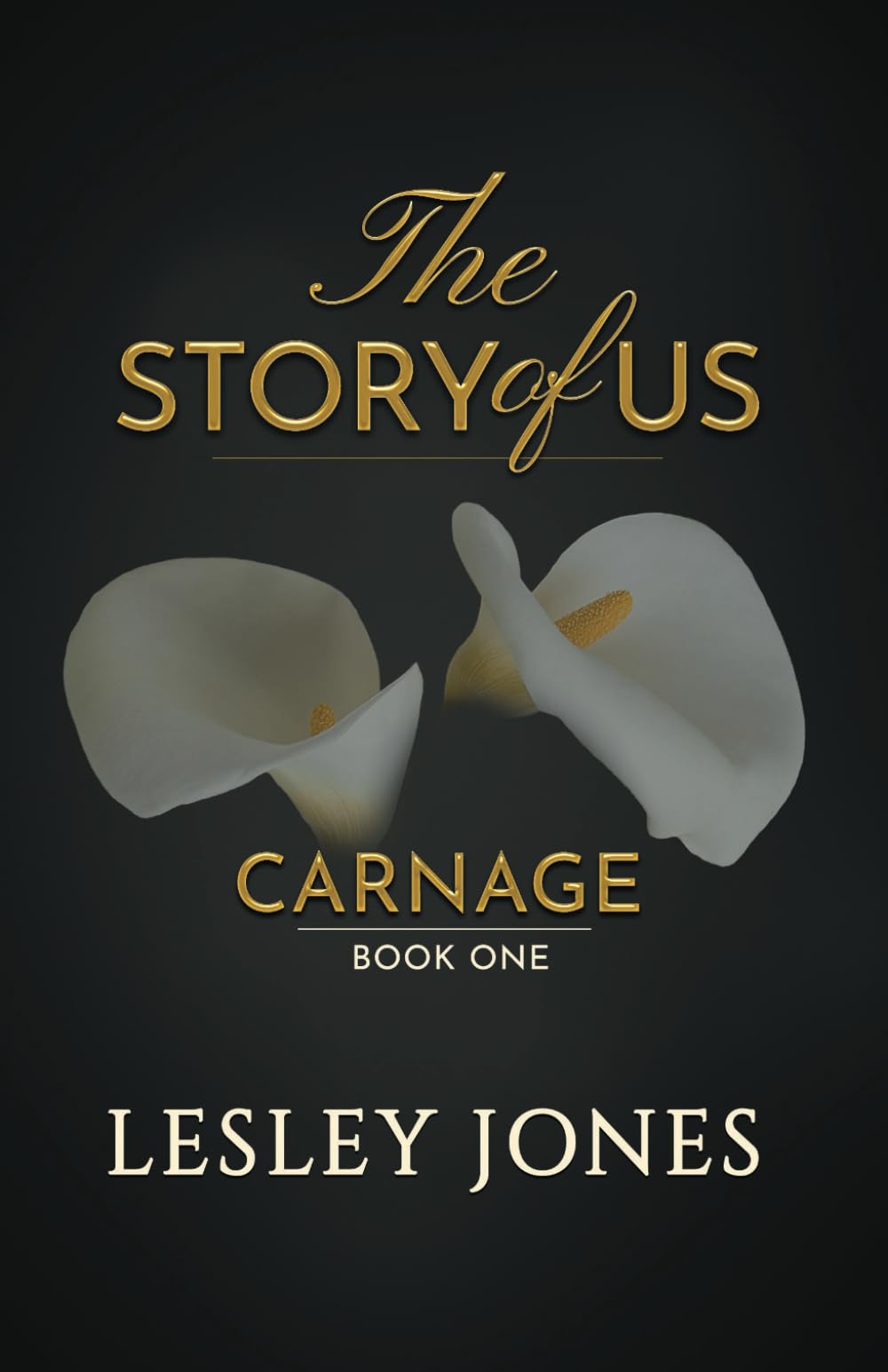
Carnage: Book #1 The Story of Us... |

Macaco da Noite (Contos de Santa Esperan... |

Flames & Feasts: BBQ & Grilling Recipe B... |
|
|---|---|---|---|---|
| Price | $6.99 | $28.00 | $6.00 | $35.00 |
| Brand | Bilingual Kiddos Press | Lesley Jones | Marcelo Tinoco | Scotty Boxa |
| Merchant | Amazon | Amazon | Amazon | Amazon |
| Availability | In Stock | In Stock | In Stock | In Stock |