

Dr. Spock's The First Two Years: The Emotional and Physical Needs of Children from Birth to Age 2
$12.49
| Brand | Benjamin Spock |
| Merchant | Amazon |
| Category | Books |
| Availability | In Stock |
| SKU | 0743411226 |
| Age Group | ADULT |
| Condition | NEW |
| Gender | UNISEX |
About this item
Dr. Spock's The First Two Years: The Emotional and Physical Needs of Children from Birth to Age 2
America's favorite pediatrician, Dr. Benjamin Spock has helped two generations of parents raise their kids with his timeless bestseller, Dr. Spock's Baby and Child Care. Now, today's parents can rejoice: a new compilation of Dr. Spock's timeless advice is here! This first-time collection of essays brings together Dr. Spock's insightful writings on connecting with your child's inner life during the all-important early years. Dr. Spock's The First Two Years covers such topics as: understanding your baby's different cries - helping your little one cope with separation anxiety - communicating with your baby - teaching your child about giving and sharing - the easiest way ever to toilet-train - dealing with the impact a newborn can have on siblings - treating the most common ailments With Dr. Spock's The First Two Years, new parents everywhere will return again and again to Dr. Spock for all of their child-rearing questions. These two titles collect for the first time essays that the late Spock wrote for Redbook (1985-92) and Parenting (1992-98) magazines. They maintain Spock's devotion to the central theme of his advice for parents: simply stated, they should "trust themselves." In The First Two Years, he expands on this idea in his reply to the question, "What has eroded so many parents' self-assurance in asking for reasonably good behavior? First is the preoccupation with child psychology, which has filled the shelves of bookstores and created a dozen magazines in the past 30 years." In The School Years, our contemporary culture's tendency to overschedule children is addressed. Spock's concern is that it can leave children overly tired and without the necessary time for friendships; however, the children he interviewed noted that they enjoyed the activities they were allowed to select for themselves. The First Two Years belongs next to Penelope Leach's Your Baby and Child: From Birth to Age Five (LJ 11/15/97) and Arlene Eisenberg's "What To Expect" series on library shelves. The School Years should sit alongside Louise Bate Ames's books. Edited by Stein, who worked closely with Spock on the seventh edition of Dr. Spock's Baby and Child Care, these works are sure to circulate continuously owing to Spock's illustrious reputation and commonsense approach. Recommended for all public libraries. [Pocket is reissuing a paperback edition of Dr. Spock on Parenting: Sensible, Reassuring Advice for Today's Parents (ISBN 0-7434-2683-5) to coincide with publication of these anthologies. Ed.] Lisa Powell Williams, Moline P.L., I. - Lisa Powell Williams, Moline P.L., IL Copyright 2001 Reed Business Information, Inc. Dr. Benjamin Spock was the most trusted and most famous pediatrician worldwide; his reassuring and commonsense advice shaped parenting practices for half a century. The author of eleven books, he was a political activist for causes that vitally affect children: disarmament, day care, schooling, housing, and medical care for all. Dr. Spock’s Baby and Child Care has been translated into thirty-nine languages and has sold more than fifty million copies worldwide since its first publication in 1946. Please visit DrSpock.com for more information. Chapter One: Communicating with Your Baby: READING YOUR BABY'S CUES Babies can express their feelings and needs in many ways. Learning to read your baby is very important, especially for parents who want to respond to their baby's needs appropriately. Crying is a major source of communication that the newborn baby has. So in one way, it's a very healthy sign that your baby can cry and let you know that he needs you. The bond between the parent and baby may be deepened if parents are sensitive to their baby's cries, gestures, and behavior in general. I feel that it is very important to learn to listen to your children. You can learn to listen to your baby even at its very early age. Listening means focusing your attention, not in a worried way, but in an observing manner. You want to learn what your baby wants and needs. You can read books and articles but the main way you will learn about your baby is to be observant in a meaningful way. That means spending time looking and listening to your baby, not just feeding and cleaning him, and putting him to sleep, but also keenly focusing your undivided attention to him. And then trusting yourself. Because you do know more than you think you do. Crying: An Early Form of Communication with Parents The first signal you'll get from your baby may be a cry. In the early weeks this will probably come when the baby is hungry and later will include not only being hungry, but also being wet, or uncomfortable. If your baby cries during the first few weeks, then you can respond by feeding her without a fear of spoiling her. She may be hungry before her feeding time, but that's okay. In the early weeks, the baby will need to feed often and may or may not go by any set schedule. Let your baby be the guide as to
| Brand | Benjamin Spock |
| Merchant | Amazon |
| Category | Books |
| Availability | In Stock |
| SKU | 0743411226 |
| Age Group | ADULT |
| Condition | NEW |
| Gender | UNISEX |
Similar Products








Compare with similar items
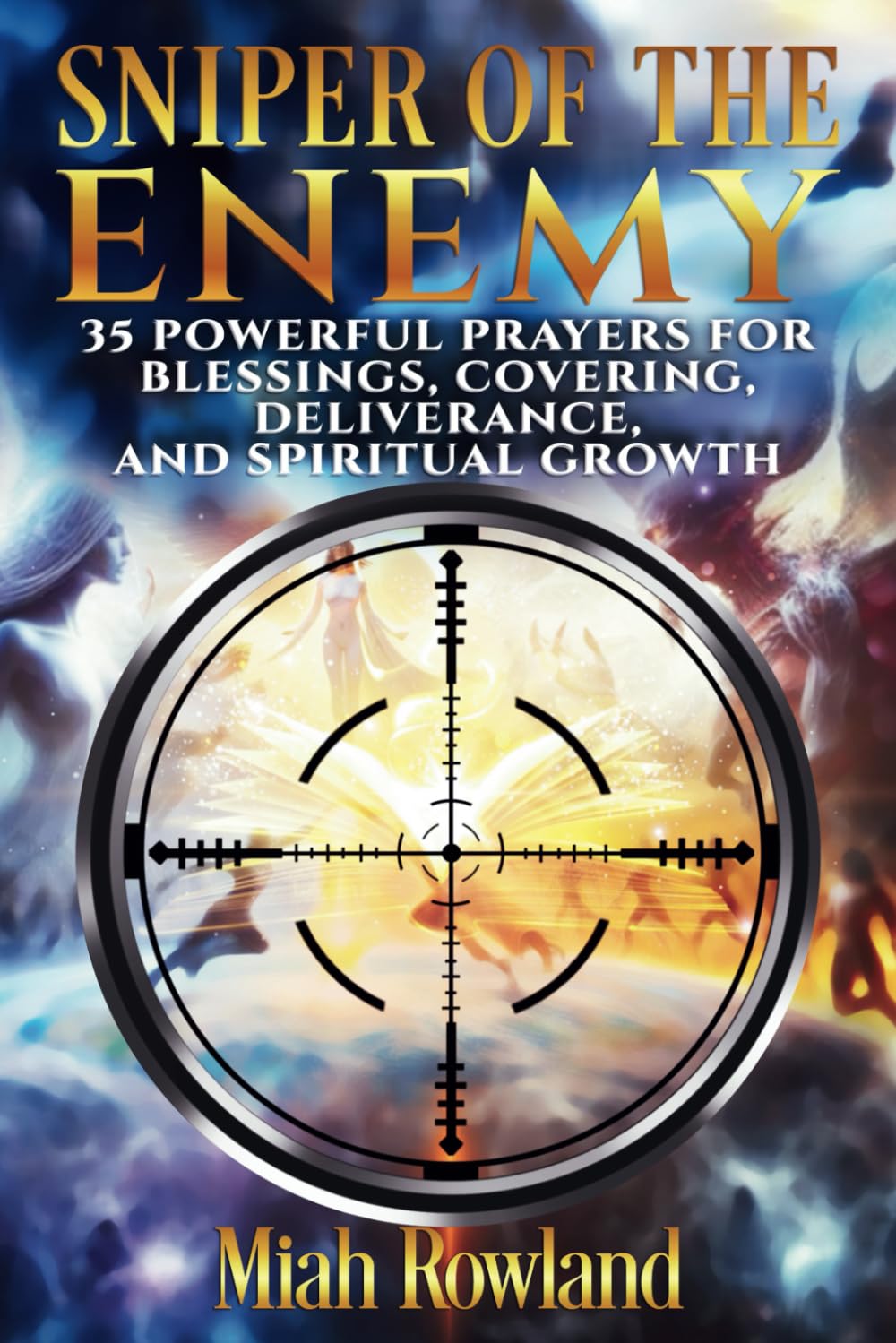
Sniper Of The Enemy: 35 POWERFUL PRAYERS... |

INMACULADO CORAZÓN DE MARÍA NOVENA: Hist... |

Telegraph Hill... |

Stations: Fictions & Nonfictions... |
|
|---|---|---|---|---|
| Price | $12.22 | $8.99 | $9.95 | $18.00 |
| Brand | Miah Rowland | P. Miguel Gómez | Arthur McGinn | Omer Siddharta |
| Merchant | Amazon | Amazon | Amazon | Amazon |
| Availability | In Stock | In Stock | In Stock | In Stock Scarce |