
The Theory of the Arts (Princeton Legacy Library)
$18.50
| Brand | Francis Edward Sparshott |
| Merchant | Amazon |
| Category | Books |
| Availability | Unknown Availability |
| SKU | 0691101302 |
| Age Group | ADULT |
| Condition | NEW |
| Gender | UNISEX |
| Google Product Category | Media > Books |
| Product Type | Books > Subjects > Arts & Photography > History & Criticism > History |
About this item
The Theory of the Arts (Princeton Legacy Library)
In a systematic overview of classical and modern contributions to aesthetics, Professor Sparshott argues that all four lines of theory, and no others, are necessary to coherent thinking about art. Originally published in 1982. The Princeton Legacy Library uses the latest print-on-demand technology to again make available previously out-of-print books from the distinguished backlist of Princeton University Press. These editions preserve the original texts of these important books while presenting them in durable paperback and hardcover editions. The goal of the Princeton Legacy Library is to vastly increase access to the rich scholarly heritage found in the thousands of books published by Princeton University Press since its founding in 1905. The Theory of the Arts By Francis Sparshott PRINCETON UNIVERSITY PRESS Copyright © 1982 Princeton University Press All rights reserved. ISBN: 978-0-691-10130-9 Contents PREFACE, vii, LIST OF ABBREVIATIONS, xiv, I. INTRODUCTION, 3, I. ARTS, II. THE CLASSICAL LINE 1: ARTS, 25, III. THE CLASSICAL LINE 2: ARTS OF DISENGAGED COMMUNICATION, 58, IV. THE CLASSICAL LINE 3: ARTS OF BEAUTY, 102, V. THE CLASSICAL LINE 4: ARTS OF IMAGINATION, 137, VI. THE CLASSICAL LINE 5: WHAT WORKS OF ART ARE, 145, VII. THE CLASSICAL LINE 6: WHAT WORKS OF ART ARE LIKE, 192, VIII. THE CLASSICAL LINE 7: THE CRITICAL FUNCTION, 234, IX. THE CLASSICAL LINE 8: THE ARTIST, 272, II. ART, X. THE IDEA OF ART, 283, XI. THE EXPRESSIVE LINE 1: ART AS EXPRESSION, 303, XII. THE EXPRESSIVE LINE 2: ARTS, WORKS, ARTISTS, 346, XIII. THE MYSTIC LINE, 371, XIV. THE PURIST LINE, 414, XV. CONCLUSION, 456, APPENDIXES, A. AESTHETIC THIS AND AESTHETIC THAT, 467, B. KINDS OF ART, 487, C. "GOOD", 494, NOTES, 503, BIBLIOGRAPHIC KEY TO WORKS CITED, 685, INDEX, 713, CHAPTER 1 INTRODUCTION Art and Its Theory Art is a simple matter. Consider five objects, all familiar at least by proxy: Leonardo's Mona Lisa, Shakespeare's Hamlet, Beethoven's Eroica, Dante's Divine Comedy, Michelangelo's David. Each of these is a work of art, if anything is; we would be more surprised if a history of the relevant art left them out than if it included them. Suppose now that you found the experience of looking at, listening to, or reading one of these neither enjoyable nor interesting. You would then feel entitled to say that either you were not up to it (it was beyond you, or was not your kind of thing, or you were not in the mood) or it was no good. That is, you would have no doubt as to what standard should be applied in deciding if it was any good, although you yourself might be in no position to apply it. And the standard in each case would be essentially the same. There is really no doubt about what these things are for. If they were not made for that (something we might not know), at least that is what they are produced and promulgated, preserved and prized for; they are expected to provide worthwhile experiences merely in being listened to, looked at, or read. The less doubt we have that that is what a thing is for, the more confidently we take it to be a work of art. All that part of life which consists of the production, enjoyment, study, and other activity in relation to such objects we refer to in a loose and vague way as "art"; the practices of producing different sorts of them are the arts, and the people who produce them are artists. There is, then, really no problem about what art is and what art is for. Nor is there anything that cries out for explanation in the practice of art. It is plainly something that people find engrossing and enjoyable in all its aspects. We see everywhere people intensely absorbed in the production of works of art for themselves and others, and other people hardly less intent on the enjoyment of scrutinizing them. How could anything so evidently found to be of such direct value be considered problematic, or be thought to stand in need of theory? Of course, art might distract one from other valuable or necessary occupations, but that is only because one cannot do two things at once, and every good is a potential rival of every other good. One might indeed say that art is put to many uses, and claimed to serve many purposes, and that these uses and purposes call urgently for examination. But why should they? They will be extraneous to the value for which art is evidently prized and practiced; why should we concern ourselves with such incidental advantages? May there be many such! It is not in this sense that a good stands in the way of another good. Art theory seems to be much more of a problem than art is, because the purport of art theory is to place restrictions on the manifold good of art, or to impose extraneous demands on what is already found sufficiently good. All sorts of problems lurk beneath the surface of what I have just written. These problems are what books like this one deal with. But the surface itself is clear, and it
| Brand | Francis Edward Sparshott |
| Merchant | Amazon |
| Category | Books |
| Availability | Unknown Availability |
| SKU | 0691101302 |
| Age Group | ADULT |
| Condition | NEW |
| Gender | UNISEX |
| Google Product Category | Media > Books |
| Product Type | Books > Subjects > Arts & Photography > History & Criticism > History |
Similar Products









Compare with similar items
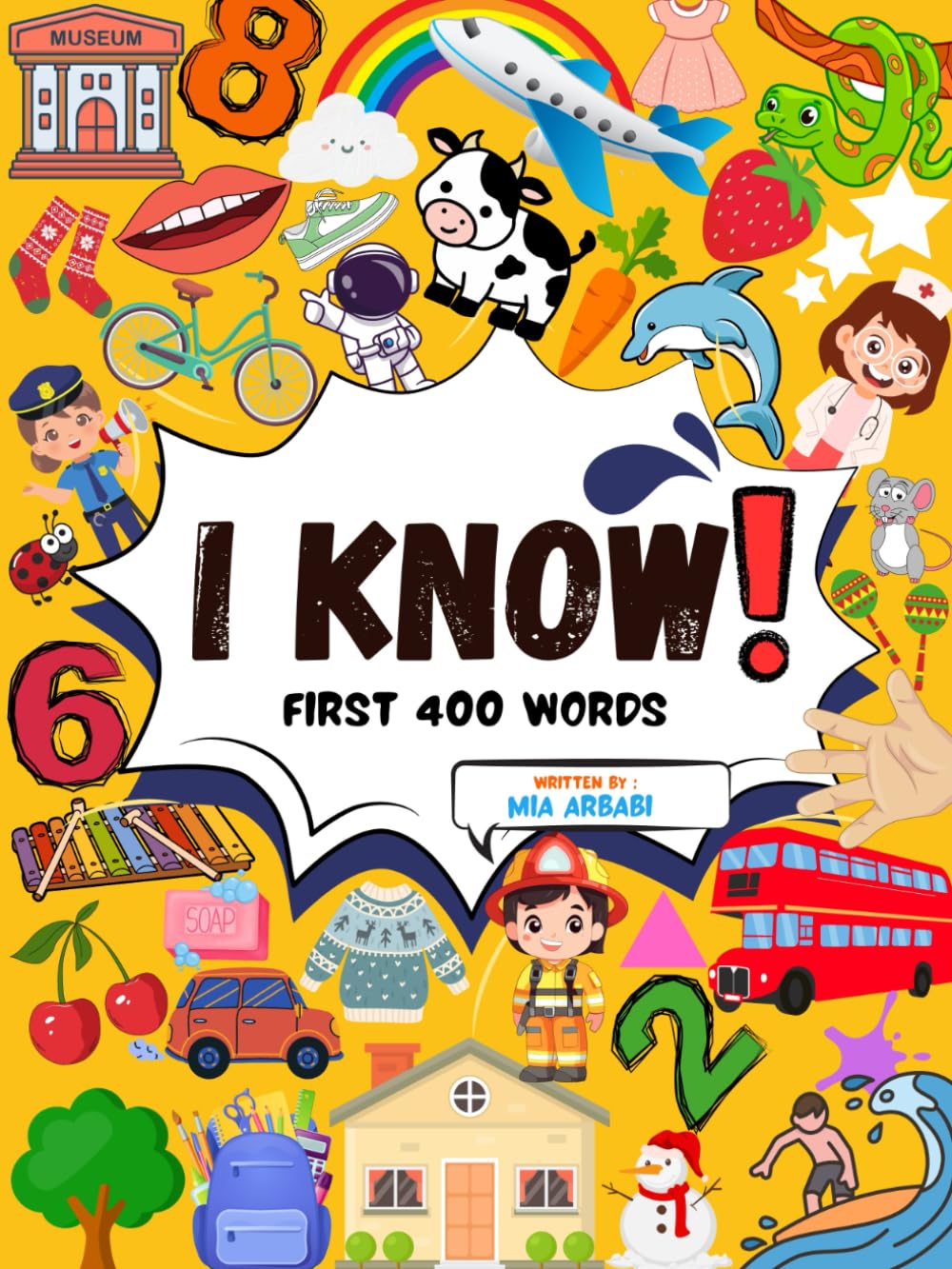
I Know! First 400 Words: Useful Vocabula... |

Growing Your Program for School Counselo... |

Pennsylvania Bucket List: Explore 150 To... |

L'énergie du 12 " L'attente ": De la déc... |
|
|---|---|---|---|---|
| Price | $10.99 | $20.00 | $16.99 | $10.03 |
| Brand | Mrs Mia Arbabi | Laura Rankhorn | Edward Sinclair | Amandine Coupez |
| Merchant | Amazon | Amazon | Amazon | Amazon |
| Availability | In Stock | In Stock | In Stock | In Stock |