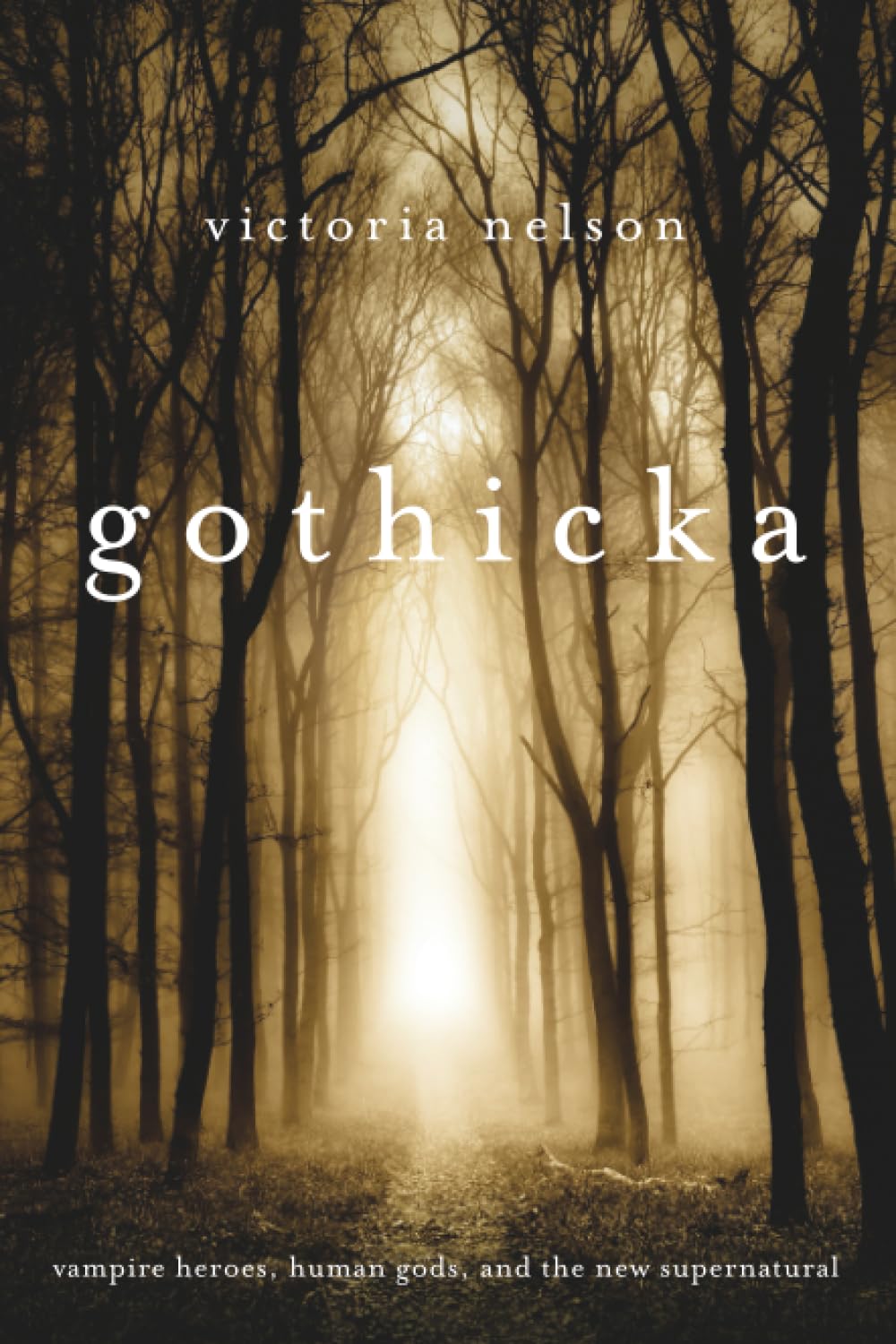
Gothicka: Vampire Heroes, Human Gods, and the New Supernatural
$32.00
| Brand | Nelson |
| Merchant | Amazon |
| Category | Books |
| Availability | In Stock |
| SKU | 0674725921 |
| Age Group | ADULT |
| Condition | NEW |
| Gender | UNISEX |
| Google Product Category | Media > Books |
| Product Type | Books > Subjects > Literature & Fiction > History & Criticism > Movements & Periods > Gothic & Romantic |
About this item
Gothicka: Vampire Heroes, Human Gods, and the New Supernatural
The Gothic, Romanticism's gritty older sibling, has flourished in myriad permutations since the eighteenth century. In Gothicka, Victoria Nelson identifies the revolutionary turn it has taken in the twenty-first. Today's Gothic has fashioned its monsters into heroes and its devils into angels. It is actively reviving supernaturalism in popular culture, not as an evil dimension divorced from ordinary human existence but as part of our daily lives. To explain this millennial shift away from the traditionally dark Protestant post-Enlightenment Gothic, Nelson studies the complex arena of contemporary Gothic subgenres that take the form of novels, films, and graphic novels. She considers the work of Dan Brown and Stephenie Meyer, graphic novelists Mike Mignola and Garth Ennis, Christian writer William P. Young (author of The Shack ), and filmmaker Guillermo del Toro. She considers twentieth-century Gothic masters H. P. Lovecraft, Anne Rice, and Stephen King in light of both their immediate ancestors in the eighteenth century and the original Gothic-the late medieval period from which Horace Walpole and his successors drew their inspiration. Fictions such as the Twilight and Left Behind series do more than follow the conventions of the classic Gothic novel. They are radically reviving and reinventing the transcendental worldview that informed the West's premodern era. As Jesus becomes mortal in The Da Vinci Code and the child Ofelia becomes a goddess in Pan's Labyrinth, Nelson argues that this unprecedented mainstreaming of a spiritually driven supernaturalism is a harbinger of what a post-Christian religion in America might look like. “[A] spirited examination of the role of pulp Gothic fiction in contemporary culture… Nelson’s overview of the origins of the Gothic genre and its later ramification into sub-genres such as the ghost story, vampire tale, esoteric thriller and post-apocalyptic survival narrative is lively and sharp. She is equally at home discussing high and low art, and is at her most persuasive when tracing the literary evolution of specific motifs.” ― Elizabeth Lowry , Wall Street Journal “In Gothicka , [Nelson] shows how contemporary films, video games, graphic novels and television series have reinvented and transformed the Catholic iconography of the late medieval period and how the Gothic has even offered ‘a vehicle for developing the frameworks of new religious movements.’” ― Max Fincher , Times Literary Supplement “Nelson knows her turf and, unlike many academics who dine below the salt, she gives the impression of being genuinely affectionate towards her disreputable subject matter. She is sometimes thought-provoking and has clearly read more proper historians and solid thinkers than most pop-culture pundits.” ― Kevin Jackson , Literary Review “ Gothicka is a well-articulated, compelling argument towards a new understanding of the Gothic as a spiritual portal.” ― Whitney Borup , Quarterly West “A fun, well-written and original read that offers flashes of insight.” ― Deborah D. Rogers , Times Higher Education “With this brilliant encyclopedic study of gothic literature, film, and culture, Nelson continues the exploration of the gothic she began in The Secret Life of Puppets . Although (as she states) she does not try to survey, or position herself within, the area of gothic scholarship, her scholarship is solid, referencing major scholars such as Fred Botting. This is not dry, difficult reading; the book can be enjoyed by anyone interested in the gothic, including aspects of it that have not been extensively explored. Nelson focuses mainly on 21st-century examples, while providing an excellent background of earlier works and connecting them to contemporary works in unusual ways. In addition to cultural crazes such as Stephanie Meyer’s Twilight series and Dan Brown’s novels, she includes chapters on gothic performance art such as the Christian ‘Hell House,’ which she connects to the medieval European mystery plays. Including extended discussions of Guillermo del Toro’s films, William Young’s unusual Christian novel The Shack , and new interpretations of Lovecraft and his influence, the book provides a refreshing exploration of a subject that has in recent years tended to be overdone.” ― L. J. Larson , Choice “This highbrow yet accessible analysis of a genre dedicated to ‘outrageousness’ and ‘lowbrow ways’ will appeal to history, literature, and pop culture buffs in addition to studious devotees of the domain.” ― Jillian Mandelkern , Library Journal “This is an admirable, strong, and original book, a worthy sequel to The Secret Life of Puppets . Nelson’s prose is clear and restrained, very winning and illuminating of the dark corners in 21st-century America and beyond in a stricken world. I can think of no rival works this substantial.” ― Harold Bloom, Yale University “Where else can Vijay Mishra’s The Gothic Sublime trade shadows with Stephenie
| Brand | Nelson |
| Merchant | Amazon |
| Category | Books |
| Availability | In Stock |
| SKU | 0674725921 |
| Age Group | ADULT |
| Condition | NEW |
| Gender | UNISEX |
| Google Product Category | Media > Books |
| Product Type | Books > Subjects > Literature & Fiction > History & Criticism > Movements & Periods > Gothic & Romantic |
Similar Products




Compare with similar items

Bali'... |

Inspire and Color: The art of Inspiratio... |

Everyday Daredevil: Becoming a Risk Take... |
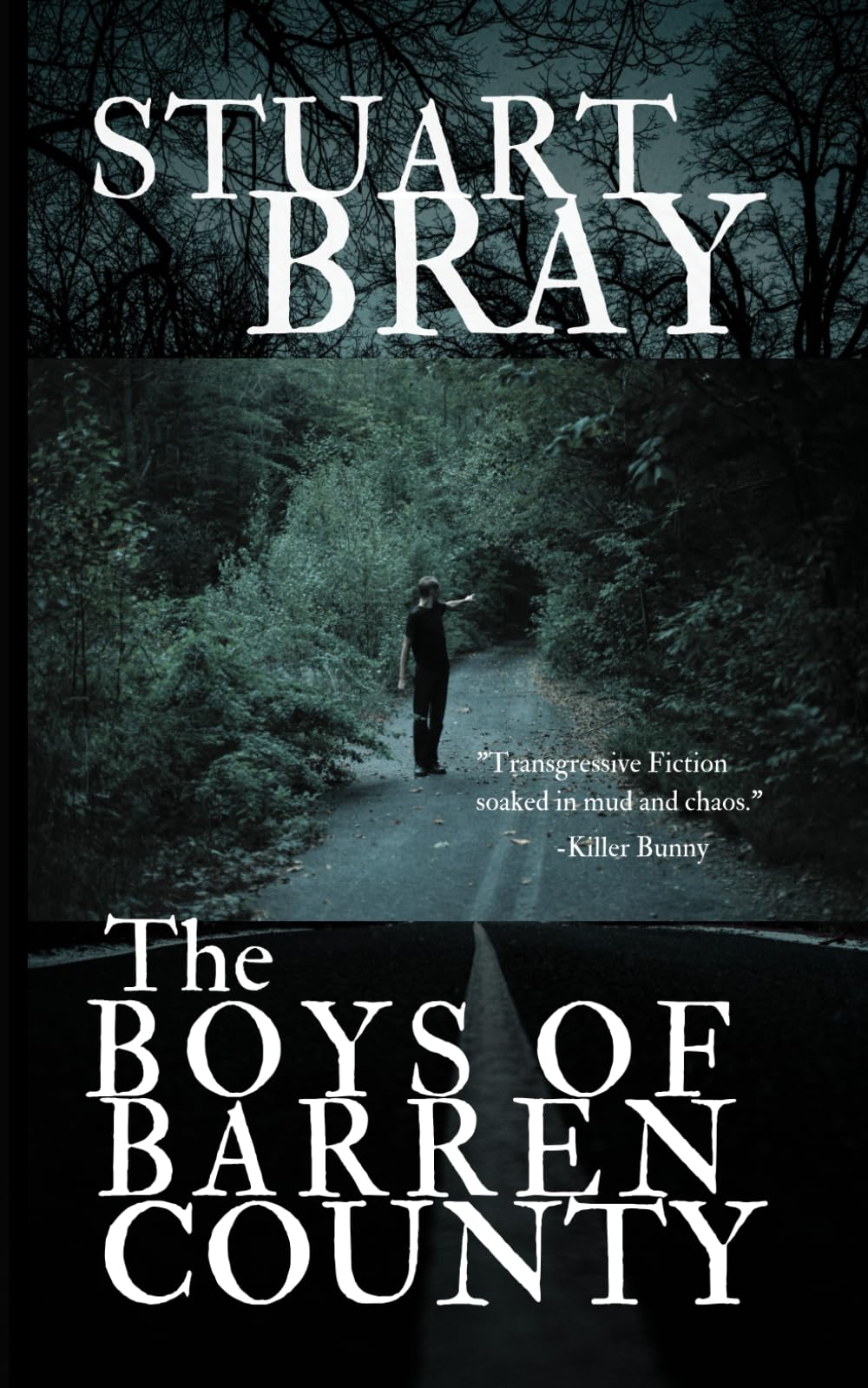
The boys of Barren County... |
|
|---|---|---|---|---|
| Price | $209.99 | $6.84 | $9.99 | $10.25 |
| Brand | NOVICA | Grace A. Kelly PhD | Monica Swope | stuart bray |
| Merchant | Novica | Amazon | Amazon | Amazon |
| Availability | In Stock | In Stock | In Stock | In Stock |