
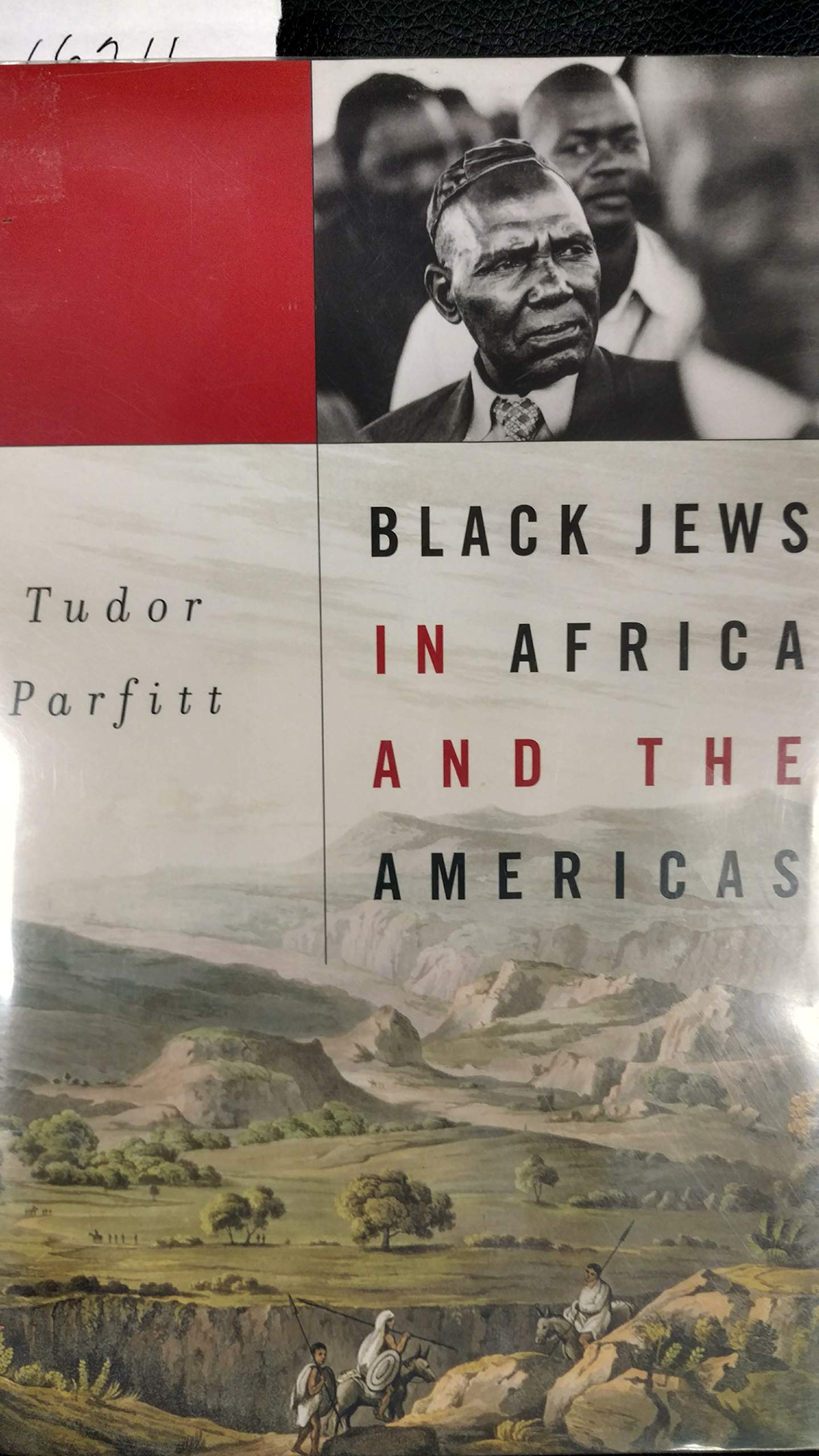
Black Jews in Africa and the Americas (The Nathan I. Huggins Lectures)
$42.00
| Brand | Tudor Parfitt |
| Merchant | Amazon |
| Category | Books |
| Availability | In Stock Scarce |
| SKU | 0674066987 |
| Age Group | ADULT |
| Condition | NEW |
| Gender | UNISEX |
About this item
Black Jews in Africa and the Americas (The Nathan I. Huggins Lectures)
Black Jews in Africa and the Americas tells the fascinating story of how the Ashanti, Tutsi, Igbo, Zulu, Beta Israel, Maasai, and many other African peoples came to think of themselves as descendants of the ancient tribes of Israel. Pursuing medieval and modern European race narratives over a millennium in which not only were Jews cast as black but black Africans were cast as Jews, Tudor Parfitt reveals a complex history of the interaction between religious and racial labels and their political uses. For centuries, colonialists, travelers, and missionaries, in an attempt to explain and understand the strange people they encountered on the colonial frontier, labeled an astonishing array of African tribes, languages, and cultures as Hebrew, Jewish, or Israelite. Africans themselves came to adopt these identities as their own, invoking their shared histories of oppression, imagined blood-lines, and common traditional practices as proof of a racial relationship to Jews. Beginning in the post-slavery era, contacts between black Jews in America and their counterparts in Africa created powerful and ever-growing networks of black Jews who struggled against racism and colonialism. A community whose claims are denied by many, black Jews have developed a strong sense of who they are as a unique people. In Parfitt’s telling, forces of prejudice and the desire for new racial, redemptive identities converge, illuminating Jewish and black history alike in novel and unexplored ways. For at least the past two centuries, the majority of Jews were of European ancestry and could be broadly categorized as Caucasian. Yet, from Ethiopia to the Yemens to China, there existed individuals and communities of “people of color” who were either Jewish or considered themselves linked to Jews culturally, even genetically. Parfitt presents a survey of some of these groups while showing how their ethnic identities were used and manipulated by various Western imperialists, missionaries, and ethnologists for their own purposes. Some groups, like the Falasha of Ethiopia, were undoubtedly Jewish. Other groups, like the Maasai of east Africa and the Ashanti of west Africa, claimed links with the ancient Hebrews, based essentially on a few of their religious practices. European racial theorists were attracted to these African links as proof of the “mongrel” origins of Jews. Missionaries found supposed remnants of the Lost Tribes of Israel. Imperialists saw a chance to differentiate culturally “superior” African groups from the “primitive” ones. Parfitt has provided a well-researched and informative study of these groups and their place in the wider debates concerning the forging of religious and ethnic identities. --Jay Freeman “In throwing light on the source of our beliefs, Parfitt makes transparently clear how prejudice and desire for status, to cite just two verities of human behavior, interact with ever-changing features of the political and economic landscape to transform human identities.” ― Gloria Levitas , Moment “In this compact but compelling study, Parfitt presents a fascinating account of the origins of black Jews in the modern period.” ― A. Mendelsohn , Choice “In this wide-ranging cultural examination of the intersections of blackness and Jewishness, [Parfitt] focuses primarily on blacks who claim, or have had ascribed to them by anthropologists and other intellectuals, Jewish origins or characteristics. Parfitt discusses the Beta Israel of Ethiopia and the Lemba of southern Africa (DNA testing has revealed that members of the Lemba have genetic links to Semitic peoples), as well as more ideologically driven movements, such as postimperial black African Jews… Supported by a large cast of thinkers and religious leaders, this brief but extensive look at a partly authentic, largely invented ethnic-religious identity will interest students of religion, race relations, and postcolonialism.” ― Publishers Weekly “For at least the past two centuries, the majority of Jews were of European ancestry and could be broadly categorized as Caucasian. Yet, from Ethiopia to the Yemens to China, there existed individuals and communities of ’people of color’ who were either Jewish or considered themselves linked to Jews culturally, even genetically… Parfitt has provided a well-researched and informative study of these groups and their place in the wider debates concerning the forging of religious and ethnic identities.” ― Jay Freeman , Booklist “Anyone interested in understanding how and why discussions of Africana Judaisms have such vast and varied participants―from Orthodox Rabbis to Pan-Africanist icons, from mouth-swabbing geneticists to human rights advocates―will find the answers in this masterful new offering from one of the world’s most knowledgeable scholars on the topic.” ― John L. Jackson, Jr., author of Real Black: Adventures in Racial Sincerity “Moving from Lost Tribes in Africa to Black Jews in the United States, and fro
| Brand | Tudor Parfitt |
| Merchant | Amazon |
| Category | Books |
| Availability | In Stock Scarce |
| SKU | 0674066987 |
| Age Group | ADULT |
| Condition | NEW |
| Gender | UNISEX |
Similar Products








Compare with similar items

San Cristobal Valley,'Handwoven Hand Emb... |

Understanding Eating Disorders: Take a J... |
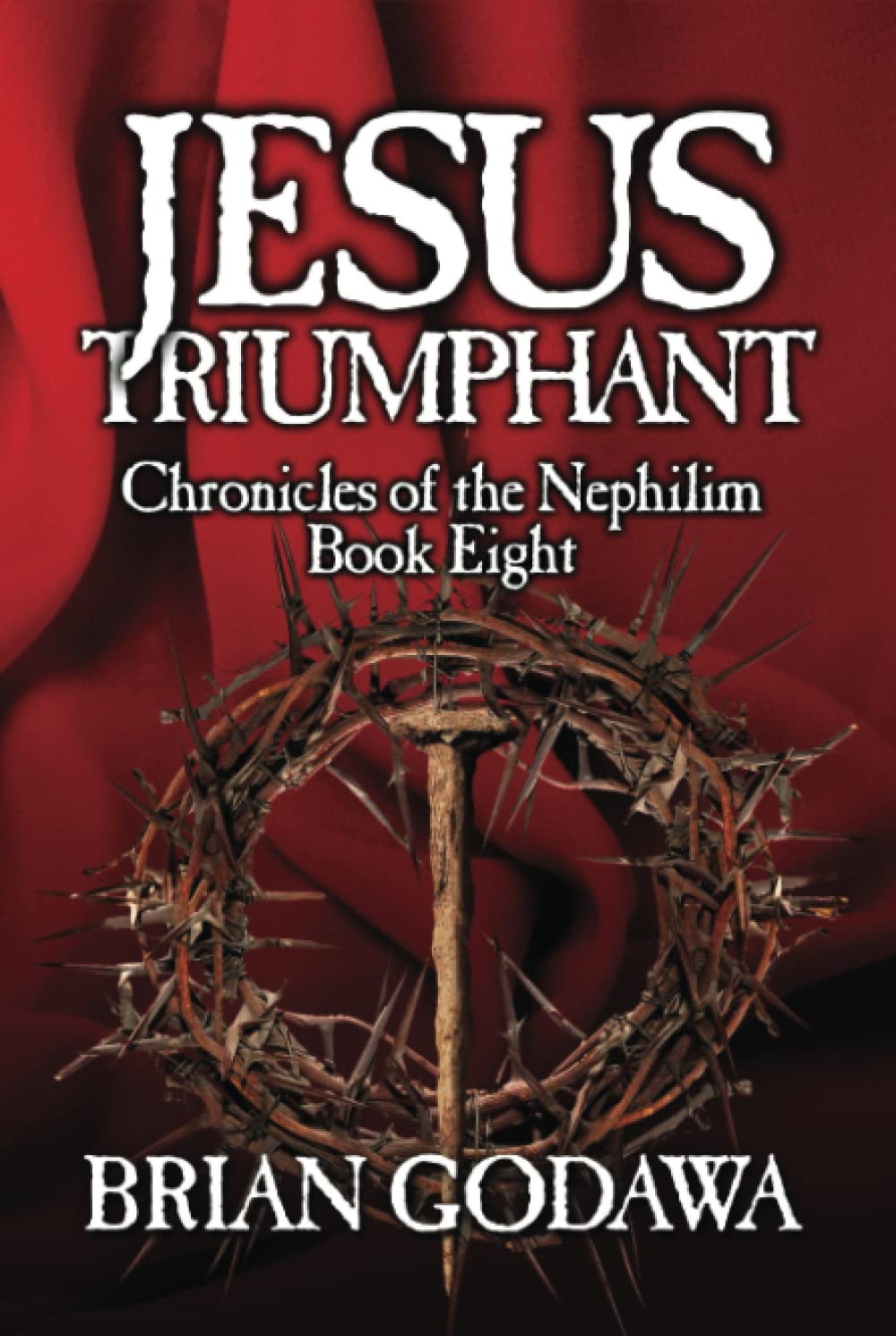
Jesus Triumphant (Chronicles of the Neph... |

Inspired by History The Nevada Day Parad... |
|
|---|---|---|---|---|
| Price | $17.99 | $12.99 | $27.95 | $15.00 |
| Brand | NOVICA | Erica May | Brian Godawa | Chantell Peck |
| Merchant | Novica | Amazon | Amazon | Amazon |
| Availability | In Stock | In Stock | In Stock | In Stock |