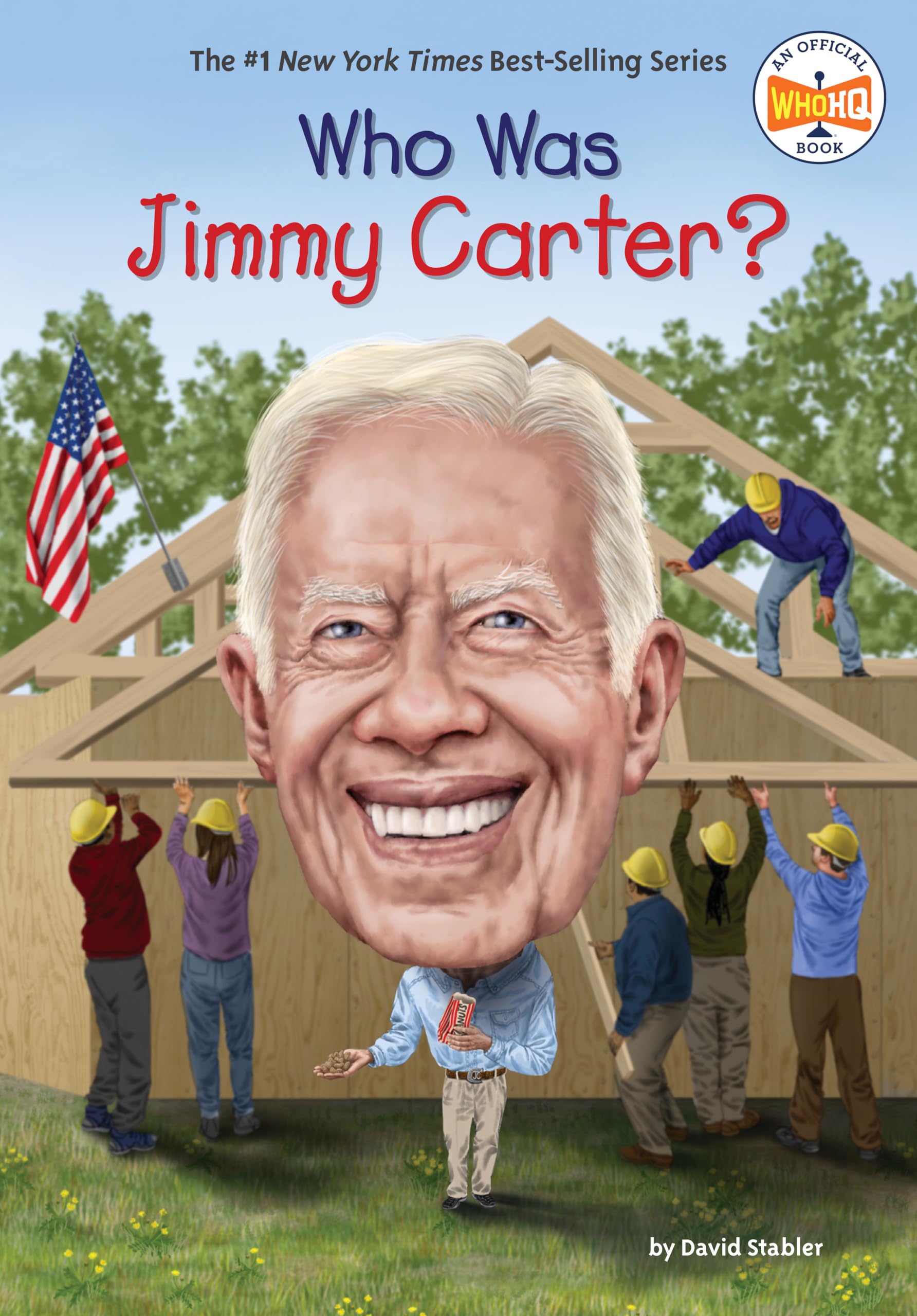
Who Was Jimmy Carter?
$5.50
| Brand | David Stabler |
| Merchant | Amazon |
| Category | Books |
| Availability | In Stock |
| SKU | 0593387384 |
| Color | Multicolor |
| Age Group | ADULT |
| Condition | NEW |
| Gender | UNISEX |
| Google Product Category | Media > Books |
| Product Type | Books > Subjects > Children's Books > History > United States > 1900s |
About this item
Who Was Jimmy Carter?
How did a peanut farmer from a small town in Georgia become the 39th President of the United States? Find out in this addition to the #1 New York Times best-selling Who Was? series! Everyone was rather surprised when small-town farmer Jimmy Carter first announced that he’d be running for president in 1976. When Jimmy told his mother, she replied, “President of what?” But this former naval officer and governor of Georgia was ready for the role. Jimmy Carter went on to become one of America’s most beloved political figures thanks to his honesty, strong faith, and compassion. Today, Jimmy Carter is remembered for his dedication to helping Americans through his extensive work as a philanthropist. He and his wife, Rosalynn, volunteered with Habitat for Humanity, building houses for the less fortunate and inspiring others to a life of service. Who Was Jimmy Carter? details the entire life of Jimmy Carter, beginning with his 1924 birth in Plains, Georgia. Readers will learn about his life as a peanut farmer, a Sunday school teacher, a president, a Nobel Prize winner, and more. David Stabler is the author of several books, including Kid Scientists: True Tales of Childhood from Science Superstars and Who Is Dale Earnhardt Jr.? He lives in Brooklyn, New York. Who Is Jimmy Carter? Peanuts. At first, that’s all America knew about Jimmy Carter. He was the peanut farmer from Georgia who was running for president of the United States in 1976. And since Americans had not elected a person from the southeastern United States to the White House since Virginian Woodrow Wilson in 1916, he wasn’t given much of a chance. In fact, Jimmy Carter was so unknown outside of Georgia, he had to introduce himself to people at his own campaign stops. “Hello, I’m Jimmy Carter, and I’m running for president,” he would say, and flash his wide grin. Besides peanuts, the one other thing that stood out about Jimmy Carter was his smile. It quickly became the second thing people recognized about the former Georgia governor. Before long, Jimmy got the idea to combine the two things. He started using a smiling cartoon peanut as his campaign logo. Now, whenever anyone thought of peanuts or really big smiles, they thought of Jimmy Carter. Jimmy began traveling across America in a special campaign plane he called Peanut One. He gave out bags of peanuts with his smiling face on the front. People liked his down--home image. They sensed he was a regular person, like them, and not just another politician. More importantly, they began paying attention to him. The more they listened, the more they liked what he had to say. They learned that Jimmy Carter was more than just a peanut farmer. He was a nuclear engineer, a navy veteran, and a leader in his church. He had been a popular governor of Georgia who favored civil rights for Black Americans. He was known for being honest and straightforward with people—-and he had a plan to lead the country. Slowly but surely, Jimmy won over those who said he could never be elected. Now, when people asked “Who is Jimmy Carter?” the answer was simple: possibly the next president of the United States. Chapter 1: Farm Boy Home to many tiny family farms, southern Georgia has always been one of the poorest parts of the state. But the small town of Plains—-population six hundred—-was booming in 1924. That was the year James Earl Carter Jr. (who would be called Jimmy) was born, in the hospital where his mother worked as a nurse. Jimmy’s father ran the town’s general store. When Jimmy was four years old, his family left Plains and moved to the nearby town of Archery. There his father, James Earl Carter (who went by his middle name), owned a small farm where he grew cotton, peanuts, and sugarcane. Earl and his wife, Lillian, eventually had three more children: Gloria, Ruth, and William (called Billy). While Earl was a successful farmer, the Carters were not a wealthy family by any means. They had to pump their own water from a well, had no electricity, and had to go outside to use the bathroom. The open--air “privy” was just a hole cut into a plank of wood. For toilet paper, they used old newspapers. Farmwork kept Jimmy busy from sunup to sundown. Every day, his father paid him twenty--five cents to feed the hogs, trim the watermelon plants, and “mop the cotton”—-an especially disgusting job in which he smeared the cotton plants with a gooey bug--killing potion made from arsenic (a type of poison), molasses, and water. This homemade insecticide was so sweet--smelling that it attracted swarms of flies and honeybees, which followed Jimmy up and down the rows of cotton. By the end of a long day in the fields, Jimmy’s pants were so damp with poison that they actually stood up by themselves when he took them off. As tough as farmwork was, Jimmy liked the money he made doing it. When he was five, he hit upon his own scheme for putting a few extra coins in his pocket. Pe
| Brand | David Stabler |
| Merchant | Amazon |
| Category | Books |
| Availability | In Stock |
| SKU | 0593387384 |
| Color | Multicolor |
| Age Group | ADULT |
| Condition | NEW |
| Gender | UNISEX |
| Google Product Category | Media > Books |
| Product Type | Books > Subjects > Children's Books > History > United States > 1900s |
Similar Products






Compare with similar items

Lazy Dungeon Master (Manga) Vol. 11... |

Pandiculation Exercises For Elders After... |
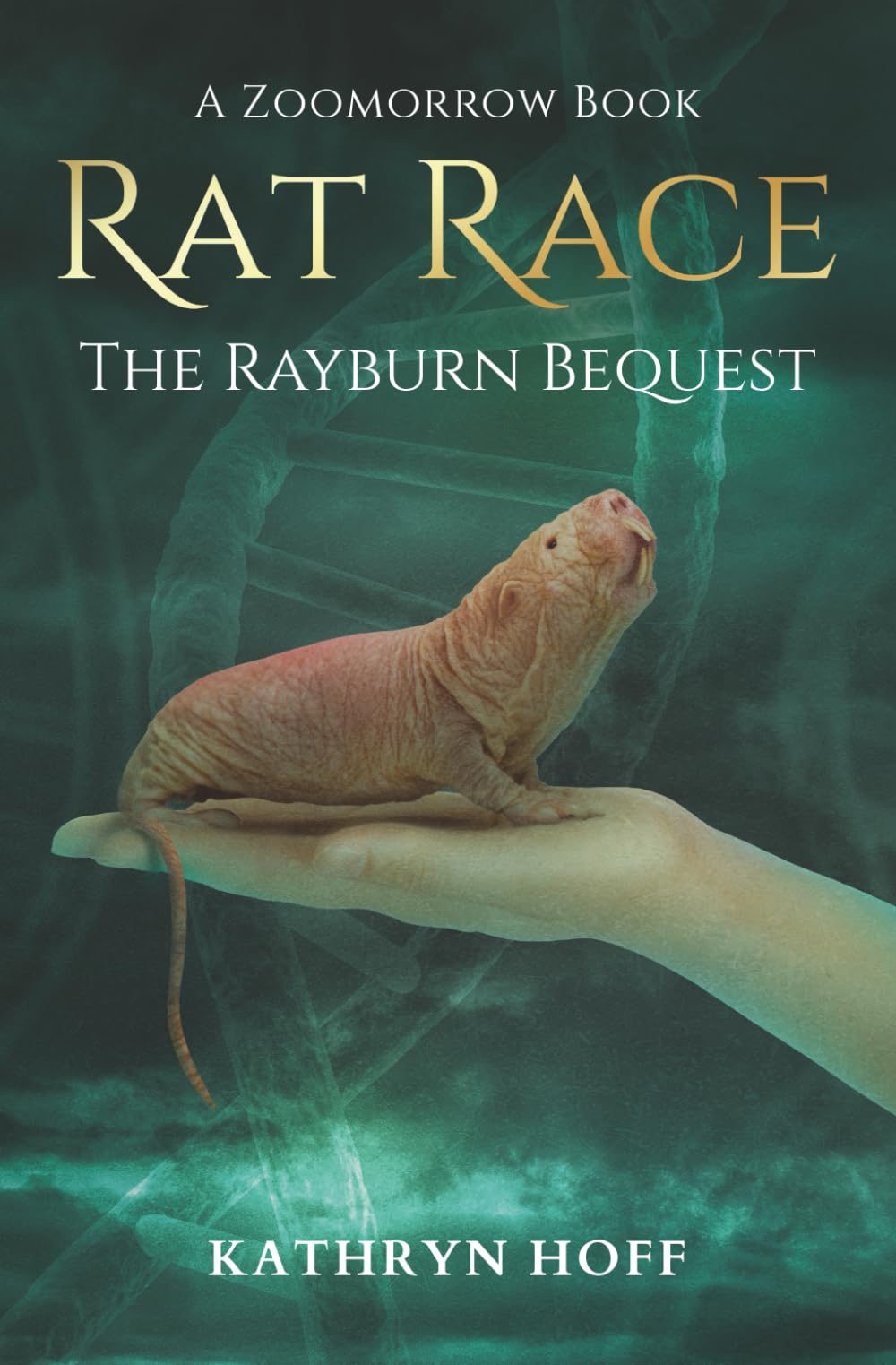
Rat Race: The Rayburn Bequest: A Zoomorr... |

Father and Son Coloring Book: Fun and He... |
|
|---|---|---|---|---|
| Price | $9.96 | $9.99 | $11.99 | $7.99 |
| Brand | Supana Onikage | Mary M. Bennett | Kathryn Hoff | SaBrina Patterson |
| Merchant | Amazon | Amazon | Amazon | Amazon |
| Availability | Available Date | In Stock | In Stock | In Stock |