
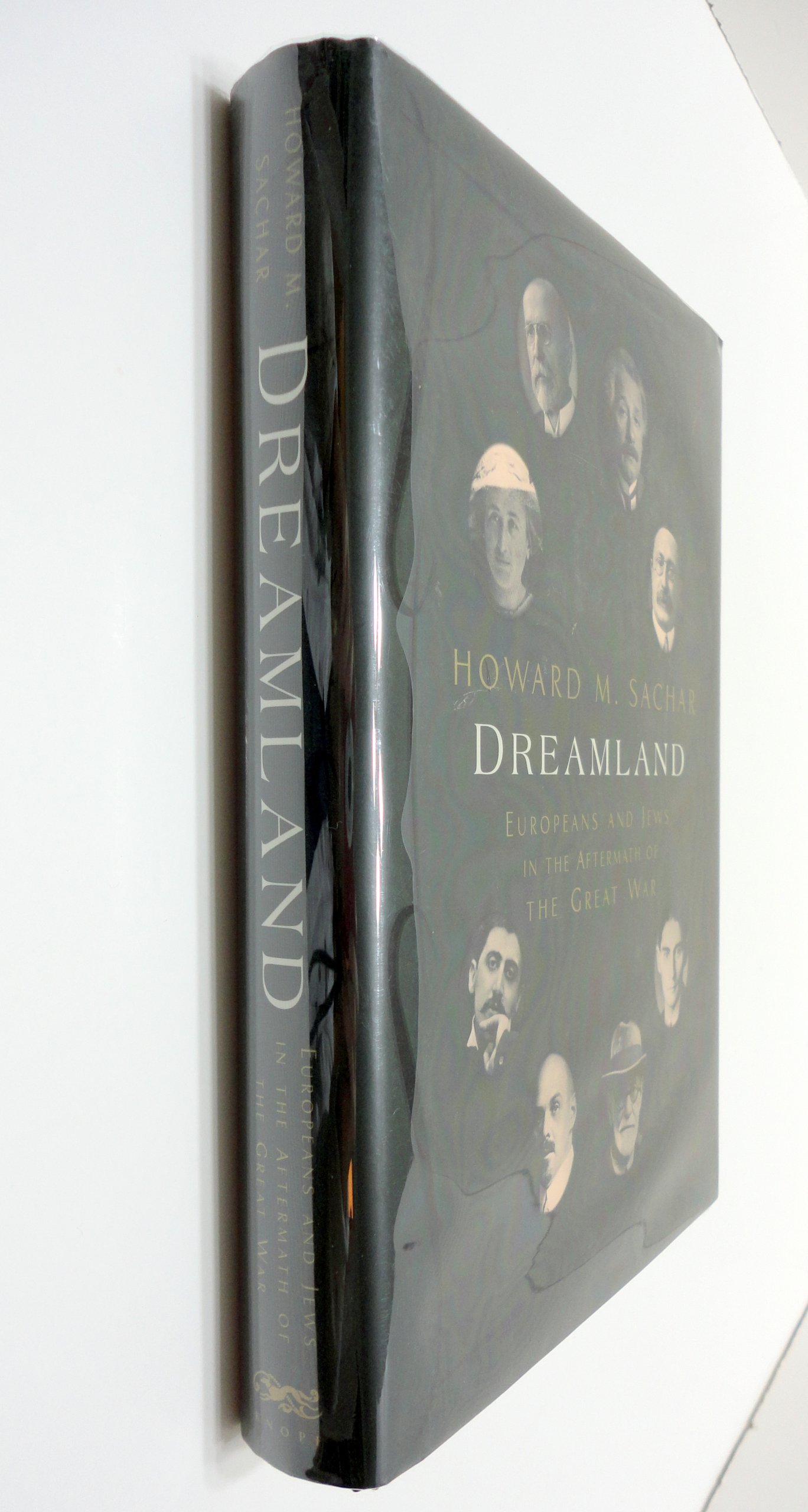
Dreamland: Europeans and Jews in the Aftermath of the Great War
$15.63
| Brand | Howard M. Sachar |
| Merchant | Amazon |
| Category | Books |
| Availability | In Stock Scarce |
| SKU | 0375409149 |
| Age Group | ADULT |
| Condition | NEW |
| Gender | UNISEX |
About this item
Dreamland: Europeans and Jews in the Aftermath of the Great War
The Great War, as World War I was known in its time, was described by its survivors and contemporary historians as “the war to end all wars,” “the war to make the world safe for democracy.” By its end, in November 1918, Europe’s authoritarian old empires had fallen, and new and seemingly democratic successor states and governments were rising from the ensuing debris. In chronicling an era that was both visionary and tempestuous, Howard M. Sachar directs our attention to the fate specifically of Europe’s Jewish minority as a classic litmus test of the Continent’s transformation. Writing with his characteristic lucidity and verve, Sachar enriches his narrative by focusing on the careers of some of its major players: Poland’s Józef Pi´lsudski, Rumania’s King Carol, Czechoslo-vakia’s Tomás? Masaryk, Austria’s Sigmund Freud, Germany’s Rosa Luxemburg, and France’s Léon Blum, among many other protean figures, Jews and Gentiles alike. With surgical precision, Dreamland traces the fate of Europe’s early postwar idealism under the pressures of demographic and political revolution, nationalist and economic frustration, and Depression-exacerbated xenophobia. In the richness of its human tapestry and the acuity of its social insights, Dreamland masterfully expands our understanding of a watershed era in modern history. Would a new, liberal, and ecumenical Europe emerge from the bloody horrors of World War I and the dismantling of long-entrenched autocracies? The answer, according to Howard Sachar's authoritative Dreamland , is a resounding "No." Sachar describes what we now know was the rapid collapse of post-war idealism by tracing the social and political fortunes of the continent's most fragile, resilient, and high-profile minority: the Jews. Though the bedrock of the book is a wide-ranging analysis of the highly complex European stew of nationalism, xenophobia, re-invention and revolutionary movements, Sachar manages to turn it into a narrative of sorts by focusing on the lives of a half-dozen or so "canaries in the mine": Sigmund Freud; Marcel Proust, Rosa Luxemburg, Franz Kafka, and Hungary's Bela Kun among them. Dreamland is a formidable work of erudition and scholarship; illuminating but extremely detailed and demanding. --H. O'Billovitch In a sweeping narrative, Sachar (history, George Washington Univ.) examines the fate of European Jewry in the aftermath of World War I. Chapters focus on such topics as Jewish life in Poland, where minority clauses in the Treaty of Versailles were supposed to protect Jewish rights, and the prominent role played by Hungarian Jews in the short-lived regime of Bla Kun. In addition to examining the motivations for Jewish participation in radical politics, Sachar analyzes Jewish intellectual life by focusing on prominent thinkers such as Kafka and Freud. Although Sachar tends to confirm the general picture of European Jewry's descent into marginal status at least on most parts of the continent he is careful not to portray Jews as merely passive victims, regarding them as active participants in the tumultuous events of the interwar years. In such a wide-ranging cultural survey, the author is dependent on a vast array of secondary literature, and Sachar has mined these sources to great effect. Although his bibliography lists mostly English-language references, this serves as a good starting point for both the advanced student and the general reader. Recommended for all libraries. Frederic Krome, Jacob Rader Marcus Ctr. of the American Jewish Archives, Cincinnati Copyright 2002 Cahners Business Information, Inc. In 1918, postwar Europe stood on the brink of a new era of optimism, justice, and freedom. Antiquated autocracies crumbled and new, seemingly invigorated nations rose from the carnage and the ashes of the Great War. At the forefront of the social and political revolutions that were transforming the continent were the European Jews. During the early years of this initially golden age, Jews and Gentiles together attempted to forge a new European identity. Unfortunately, nationalist tensions, economic hardships, societal pressures, and political partisanship combined to doom this unprecedented partnership and abruptly extinguished the promise of an invigorating social experiment. This scholarly analysis provides a completely original slant on the much-studied interwar period. Margaret Flanagan Copyright © American Library Association. All rights reserved “A portrait of a lost generation of idealists . . . densely packed with characters, ideological clashes and political narratives.” – The Washington Post “The sheer number of actors in this Jewish drama that stride across Sachar’s stage . . . is breathtaking. . . . An excellent book for those who wish to gain insight into the way we were.” — The Jerusalem Post “Dizzying in its complexity and breadth. . . . Sachar has a keen eye for historical detail, and a fine sense of narrative.” – Publishers Weekly From the
| Brand | Howard M. Sachar |
| Merchant | Amazon |
| Category | Books |
| Availability | In Stock Scarce |
| SKU | 0375409149 |
| Age Group | ADULT |
| Condition | NEW |
| Gender | UNISEX |
Similar Products










Compare with similar items

Surrender in Crime (Partners in Crime Ch... |
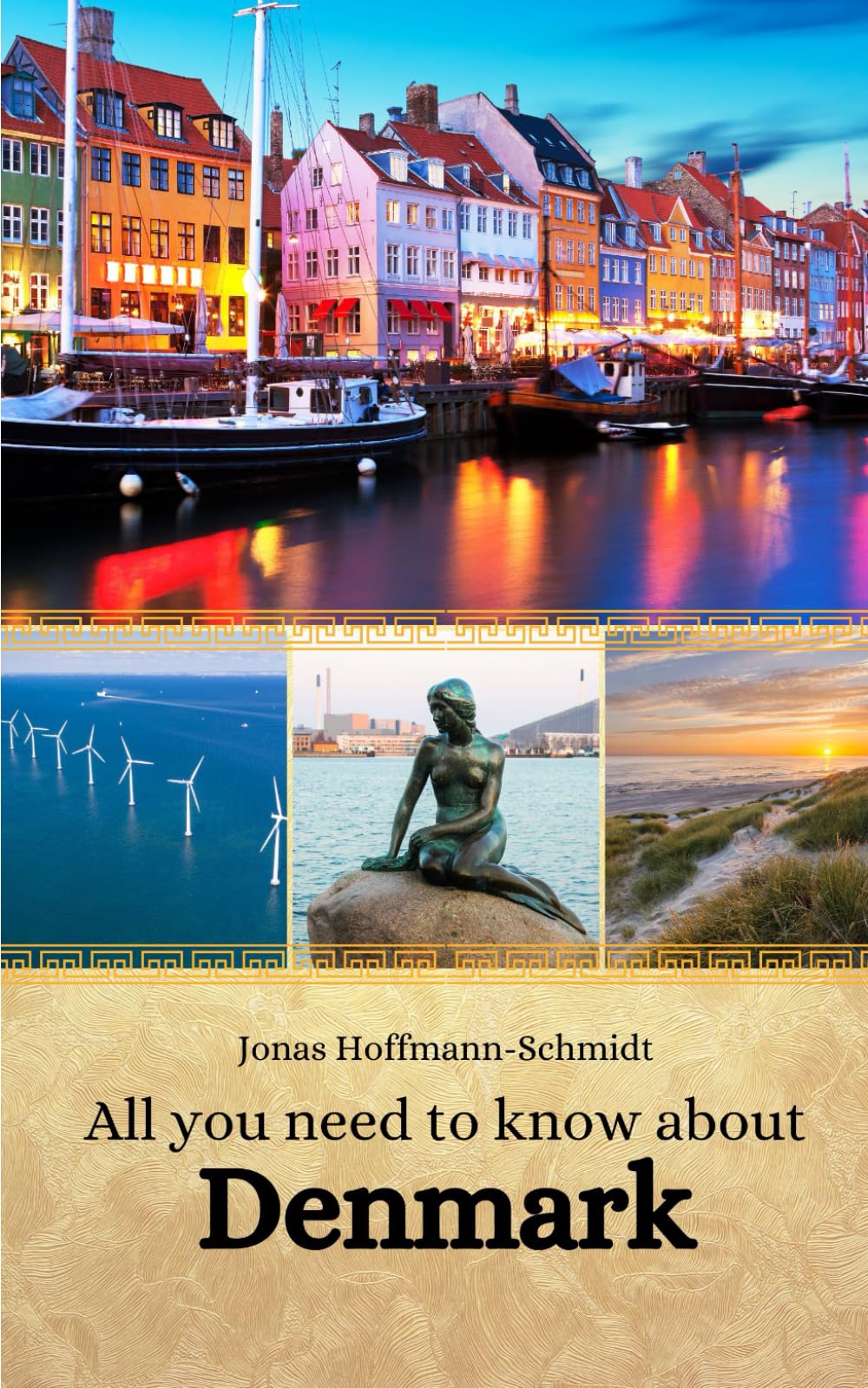
All you need to know about Denmark... |

Pelican 1450 Protector Waterproof Crushp... |

The Making of a Miracle: The Untold Stor... |
|
|---|---|---|---|---|
| Price | $14.99 | $11.99 | $194.95 | $19.99 |
| Brand | Elise Sax | Jonas Hoffmann-Schmidt | Pelican | Mike Eruzione |
| Merchant | Amazon | Amazon | Optics Planet | Amazon |
| Availability | In Stock | In Stock | In Stock | In Stock |