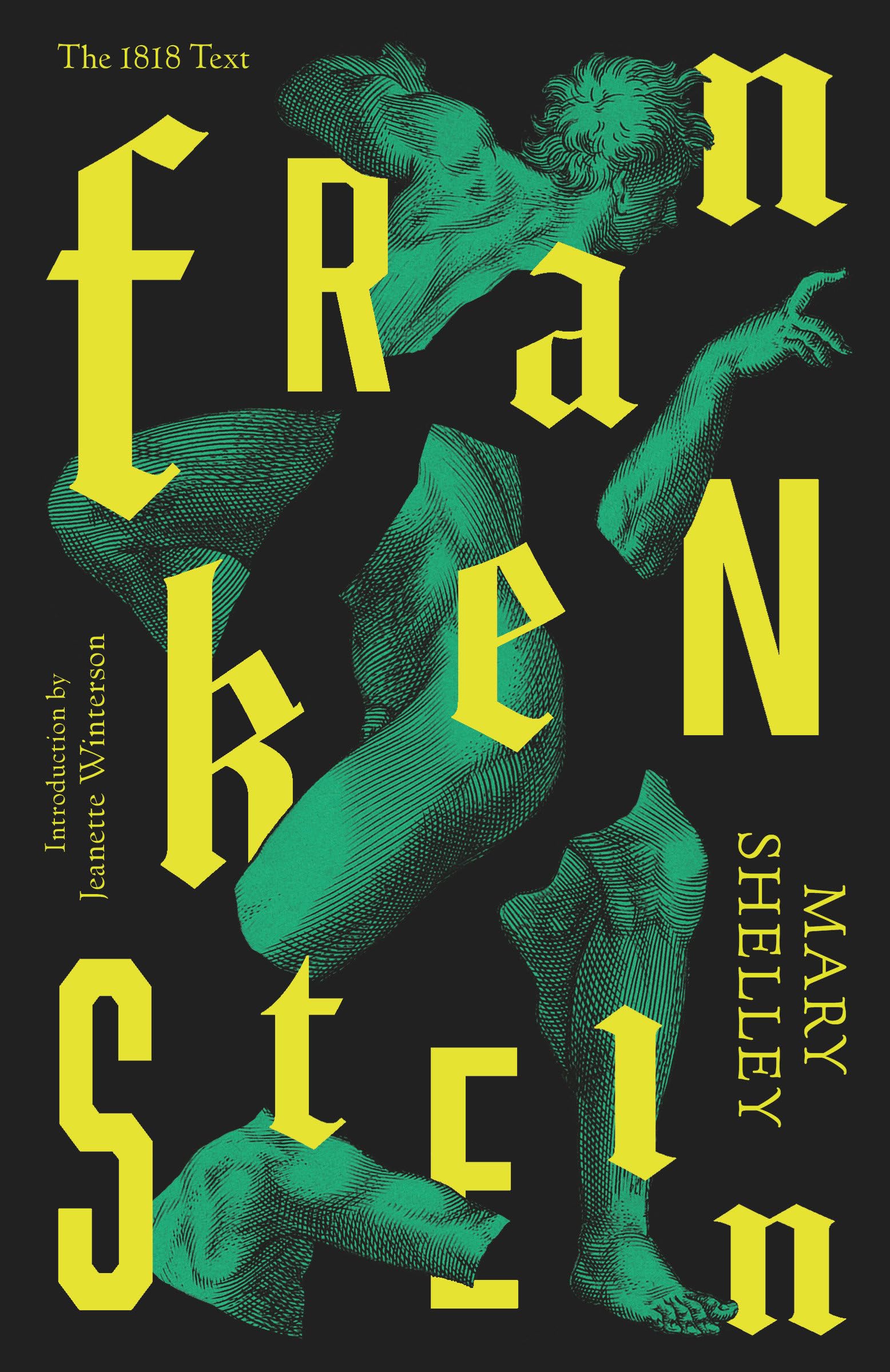
Frankenstein: Or The Modern Prometheus (Vintage Classics)
$12.00
| Brand | Mary Shelley |
| Merchant | Amazon |
| Category | Books |
| Availability | In Stock |
| SKU | 0307743314 |
| Color | Black |
| Age Group | ADULT |
| Condition | NEW |
| Gender | UNISEX |
| Google Product Category | Media > Books |
| Product Type | Books > Subjects > Literature & Fiction > Genre Fiction > Horror |
About this item
Frankenstein: Or The Modern Prometheus (Vintage Classics)
NOW A NETFLIX FILM • The most famous horror story in world literature—the original tale of a mad scientist and his monster—is also a profoundly moving masterpiece. Features a New Introduction by Jeanette Winterson When the scientist Victor Frankenstein attempts to create life in his laboratory, he sets in motion tragic forces beyond his control and faces losing everything he loves. No reader in the grip of Mary Shelley's novel, with its mythic-minded hero and its highly sympathetic monster who reads Goethe and longs to be at peace with himself, can fail to notice how much more excellent the original is than all the countless adaptations, imitations, and homages which have followed in its ample wake. In her first novel, written at the instigation of Lord Byron and published in 1818 (and revised in 1831), the teenaged Shelley managed to produce English Romanticism's finest prose fiction. This edition reproduces her original 1818 text. MARY SHELLEY was born Mary Wollstonecraft Godwin on August 30, 1797 in London, the daughter of William Godwin, a radical philosopher and novelist, and Mary Wollstonecraft, a renowned feminist and the author of A Vindication of the Rights of Woman. As a teenager, she eloped to France with the poet Percy Bysshe Shelley in 1814, although they were not married until 1816, after the suicide of his first wife. She began work on Frankenstein in 1816 in Switzerland, while they were staying with Lord Byron, and it was published in 1818 to immediate acclaim. She died in London in 1851. About the Introducer: JEANETTE WINTERSON was born in Manchester, England. After graduating from Oxford University she published her first novel at age 25, Oranges Are Not The Only Fruit , to widespread acclaim and a BAFTA for her BBC TV adaption. She has written ten novels for adults, as well as children’s books, non-fiction, and screenplays. She is Professor of New Writing at the University of Manchester. from the Introduction to the Vintage Classics Edition (2025) by Jeanette Winterson A new generation is reading Frankenstein in a new way. We are who Mary Shelley imagined we would be, more than two hundred years ago, when this nineteen-year-old woman vaulted across time. She landed here, with us, the first people on the planet to create a new kind of intelligence. An artificial life-form that we hope, or fear, will be faster, stronger, smarter. Not subject to the constraints of time as we are. A different kind of being. A different way of being. AI. American mathematician John McCarthy named computing power “artificial intelligence” in 1955. He did so to distinguish between the human mind—what we call natural intelligence—and what he, and his colleagues in the USA and Britain, were working to develop. The Bible tells us in the Book of Ecclesiastes that there is “nothing new under the sun.” This is no longer true. It hasn’t been true since America dropped the atomic bomb on Hiroshima and Nagasaki in 1945. From then on, humans have had the power to wipe out all of life on Earth. Since then, we have expanded the range of our self-destruct options. New under the sun is man-made climate breakdown. But we can trace it back to Mary Shelley’s time, the time of the industrial revolution, which started in the north of England in the late 1700s. My hometown of Manchester was the world’s first industrial city—exporting its name across the world. There are thirty Manchesters in the USA alone. The industrial revolution was the time when fossil fuels first came out of the ground in planet-changing quantities. Coal powered the movement from an agricultural society to an industrial society. Coal could also produce gas, and later, electricity. Number three new under the sun is AI. At present, AI is a tool, and humans are tool-using animals. The race in Silicon Valley is to develop AI into much more. A coworker with us. A non-biological life-form. Victor Frankenstein says, “If I could bestow animation on lifeless matter . . .” “Smart AI” can be embodied—from a self-driving car to a robot—or nonembodied, as are most cognitive and generative systems. As smart AI develops, it is likely that it could be both—and simultaneously—because AI is not a bounded condition in the way that biological entities are. It doesn’t have to be one thing in one place at one time. Put simply, AI is not made of meat. Victor Frankenstein must visit the charnel houses and graveyards for his collection of body parts. That’s how he gets going on his new life-form. We are learning how to do it using the zeros and ones of code. Both these new and hybrid forms of life—Victor’s monster, and maybe ours—are powered by electricity. Mary Shelley was reflecting her own time when she has Victor going about the ghoulish business of collecting body parts. If bodies could not be found aboveground—accidents, sudden death, victims of the death penalty—then grave-robbing would supply cadavers, or bits of them, to the medical schools.
| Brand | Mary Shelley |
| Merchant | Amazon |
| Category | Books |
| Availability | In Stock |
| SKU | 0307743314 |
| Color | Black |
| Age Group | ADULT |
| Condition | NEW |
| Gender | UNISEX |
| Google Product Category | Media > Books |
| Product Type | Books > Subjects > Literature & Fiction > Genre Fiction > Horror |
Similar Products







Compare with similar items
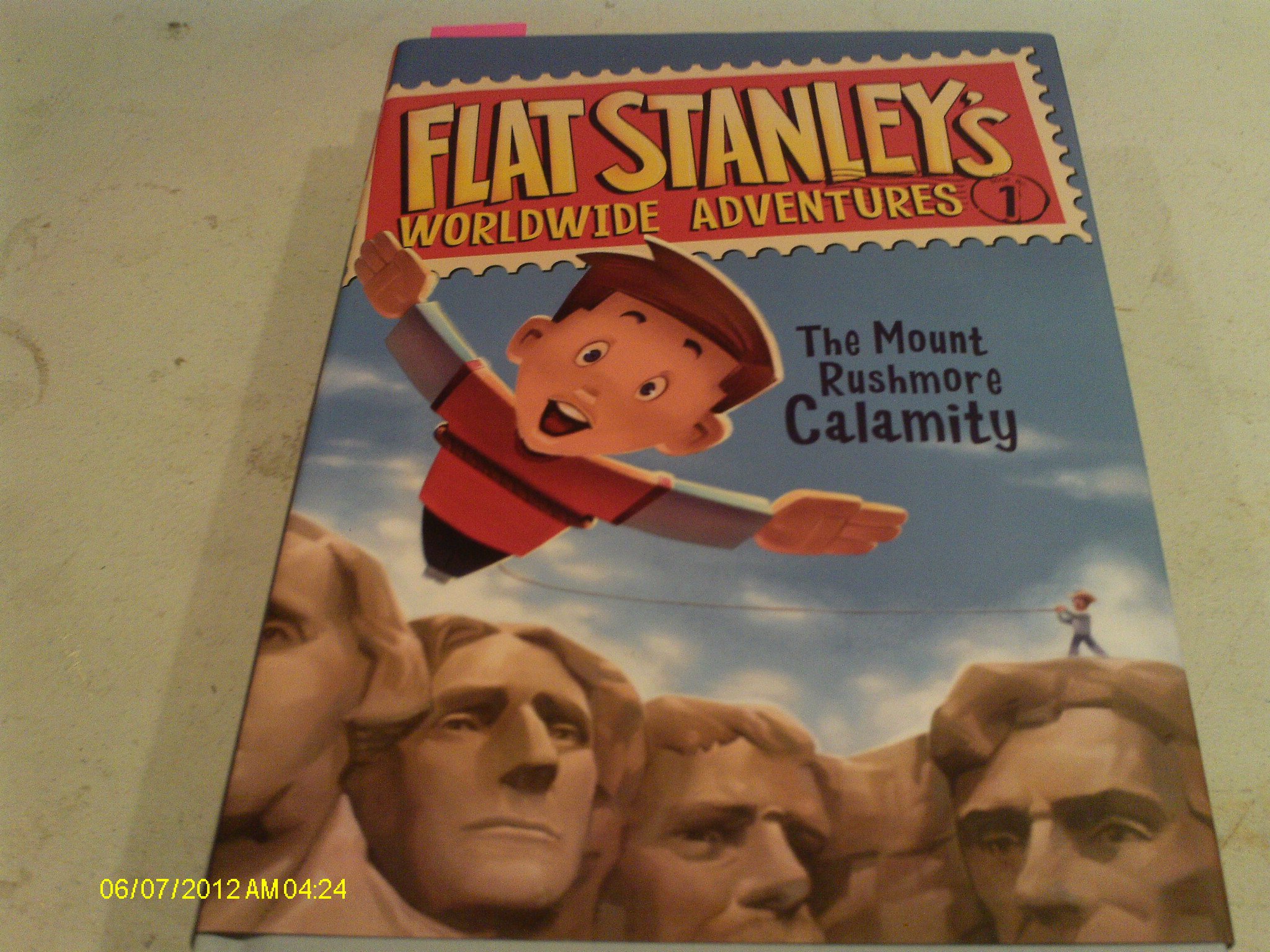
Flat Stanley's Worldwide Adventures #1: ... |
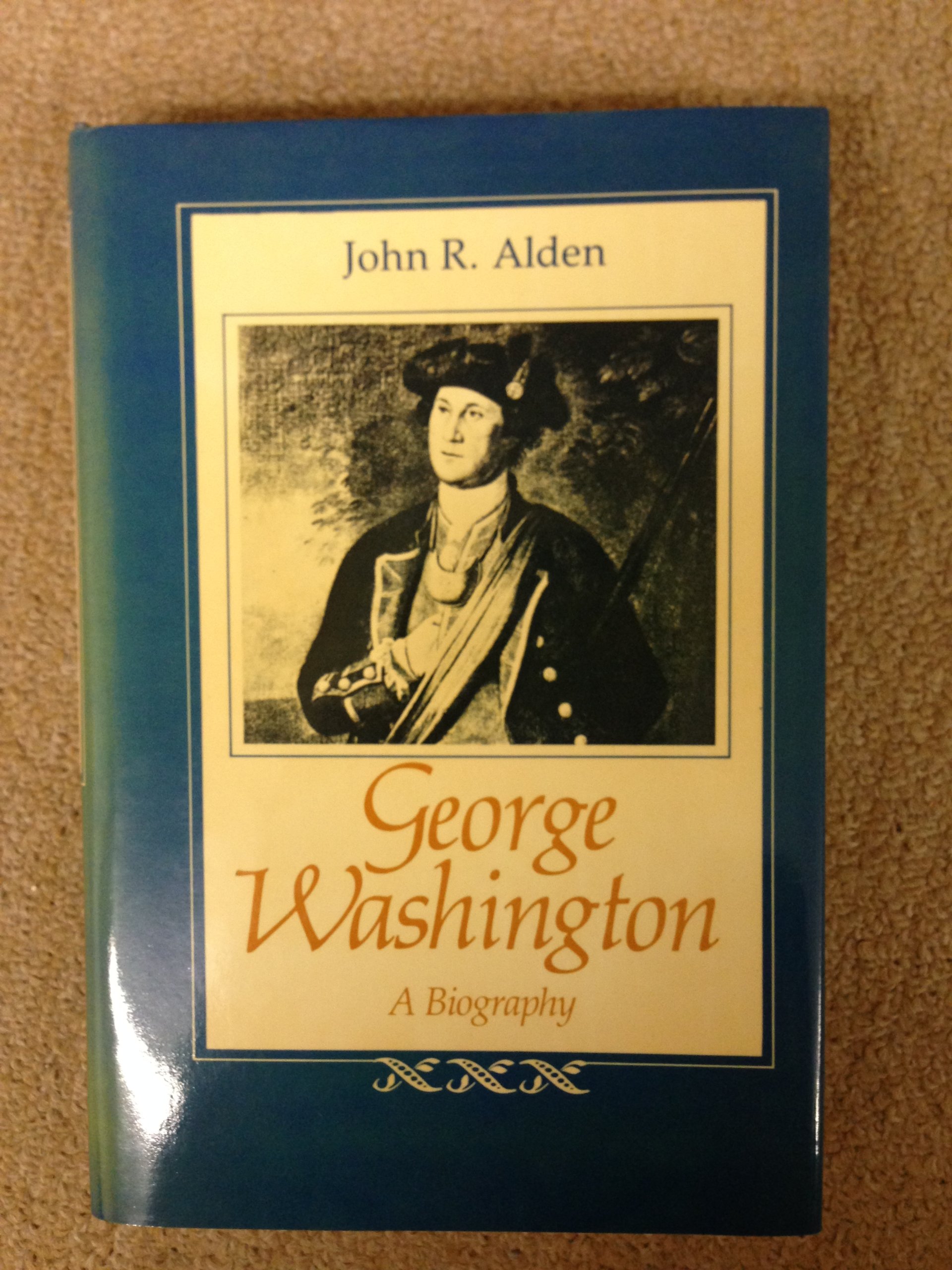
George Washington: A Biography (Southern... |

The Bad Seed Goes to the Library (I Can ... |

Food&Snacks Coloring and Cutting book: 1... |
|
|---|---|---|---|---|
| Price | $15.99 | $37.42 | $4.79 | $7.99 |
| Brand | Jeff Brown | John R. Alden | Jory John | Lyra Lee |
| Merchant | Amazon | Amazon | Amazon | Amazon |
| Availability | In Stock Scarce | In Stock Scarce | In Stock | In Stock |