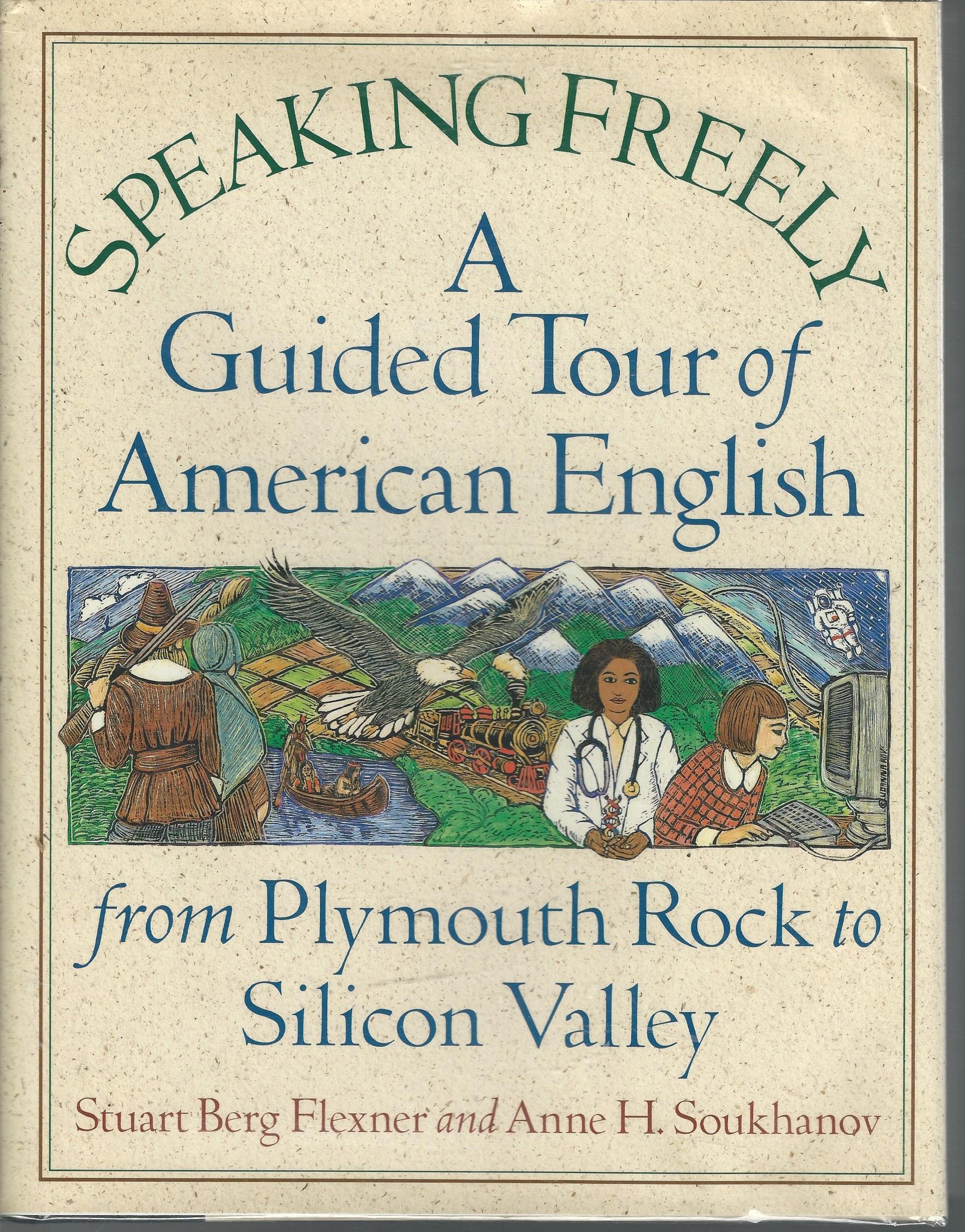
Speaking Freely: A Guided Tour of American English from Plymouth Rock to Silicon Valley
$11.74
| Brand | Stuart Berg Flexner |
| Merchant | Amazon |
| Category | Books |
| Availability | In Stock Scarce |
| SKU | 019510692X |
| Age Group | ADULT |
| Condition | NEW |
| Gender | UNISEX |
| Google Product Category | Media > Books |
| Product Type | Books > Subjects > Reference > Words, Language & Grammar > Etymology |
About this item
Speaking Freely: A Guided Tour of American English from Plymouth Rock to Silicon Valley
How in the world could a loud mouth turn into a trombone and then become a bazooka ? With words, anything is possible, especially if they happen to be American words. The continuous influx of immigrants with their distinctive dialects, the impulse to improvise and experiment, and the relative freedom from rigid social restraints all make America the perfect place for language to percolate, to take on ever-changing shapes and textures and flavors, and to produce an inexhaustible supply of expressive possibilities. In the case of bazooka , we begin with a Dutch word, bazoo , meaning "loud mouth," move to an American comedian, Bob Burns, who called his homemade trombone a bazooka , and end with a U.S. Army Major who saw Burns's act and commandeered the word to name a new anti-tank rocket launcher you could hold on your shoulder. Now, in Speaking Freely , Anne H. Soukhanov, author of the Word Watch column in the Atlantic Monthly and one of America's leading lexicographers, invites us into the irresistible world of words. Drawing on Stuart Berg Flexner's two most popular books-- I Hear America Talking and Listening to America --and adding 40 per cent new material that covers the enormous changes in language over the past twenty years, Soukhanov provides a sweeping look at the richness and astonishing variety of American English. Here we discover not only the origin and history of many of our most delightful words but also the changing cultural conditions that produced them. With chapters on Americanisms, cyberspace, advertising, fighting words, fitness, geography, economics, sex, crime, gender, generation gaps, and many other subjects, Speaking Freely covers the whole spectrum of language in America from the Pilgrims to the present. In the chapter on American's love affair with booze, for instance, we have a rollicking history of all the delectable words we've devised to describe the condition of drunkenness and its insalubrious effects. If, for example, you were to find yourself frequently groggified, half-shaved, full as a fiddler's fart, balmy, owly-eyed, pifflicated, comboozelated, tanglefooted, ossified, petrified, snockered, or wazzocked , you would often suffer the jim-jams , the jitters, the heebie-jeebies , or the screaming meamies the next day, and would eventually come to be seen as an elbow-bender , a guzzler , a rumhead, swiller , or tosspot . Speaking Freely also explains the droves of new expressions entering our vocabularies--the recent concern with ecology giving us such words as biodiversity, ecofriendly , and chloroflurocarbons , and the rise of the personal computer creating a plethora of distinctive terms, from floppy disk, homepage, and hackers to flammage, spam campaigns, barfogenesis, clickstream, cobweb site, cybercreep, and vaporware. Beautifully printed, with over 400 illustrations and a generous offering of quotations from Thomas Jefferson and Mark Twain to Susan B. Anthony, Elizabeth Hardwick, and many others, Speaking Freely takes the lid off the American language and shows us where it is, where it's been, and why it's ours. Language, wrote Ralph Waldo Emerson, is fossil poetry. It is also fossil history, and when we examine the origins of words we learn a great deal about the people who coined and used them. In this fascinating compendium of American English words, lexicographers Stuart Berg Flexner and Anne Soukhanov examine, among other things, the language of prohibition and the Jazz Age, the origins of 19th-century words such as "undertaker" and "blizzard," and the enduring lingo of hippiedom. You'll also learn that the term "abolition" was originally applied to tax resistance against the English crown, and that the first known American folk song concerned a snakebite. YA?An unusual, entertaining, etymological look at American English. The authors have continued and updated the study begun in I Hear America Talking (Van Nostrand Reinhold, 1976; o.p.) and Listening to America (S & S, 1982; o.p.). Although there are fewer topics covered in this work, the format and style are similar to the earlier volumes. Attention-getting chapter titles such as "Cyberspace: I Hear America Clicking," "Communications: From Snail Mail to Email," and "Yo! America Raps" draw browsers into the text. Chapters present an overview that relates the topic to the evolving English language. They include discussions of specific words that came into being as a result of events or cultural changes. Despite the serious subject content, the style is breezy and informal. Arrangement is alphabetical by subject. The index includes most of the words discussed in the text. Numerous black-and-white photographs and quotes from history in sidebars present primary sources that relate to the summaries. An explanation in different type is given if the reason for inclusion is not immediately apparent. A must-purchase wherever the earlier volumes are in demand.?Claudia Moore, W. T.
| Brand | Stuart Berg Flexner |
| Merchant | Amazon |
| Category | Books |
| Availability | In Stock Scarce |
| SKU | 019510692X |
| Age Group | ADULT |
| Condition | NEW |
| Gender | UNISEX |
| Google Product Category | Media > Books |
| Product Type | Books > Subjects > Reference > Words, Language & Grammar > Etymology |
Similar Products






Compare with similar items

Jack Kerouac and Allen Ginsberg: The Let... |

I Fear Death, I'm Afraid of Dying... |
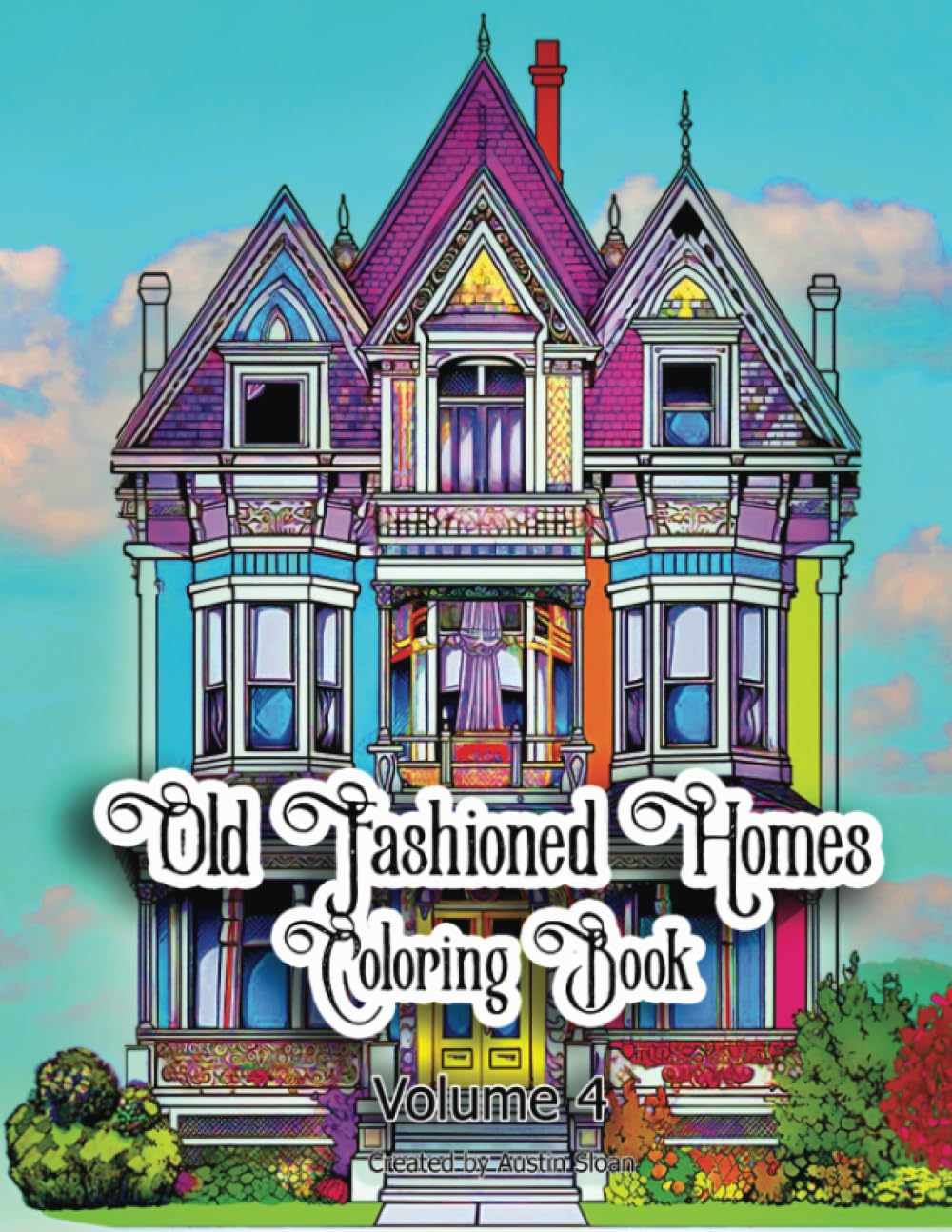
Old Fashioned Homes Coloring Book: Volum... |

DIY SOLAR POWER FOR BEGINNERS: A TECHNIC... |
|
|---|---|---|---|---|
| Price | $22.00 | $9.95 | $7.99 | $19.99 |
| Brand | Jack Kerouac | Billy Grinslott | Austin Sloan | DIY SOURCE |
| Merchant | Amazon | Amazon | Amazon | Amazon |
| Availability | In Stock | In Stock | In Stock | In Stock |