

The Second Book of the Tao
$14.45
| Brand | Stephen Mitchell |
| Merchant | Amazon |
| Category | Books |
| Availability | In Stock |
| SKU | 0143116703 |
| Color | White |
| Age Group | ADULT |
| Condition | NEW |
| Gender | UNISEX |
| Google Product Category | Media > Books |
| Product Type | Books > Subjects > Politics & Social Sciences > Philosophy > History & Schools of Thought > Eastern > Taoism |
About this item
The Second Book of the Tao
"A twenty-first-century form of ancient wisdom . . . Mitchell's flights, his paradoxes, his wonderful riffs are brilliant and liberating." -Pico Iyer The most widely translated book in world literature after the Bible, Lao-tzu's Tao Te Ching , or Book of the Way , is the classic manual on the art of living. Following the phenomenal success of his own version of the Tao Te Ching , renowned scholar and translator Stephen Mitchell has composed the innovative The Second Book of the Tao . Drawn from the work of Lao-tzu's disciple Chuang- tzu and Confucius's grandson Tzu-ssu, The Second Book of the Tao collects the freshest, most profound teachings from these two great students of the Tao to offer Western readers a path into reality that has nothing to do with east or west, but everything to do with truth. With his own illuminating commentary alongside each adaptation, at once explicating and complementing the text, Mitchell makes the ancient teachings at once modern, relevant, and timeless. Listen to a special podcast with Stephen Mitchell: Stephen Mitchell was born in Brooklyn, New York, in 1943, educated at Amherst, the Sorbonne, and Yale, and de-educated through intensive Zen practice. His many books include the bestselling Tao Te Ching, The Gospel According to Jesus, Bhagavad Gita, The Book of Job, Meetings with the Archangel, and Gilgamesh . Mitchell is married to Byron Katie and cowrote two of her bestselling books: Loving What Is and A Thousand Names for Joy . The Dream of a Butterfly Chuang-tzu dreamt that he was a butterfly, fluttering here and there, carefree, unaware of a Chuang-tzu. Then he woke up, and there he was: Chuang-tzu, beyond a doubt. But was he Chuang-tzu who had dreamt that he was a butterfly, or a butterfly now dreaming that he was Chuang-tzu? There must be some difference between Chuang-tzu and a butterfly! This is called "the transformation of things." The most famous dream in human history. You may feel that, as with Zeno's paradoxes, there is something specious going on here, if only you could put your finger on it. But the more closely you examine the story, the more penetrating Chuang-tzu's question becomes. He's the anti-serpent in the garden, tempting you to take one little bite from the Tree of Life. He's Alice's Caterpillar, puffing on his hookah and asking, "Who are you ?" In fact, with time running backward as in a Feynman diagram, Alice's Caterpillar could well have metamorphosed into Chuang-tzu's butterfly, just to prove a point. You may be recalling that psychē the Greek word for "soul," can also mean "butterfly." But let's leave the Greeks out of this. Chuang-tzu is definitely Chinese, he thinks. His butterfly is not a metamorphosis, not a metaphor; it's just a butterfly. Just? How can we know what depths of joy lie hidden within that pinpoint of a brain? The whole world contained in a garden, in a single flower! All time contained in a summer's day, and life one all-embracing multiorgasmic fragrance! And who knows what a butterfly might dream of? Of an ancient Chinese philosopher, perhaps, or of a nineteenth-century Oxford don who was enchanted by little girls. This particular butterfly woke up as Chuang-tzu—or was it Chuang-tzu who woke up as himself? "There he was again, beyond a doubt." Beyond a doubt? Ha! Things change before our very eyes, whether our eyes are open or shut. A butterfly becomes a man, a man becomes a question mark, a question mark becomes a winged creature, carefree, doing whatever it likes. Thus identity melts away, and we are left with something more valuable: a self—a non-self—that includes it all. Cutting Up an Ox Prince Wen-hui's cook, Ting, was cutting up an ox. Every touch of his hand, every ripple of his shoulders, every step of his feet, every thrust of his knees, every cut of his knife, was in perfect harmony, like the dance of the Mulberry Grove, like the chords of the Lynx Head music. "Well done!" said the prince. "How did you gain such skill?" Putting down his knife, Ting said, "I follow the Tao, Your Highness, which goes beyond all skills. When I first began cutting up oxen, all I could see was the ox. After three years, I had learned to look beyond the ox. Nowadays I see with my whole being, not with my eyes. I sense the natural lines, and my knife slides through by itself, never touching a joint, much less a bone. "A good cook changes knives once a year: he cuts. An ordinary cook changes knives once a month: he hacks. This knife of mine has lasted for nineteen years; it has cut up thousands of oxen, but its blade is as sharp as if it were new. Between the joints there are spaces, and the blade has no thickness. Having no thickness, it slips right through; there's more than enough room for it. And when I come to a difficult part, I slow down, I focus my attention, I barely move, the knife finds its way, until suddenly the flesh falls apart on its own. I stand there and let the joy of the work fill me. Then I
| Brand | Stephen Mitchell |
| Merchant | Amazon |
| Category | Books |
| Availability | In Stock |
| SKU | 0143116703 |
| Color | White |
| Age Group | ADULT |
| Condition | NEW |
| Gender | UNISEX |
| Google Product Category | Media > Books |
| Product Type | Books > Subjects > Politics & Social Sciences > Philosophy > History & Schools of Thought > Eastern > Taoism |
Similar Products







Compare with similar items
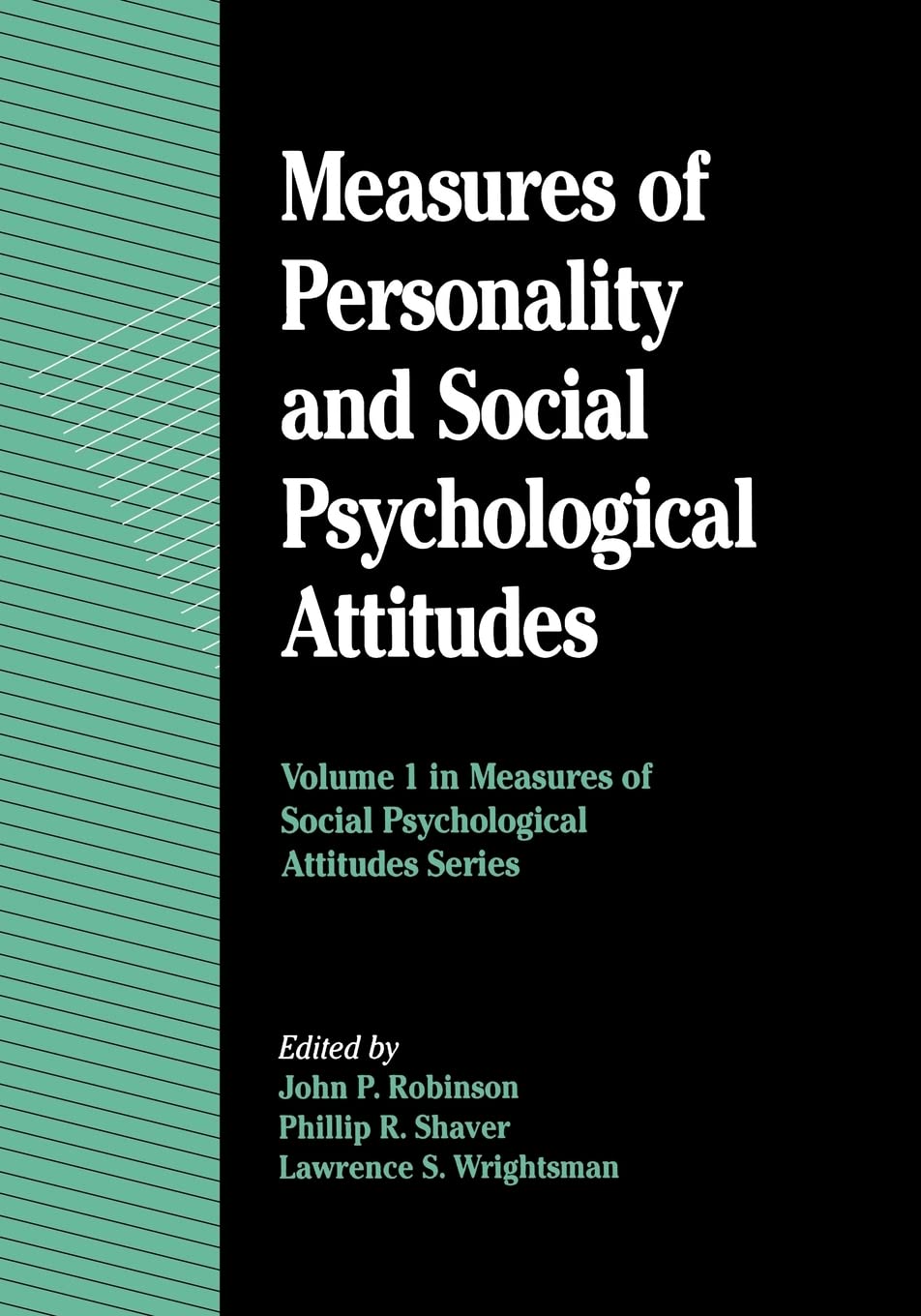
Measures of Personality and Social Psych... |
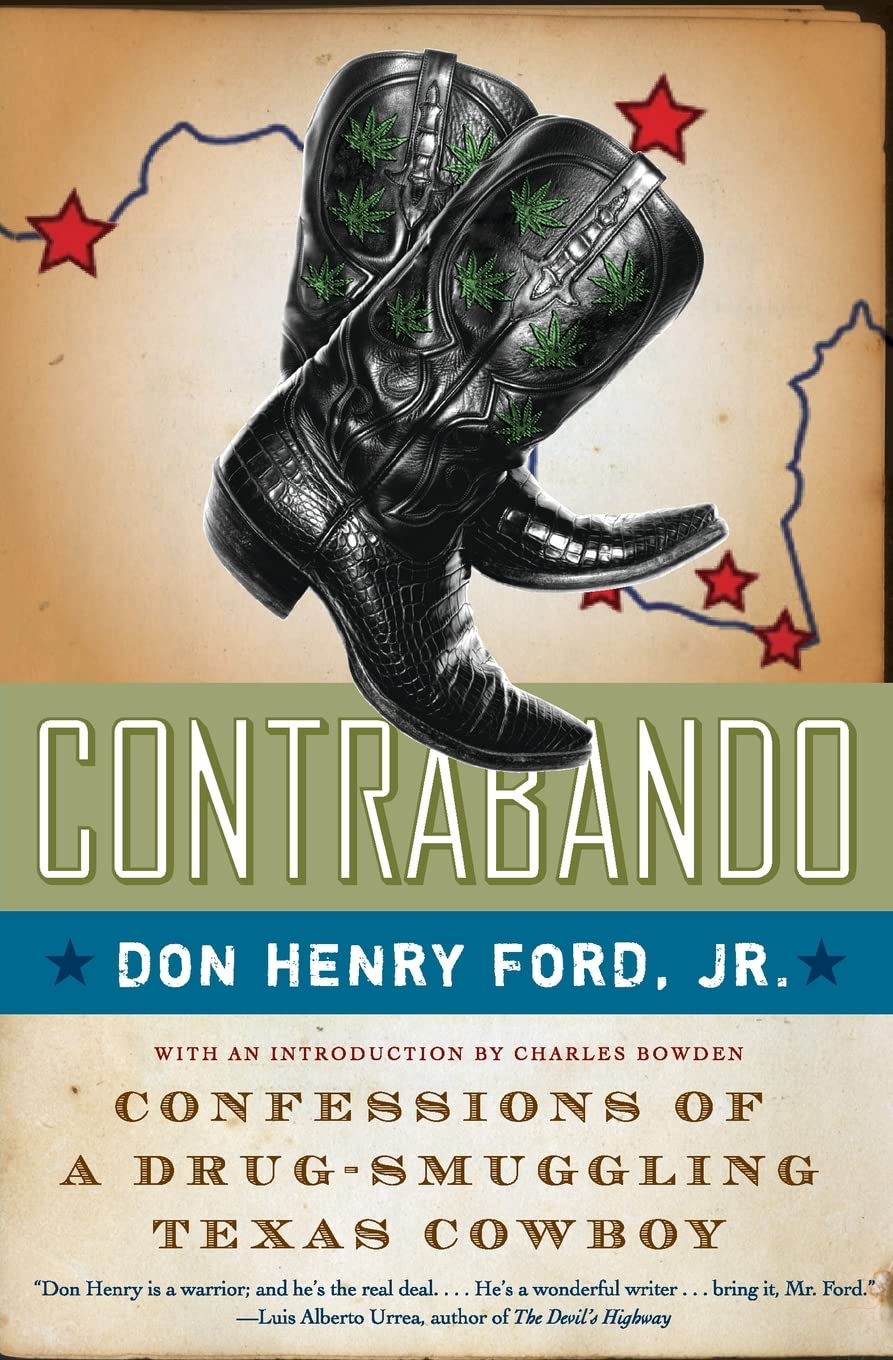
Contrabando: Confessions of a Drug-Smugg... |

Don't Give Up the Ship!: Myths of the Wa... |

Does the Noise in My Head Bother You? CD... |
|
|---|---|---|---|---|
| Price | $64.33 | $11.99 | $24.64 | $9.66 |
| Brand | John Paul Robinson | Don Henry Ford Jr | Donald R. Hickey | Steven Tyler |
| Merchant | Amazon | Amazon | Amazon | Amazon |
| Availability | In Stock Scarce | In Stock Scarce | Available Date | In Stock Scarce |